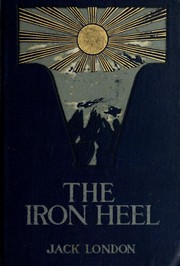
Books Like The Iron Heel
by Jack London
The Iron Heel is a political shock weapon disguised as speculative fiction: Jack London imagines an American future where an entrenched oligarchy — the “Iron Heel” — uses violence, legal manipulation and mass surveillance to crush an emerging labor movement. The novel is structured as a framed “future history,” assembled from revolutionary documents and a recovered manuscript, so its momentum comes from chronology and polemic rather than detective plotting. Its chief features are open, ideological argument, scenes of organized repression, and an insistently prophetic voice that treats class conflict as the engine of historical change.
Readers come to The Iron Heel for different reasons. Some want the brutal, systematic dismantling of democratic institutions and a close look at how repression is rationalized; others are drawn to London's portraits of labor organizing and revolutionary commitment. And many read it as an origin point — one of the earliest American novels to imagine a sustained, mechanized tyranny at home — which is why its tone swings between reportage, manifesto and tragic family chronicle.
Recommended for fans of The Iron Heel
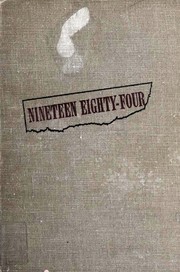
Nineteen Eighty-Four
George Orwell
Bleak totalitarian future, political surveillance, and revolutionary despair echo London's warnings.
Pick this if you want the clearest, most sustained vision of a bureaucratic, surveilling modern tyranny that echoes The Iron Heel’s warnings.
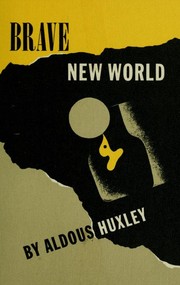
Brave New World
Aldous Huxley
A technocratic, controlled society exploring class, conditioning, and ideological control.
Pick this if you’re interested in a different model of oppression — one that relies on conditioning, consumer pacification and engineered consent rather than overt physical repression.

We
Yevgeny Zamyatin
Early dystopian critique of collectivism and state control with prophetic, satirical tone.
Pick this if you want an earlier, sharper fictional experiment in state control and individual resistance that influenced later dystopias.
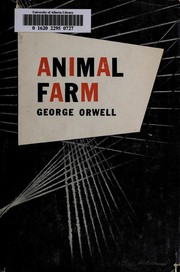
Animal Farm
George Orwell
Allegorical critique of revolution betrayed by new oligarchy and power corruption.
Pick this if you want a short, allegorical meditation on how revolutions can calcify into new hierarchies — a concentrated moral fable rather than extended historical narration.

Darkness at Noon
Arthur Koestler
Philosophical interrogation of revolutionary morality, purge politics, and ideological compromise.
Pick this if you want a wrenching, philosophical exploration of how revolutionary ethics collapse under interrogations, purges and compromise.
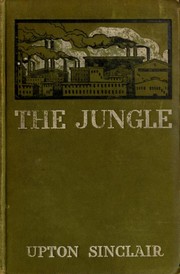
The Jungle
Upton Sinclair
Ruthless depiction of capitalist exploitation and working-class struggle, investigative social critique.
Pick this if you want raw, investigative-style depictions of capitalist abuse and the human cost of unregulated industry — social critique in journalistic clothing.

Looking Backward
Edward Bellamy
Utopian socialist vision and critique of late capitalism, influential political speculation.
Pick this if you want to see the other side of political speculation: a utopian socialist blueprint that helps clarify what The Iron Heel argues is at stake when capitalism is reimagined or defended.
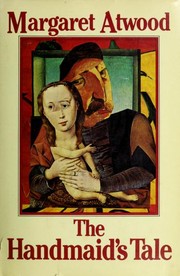
The Handmaid's Tale
Margaret Atwood
Dystopian takeover, loss of rights, and incisive political and gender critique.
Pick this if you want a focused account of state-imposed social control with sharp critiques of gender, law and bodily autonomy — thematically related even though its methods of control differ.
The Grapes of Wrath
John Steinbeck
Epic portrayal of dispossessed workers, solidarity, and critique of systemic injustice.
Pick this if you want a sweeping, realist depiction of dispossessed workers and the social forces that produce mass migration and solidarity — a tonal, historical complement to London’s political urgency.
At a glance
These selections were chosen for how they share The Iron Heel’s central dimensions: a dystopian or politically charged future, an interest in class and power, and a tone that ranges from polemic to literary critique. Match strength reflects how many of those elements a book shares with London’s work.
| Book | First published | Pages | Closest match on | Match |
|---|---|---|---|---|
Nineteen Eighty-Four George Orwell | 1949 | 318 | Systemic totalitarianism | 95% |
Brave New World Aldous Huxley | 1932 | 240 | Technocratic social control | 92% |
We Yevgeny Zamyatin | 1983 | 47 | Early dystopian template | 90% |
Animal Farm George Orwell | 1945 | 128 | Allegory of revolution | 88% |
Darkness at Noon Arthur Koestler | 1941 | 216 | Philosophical interrogation of ideology | 86% |
The Jungle Upton Sinclair | 1791 | 350 | Industrial exploitation exposé | 84% |
Looking Backward Edward Bellamy | 1888 | 276 | Utopian socialist contrast | 83% |
The Handmaid's Tale Margaret Atwood | 1985 | 352 | Gendered dystopian takeover | 80% |
The Grapes of Wrath John Steinbeck | 1939 | 544 | Epic working-class portrait | 79% |
About The Iron Heel
First published in 1908, The Iron Heel is Jack London’s extended dystopian essay on oligarchy and class warfare. It pioneered the ‘future-history’ frame in American fiction and directly influenced later 20th‑century dystopias and political novels.
Frequently asked questions
What should I read after The Iron Heel?+
If you want more bleak, systemic dystopia, Nineteen Eighty-Four and Brave New World are the closest thematic successors. For a compact, early critique of collectivist conformity, try We; for allegorical takes on revolution’s corruption, look to Animal Farm.
Is The Iron Heel a socialist or an anti-socialist book?+
London wrote The Iron Heel from a socialist perspective: it dramatizes capitalist concentration of power and treats organized labor as a necessary counterforce. If you want more interrogation of revolutionary ethics and the compromises of political movements, Darkness at Noon explores that terrain from the inside.
Are there nonfiction accounts related to The Iron Heel’s themes?+
While this list is fiction, several entries examine the same social dynamics in different modes: The Jungle offers investigative, muckraking exposure of capitalist exploitation, whereas The Grapes of Wrath delivers an epic, realist portrait of dispossession and solidarity.
Which other Jack London works should I read next?+
If you want more of London’s political energy and naturalist voice, his essays and short fiction collect extended commentary on labor and society; for adventurous storytelling from the same author, look to his maritime and wilderness fictions.
More books by Jack London
See all 15 Jack London guides →Want recommendations based on your own favorites?
BookTwin can match you to books by mood, pacing, themes, and emotional payoff — based on 1 to 5 books you tell it you loved.
Try BookTwin