
Books Like The Scarlet Plague
by Jack London
The Scarlet Plague is a spare, almost elemental take on apocalypse fiction: Jack London stages societal collapse through a single catastrophic disease and then listens to what remains. The novella compresses the unraveling into stark scenes of panic and flight, then shifts to long-term aftermath—how memory, language and hierarchy erode when institutions vanish. London writes in plain, muscular sentences and keeps the focus tight: one narrator, a handful of survivors, and the slow, often bitter reckoning that follows.
Readers come to The Scarlet Plague for different reasons. Some want the original fever-dream of a pandemic that strips modern life to basics; others gravitate to the frame-device—the elder recounting history to younger, ignorant generations—and how that shapes myth and truth. If you were pulled in by the book’s brisk moral judgments, its melancholic view of progress, or its interest in what civilization actually contributes to human behavior, the selections below are organized so you can pick by that particular interest rather than by genre alone.
Recommended for fans of The Scarlet Plague
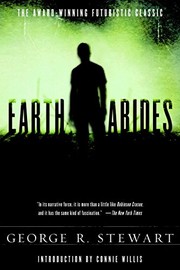
Earth Abides
George R. Stewart
Quiet, reflective post-plague survival and rebuilding with generational perspective.
Pick this if you want a slow, generational view of survival and how new societies form from the ruins — this is the closest tonal and structural match.
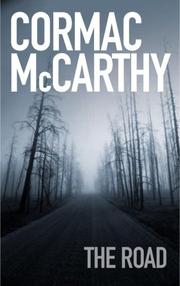
The Road
Cormac McCarthy
Bleak, spare prose following a father-son survival journey after societal collapse.
Pick this if you were drawn to London’s stark, mournful tone and bare prose; pick this for a spare father-child survival odyssey that emphasizes existential peril.
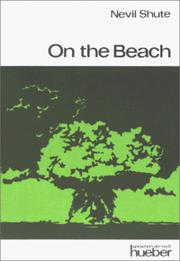
On the Beach
Nevil Shute
Calm, mournful depiction of humanity awaiting extinction after global catastrophe.
Pick this if it was the book’s quiet, elegiac treatment of large‑scale loss that stayed with you; this one contemplates humanity awaiting an inevitable end rather than active survival.
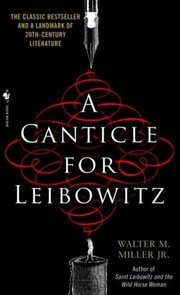
A Canticle for Leibowitz
Walter M. Miller Jr.
Monastic preservation of knowledge across cycles of collapse and renewal.
Pick this if you want a meditation on how knowledge and religion survive—or fail—across centuries after collapse; it shares London’s interest in memory but on a far broader, more institutional scale.
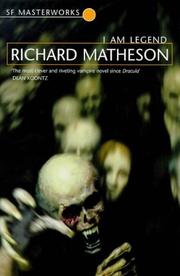
I Am Legend
Richard Matheson
Solitary narrator facing transformed society and existential dread after plague.
Pick this if you responded to London’s focus on personal isolation and existential menace; this shares the solitary, haunted protagonist facing a world transformed.
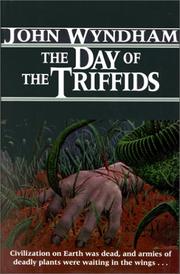
The Day of the Triffids
John Wyndham
Post-collapse Britain, survival challenges, and social order unraveling.
Pick this if you liked brisk narrative voice and a sardonic take on peril; this is a tone match in places but a looser fit on the specific disease/collapse mechanics.
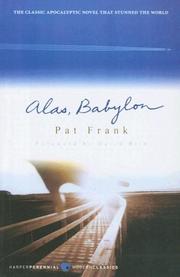
Alas, Babylon
Pat Frank
Small-town survival and community resilience after a sudden societal breakdown.
Pick this if you appreciated The Scarlet Plague’s look at community bonds under stress; pick this for an American small‑town survival story that emphasizes practical cohesion.

Blindness
José Saramago
Allegorical, harrowing collapse of social norms under an epidemic of blindness.
Pick this if you were intrigued by London’s use of epidemic as social allegory; this is a harsher, more explicitly allegorical take on how norms collapse under contagion.
The Dog Stars
Peter Heller
Lyric post-pandemic survival tale with loneliness, small hopes, and vivid landscape.
Pick this if you want the elegiac loneliness and vivid landscape writing more than strict plot similarity — this is the loosest fit here, useful if you liked the novella’s meditative passages.
At a glance
These matches were chosen primarily for their shared concerns with pandemic or collapse mechanics, the tone of aftermath and memory, and the narrator’s stance toward civilization. Percentages reflect how many of those dimensions each book shares with London’s novella.
| Book | First published | Pages | Closest match on | Match |
|---|---|---|---|---|
Earth Abides George R. Stewart | 1949 | 368 | Reflection on rebuilding | 92% |
The Road Cormac McCarthy | 2006 | 256 | Bleak familial journey | 90% |
On the Beach Nevil Shute | 1957 | 292 | Calm resignation to extinction | 86% |
A Canticle for Leibowitz Walter M. Miller Jr. | 1959 | 320 | Cycles of knowledge loss | 84% |
I Am Legend Richard Matheson | 1954 | 192 | Solitary narrator & dread | 82% |
The Day of the Triffids John Wyndham | 1951 | 270 | Adventure with dark comedy | 80% |
Alas, Babylon Pat Frank | 1959 | 312 | Small‑group resilience | 78% |
Blindness José Saramago | 1999 | — | Allegory of societal breakdown | 76% |
The Dog Stars Peter Heller | 2012 | 327 | Lyric post‑pandemic introspection | 74% |
About The Scarlet Plague
First published in 1912, The Scarlet Plague is Jack London’s short novel about a lethal pandemic that collapses modern society and the decades that follow. London frames the catastrophe as an elder’s oral account to his grandchildren, using the catastrophe to question industrial modernity, class, and human resilience. The story has been influential as an early example of pandemic and post-apocalyptic fiction.
Frequently asked questions
Is The Scarlet Plague the first pandemic novel?+
It’s one of the early, influential short novels to treat a global disease as an agent of societal collapse, and it pre-dates many mid‑20th century and later pandemic fictions. Jack London’s blunt, social‑critical approach helped establish themes other authors later developed.
Which of these books is closest in mood to The Scarlet Plague?+
Earth Abides is the closest match in mood and long-term reflection on rebuilding society; The Road shares the bleak familial wander and spare prose, while On the Beach echoes the mournful resignation to large‑scale loss.
Are there Jack London books that explore similar themes?+
London’s fiction often tests humans against elemental forces; while not post‑apocalyptic, works like The Call of the Wild and White Fang examine how environment reshapes behavior, which resonates with The Scarlet Plague’s focus on civilization versus nature.
Do any of these picks offer a more hopeful view of recovery?+
Yes. Earth Abides examines community formation and generational continuity in a way that spends more time on rebuilding than London’s novella does. The Dog Stars also finds small, tender hopes amid ruin, though it’s a looser tonal match.
More books by Jack London
See all 15 Jack London guides →Want recommendations based on your own favorites?
BookTwin can match you to books by mood, pacing, themes, and emotional payoff — based on 1 to 5 books you tell it you loved.
Try BookTwin