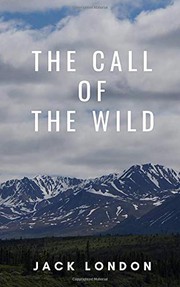
Books Like The Call of the Wild
by Jack London
The Call of the Wild centers on a single escalator of change: Buck, a domesticated dog, is ripped from California comfort and forced to relearn the rules of survival in the Yukon. Jack London compresses this transformation into muscular, economical scenes — dogfights, sled hardship, and the growing pull of instinct — and the prose alternates between hard naturalism and moments of mythic reverie as Buck moves from pet to primordial leader.
Readers come to The Call of the Wild for very different reasons. Some want the elemental survival storyline and unflinching depiction of cruelty and endurance. Others are drawn to the animal point of view and the way London renders psychological change without sentimentality. Still others read it as a philosophical fable about freedom, leadership and the limits of civilization. The picks below are grouped by which of those strands they share with London’s novella: closest tonal and thematic echoes (including other works by London), expedition-style man‑vs‑nature intensity, and looser emotional or animal-focused affinities.
Recommended for fans of The Call of the Wild
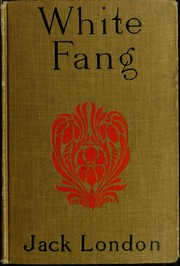
White Fang
Jack London
Wild-dog perspective and harsh Yukon survival echo Call of the Wild's tone.
Pick this if you want another novel that studies a canine’s psychological arc from domesticity to primal survival — this is the closest, truest match.

The Sea-Wolf
Jack London
Brutal naturalism and philosophical struggle aboard a violent sea setting.
Pick this if you liked London’s tough, Darwinian treatment of character under pressure and want the same intensity aboard a violent ship where human wills clash.
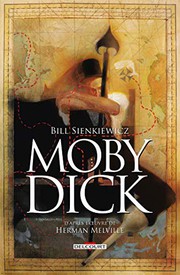
Moby-Dick
Herman Melville
Epic man-versus-nature obsession and vivid maritime natural descriptions.
Pick this if you appreciated the epic, obsessive tone of struggle against nature; note this is a maritime, human-focused epic rather than an animal POV story.

The Last of the Mohicans
James Fenimore Cooper
Frontier wilderness adventure and tense survival in wild landscapes.
Pick this if you want extended wilderness adventure and tense survival on the frontier; expect a longer, more human-centered historical romance than London’s stark fable.

Hatchet
Gary Paulsen
Intense solo survival in the wild with stark, immediate prose.
Pick this if it was the immediate, stripped-down survival against elemental forces that gripped you — this is modern-Young-Adult in voice but shares the barebones survival focus.
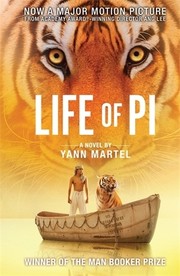
Life of Pi
Yann Martel
Spiritual, animal-focused survival at sea with lyrical natural imagery.
Pick this if you enjoyed the lyrical, almost spiritual passages in London’s naturalism; this book shares animal-focused survival and contemplative imagery, though it’s more allegorical.
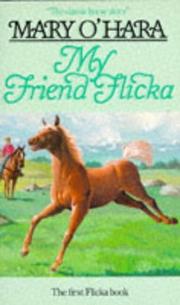
My Friend Flicka
Mary O'Hara
Tender but rugged bond between human and animal on the frontier.
Pick this if you want a gentler frontier bond between human and animal. This is more tender and domestic than London’s harsher view, so it’s a softer emotional match.
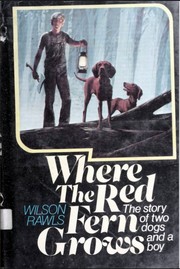
Where the Red Fern Grows
Wilson Rawls
Emotional dog-centric tale of hunting, loyalty, and rural survival.
Pick this if you’re after an emotional, dog-centric tale about hunting, loyalty and growing up in a rural setting; it’s more sentimental than London’s work, so consider it a looser fit.
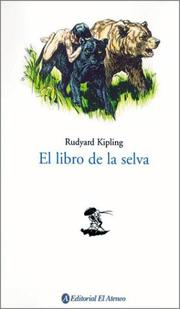
The Jungle Book
Rudyard Kipling
Animal-led wilderness stories blending survival lessons and moral themes.
Pick this if you liked the idea of animals teaching moral lessons in the wild; this shares that framework but is a collection of varied animal stories rather than London’s concentrated novella.
At a glance
Matches emphasize three dimensions of The Call of the Wild: animal-centered perspective and psychological transformation; brutal naturalism and survival pressure; and frontier/maritime settings where humans and animals collide. Percentages reflect overlap across those dimensions.
| Book | First published | Pages | Closest match on | Match |
|---|---|---|---|---|
White Fang Jack London | 1905 | 237 | Animal‑centered transformation | 95% |
The Sea-Wolf Jack London | 1900 | 321 | Brutal naturalism & philosophy | 85% |
Moby-Dick Herman Melville | 1851 | 452 | Man-versus-nature obsession | 80% |
The Last of the Mohicans James Fenimore Cooper | 1826 | 418 | Frontier survival scenes | 78% |
Hatchet Gary Paulsen | 1986 | 192 | Solo survival intensity | 76% |
Life of Pi Yann Martel | 2000 | 349 | Spiritual animal survival | 74% |
My Friend Flicka Mary O'Hara | 1941 | 318 | Human‑animal bond | 70% |
Where the Red Fern Grows Wilson Rawls | 1961 | 249 | Emotional dog narrative | 68% |
The Jungle Book Rudyard Kipling | 1893 | 192 | Animal-led survival tales | 66% |
About The Call of the Wild
Jack London’s The Call of the Wild was published in 1903 and emerged from his experiences and reporting around the Klondike Gold Rush of the late 1890s. The novella quickly became one of his best-known works and helped define early 20th‑century American naturalist fiction.
Frequently asked questions
What should I read after The Call of the Wild?+
Start with White Fang if you want another animal-centered study by Jack London; it reverses Buck’s arc by tracing a wild canine moving toward domesticity. For a harsher human-dominated naturalism, try The Sea-Wolf.
Are there other Jack London books that feel like The Call of the Wild?+
Yes. White Fang shares the closest thematic and stylistic DNA. The Sea-Wolf keeps London’s elemental brutality but relocates it to a violent shipboard setting and a philosophical clash between men.
Is The Call of the Wild based on real events?+
Not a single true story, but London drew on real conditions from the Klondike Gold Rush and contemporary accounts of sled-dog life. White Fang and The Sea-Wolf also take material from London’s travels and reporting.
Which picks focus most on animal perspective rather than human survival?+
White Fang is the clearest match for animal POV. Where the Red Fern Grows and My Friend Flicka are more sentimental and human-centered in their animal relationships.
More books by Jack London
See all 15 Jack London guides →Want recommendations based on your own favorites?
BookTwin can match you to books by mood, pacing, themes, and emotional payoff — based on 1 to 5 books you tell it you loved.
Try BookTwin