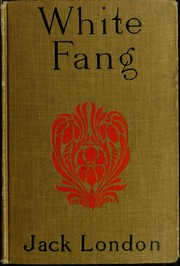
Books Like White Fang
by Jack London
White Fang tracks a wild creature’s slow, sometimes brutal passage from the lonesome North into human society. Told from a close third-person that privileges a canine point of view, the novel maps instinct, territory and fight-or-flight calculus as clearly as any character arc: fights, hunger, pack dynamics and the raw mathematics of survival alternate with scenes of taming, training and the bewildering gestures of human affection. London balances vivid natural detail of the Yukon and Klondike with an almost anthropological look at how environment shapes behavior.
Readers come back to White Fang for different reasons. Some want the animal-centered perspective — the book thinks like a wolf-dog. Others want the moral dialectic of nature versus nurture and the wrenching scenes of cruelty and kindness that test the protagonist. Still others read it as frontier fiction: harsh landscape, scarce resources, and a social world where brutality and compassion are twin currencies. The nine picks below point to those strands individually — some are close tonal or thematic cousins, others are looser mood or structural matches — with a note on what each shares with London’s novel.
Recommended for fans of White Fang
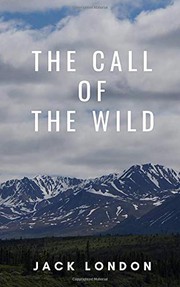
The Call of the Wild
Jack London
Also follows a dog's primal survival and bond with humans in the harsh North.
Pick this if you want the closest possible match: White Fang’s perspective on survival, human cruelty and eventual taming is mirrored scene-for-scene in The Call of the Wild (though with the reverse arc).

The Incredible Journey
Sheila Burnford
Animal protagonists traversing wild landscapes driven by loyalty and survival instincts.
Pick this if you loved animal protagonists navigating hazards and relying on loyalty and instinct. This is closer in spirit than in style — a gentler, clearly child-friendly journey compared with London’s harsher realism.
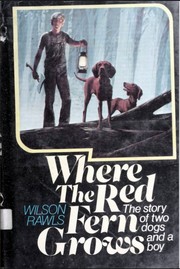
Where the Red Fern Grows
Wilson Rawls
Emotional boy-and-dogs story set in rural wilderness with themes of loyalty and loss.
Pick this if it was the emotional stakes of a human–dog relationship that mattered most. Expect a more sentimental, coming-of-age rural tale here; thematically aligned on loyalty and grief rather than wilderness ferocity.

Hatchet
Gary Paulsen
Solo wilderness survival story with coming-of-age emotional clarity and nature focus.
Pick this if it was the stripped-down survival logic and coming-of-age clarity that appealed to you. Hatchet is human-centered and modern, but it shares White Fang’s economy and focus on adaptation to environment.
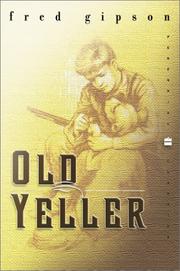
Old Yeller
Fred Gipson
Powerful frontier tale of a boy's fierce bond with a dog and hard choices.
Pick this if you responded to White Fang’s emotional intensity around a boy/dog bond and the moral costs that come with frontier life. This is a closely aligned emotional match, though centered on human experience rather than an animal’s interiority.

Island of the Blue Dolphins
Scott O'Dell
Solitary survival against nature, deep bond with animals and quiet resilience.
Pick this if you wanted quiet, solitary endurance against nature and a deep bond with an animal companion. This novel is human-centered but matches White Fang’s tone of endurance and inner resourcefulness.

The Sea-Wolf
Jack London
Rugged, philosophical maritime adventure exploring survival and human ferocity.
Pick this if you appreciated London’s blunt moral thinking and want it transposed to a claustrophobic maritime setting. This is less about animals and more about human brutality and survival under pressure.
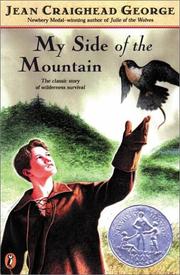
My Side of the Mountain
Jean Craighead George
Youthful self-reliance in the woods, strong animal companionship and nature detail.
Pick this if you wanted a youth-focused meditation on living with and learning from the land. It shares White Fang’s interest in practical survival and animal companionship but from a human adolescent’s viewpoint.
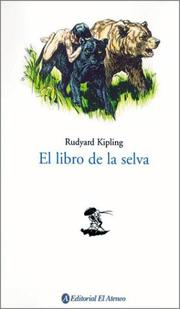
The Jungle Book
Rudyard Kipling
Animal-centered tales about survival, instincts, and the law of the wild.
Pick this if you liked stories that take animal instincts and social rules seriously. This is a looser fit thematically — Kipling frames animals in fable and myth rather than London’s naturalist register.
At a glance
Matches are chosen on four dimensions central to White Fang: an animal-centered viewpoint or sympathetic animal protagonist; survivalist, frontier natural detail; the ethical axis of cruelty versus domestication (nature vs. nurture); and compact, often episodic plotting driven by hardship and behavioral change.
| Book | First published | Pages | Closest match on | Match |
|---|---|---|---|---|
The Call of the Wild Jack London | 1903 | 128 | Animal POV & domestication | 98% |
The Incredible Journey Sheila Burnford | 1960 | 145 | Loyalty-driven animal trek | 89% |
Where the Red Fern Grows Wilson Rawls | 1961 | 249 | Rural loyalty & loss | 84% |
Hatchet Gary Paulsen | 1986 | 192 | Solo survival clarity | 82% |
Old Yeller Fred Gipson | 1920 | 181 | Frontier bond & hard choices | 81% |
Island of the Blue Dolphins Scott O'Dell | 1960 | 184 | Solitary resilience & animal bonds | 80% |
The Sea-Wolf Jack London | 1900 | 321 | Philosophical toughness at sea | 78% |
My Side of the Mountain Jean Craighead George | 1959 | 177 | Youthful self-reliance & nature detail | 76% |
The Jungle Book Rudyard Kipling | 1893 | 192 | Anthropomorphic animal tales | 75% |
About White Fang
White Fang was published in 1906 and grew from Jack London’s experiences and reporting in Alaska and the Yukon during the Klondike era. The novel is often paired with London’s other animal-focused fable, The Call of the Wild, and helped cement his reputation as a chronicler of naturalist frontier life.
Frequently asked questions
Is White Fang a sequel to The Call of the Wild?+
No. White Fang and The Call of the Wild are companion works by Jack London that explore opposite arcs: Call of the Wild follows a domesticated dog reverting to the wild, while White Fang follows a wild animal moving toward domestic life. They share themes and setting but are separate stories.
If I liked the animal perspective in White Fang, what should I read next?+
The most direct follow-up is The Call of the Wild by Jack London, which shares the same northern setting and close attention to animal sensibility. For animal-protagonist adventures in different registers, The Incredible Journey is another strong choice from the list.
Does White Fang romanticize the wilderness?+
No. London writes a naturalist, often unsparing depiction: the wilderness is neither benevolent nor malevolent but a set of material pressures that select for strength, cunning and adaptability. The book also deliberately shows how human cruelty and care reshape animal behavior.
Are these recommendations similar in tone or just theme?+
Some picks mirror tone and perspective closely (e.g., The Call of the Wild, The Incredible Journey), while others share theme or setting more loosely (e.g., The Sea-Wolf for philosophical toughness, or Where the Red Fern Grows for rural loyalty and loss). Each pick note explains the nature of the match.
Which picks are best for younger readers?+
Several of the animal-centered titles here — The Incredible Journey, Old Yeller and Island of the Blue Dolphins — are commonly assigned or marketed to younger readers, though some contain violent or emotional scenes. Use parental guidance for sensitive themes like animal fights or death.
More books by Jack London
See all 15 Jack London guides →Want recommendations based on your own favorites?
BookTwin can match you to books by mood, pacing, themes, and emotional payoff — based on 1 to 5 books you tell it you loved.
Try BookTwin