
Books Like To Build a Fire
by Jack London
To Build a Fire is distilled survival: a short, unsparing narrative that compresses time, environment and consequence into a single relentless arc. Jack London strips language down to sensory fact — cold as a constantly recurring antagonist, the man's decisions measured against simple physical laws — and lets the landscape adjudicate right and wrong. The result is not plot-heavy so much as inevitability-heavy; the story's tension comes from process and cause-and-effect rather than melodrama.
If you loved To Build a Fire, you may have responded to different and specific things: the utter clarity of naturalism and its moral indifference; the spare, unsentimental prose that makes each small action feel consequential; or the sheer physical immediacy of being alone in extreme cold. The nine books below are grouped by which of those elements they share — from other Jack London works that treat animal instinct and environment as central forces, to later writers and nonfiction that echo the story’s austerity and fatal logic.
Recommended for fans of To Build a Fire
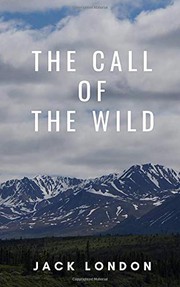
The Call of the Wild
Jack London
Primal struggle against a harsh northern wilderness, raw naturalism and survival instincts.
Pick this if you want more of London's moral landscape: human action judged by indifferent nature, with prose that treats survival as elemental and uncompromising.
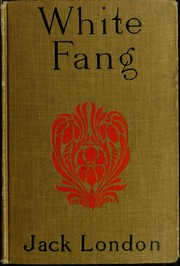
White Fang
Jack London
Animal perspective in brutal northern environments, themes of adaptation and instinct.
Pick this if you appreciated nature’s shaping of behavior; this book shifts the focus to animal perspective and adaptation under the same harsh northern conditions.
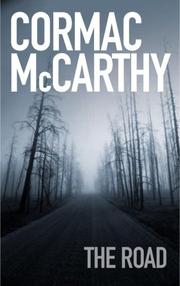
The Road
Cormac McCarthy
Spare, bleak prose about survival, isolation, and human endurance in a hostile world.
Pick this if it was the minimalist, fatalistic voice that gripped you. McCarthy extends that austerity to a post-apocalyptic father–son journey rather than an arctic one.
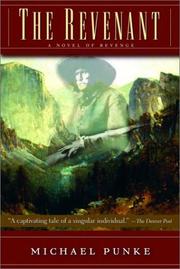
The Revenant
Michael Punke
Grim, visceral frontier survival and revenge in brutal, snowy landscapes.
Pick this if you wanted a longer, more brutal frontier survival with visceral physical detail and the sense that the landscape enforces its own brutal code.

Into the Wild
Jon Krakauer
True-life tale of solitude and the lure—and peril—of living close to nature.
Pick this if you were drawn to the psychological pull of solitude and the danger of romanticizing nature. This nonfiction investigation follows a real life that ends tragically for related reasons.
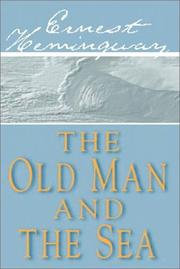
The Old Man and the Sea
Ernest Hemingway
Stoic man-versus-nature struggle, lean prose, quiet existential payoff.
Pick this if you valued an intimate, almost allegorical struggle against elements; this offers a compact, meditative man-vs-sea story with the same lean economy of language.

Hatchet
Gary Paulsen
Intense, immediate wilderness survival with crisp pacing and personal growth.
Pick this if you wanted an intense, hands‑on survival narrative aimed at a young reader — similar immediacy and practical problem-solving in the wild.

Into Thin Air
Jon Krakauer
High-altitude survival disaster, concise reporting with human endurance themes.
Pick this if you were interested in the mechanics of survival and how small errors cascade into catastrophe; this is a journalistic account of a high-altitude disaster rather than arctic hypothermia.
Arctic Dreams
Barry Lopez
Lyrical natural history exploring Arctic landscapes, harsh beauty, and human fragility.
Pick this if you wanted a more reflective, lyrical exploration of Arctic landscapes and human fragility; note that this is more meditative and less plot-driven than London's short story.
At a glance
Matches were chosen for three core dimensions of this story: stark naturalism (environment as antagonist), spare, cause-driven prose, and extreme isolation/survival. Each pick shares at least one of those elements; some match more than one.
| Book | First published | Pages | Closest match on | Match |
|---|---|---|---|---|
The Call of the Wild Jack London | 1903 | 128 | Primal naturalism | 95% |
White Fang Jack London | 1905 | 237 | Instinct & adaptation | 90% |
The Road Cormac McCarthy | 2006 | 256 | Spare, bleak prose | 85% |
The Revenant Michael Punke | 2002 | 272 | Visceral frontier survival | 84% |
Into the Wild Jon Krakauer | 1996 | 284 | True-life wilderness lure | 82% |
The Old Man and the Sea Ernest Hemingway | 1952 | 132 | Stoic man versus nature | 80% |
Hatchet Gary Paulsen | 1986 | 192 | Immediate survival action | 78% |
Into Thin Air Jon Krakauer | 1996 | 335 | Disaster in extreme environments | 75% |
Arctic Dreams Barry Lopez | 1986 | 464 | Lyrical Arctic portrait | 70% |
About To Build a Fire
"To Build a Fire" first appeared in 1908 and is one of Jack London's signature short stories, often cited as a landmark of American naturalism. Set in the Yukon, it focuses on a man's attempt to survive an arctic odyssey and exemplifies London's interest in environment as an impersonal judge of human action.
Frequently asked questions
Is To Build a Fire based on a true story?+
No — it is a work of fiction, though Jack London drew on his own Klondike experiences and the real dangers of subarctic travel to create a convincing, realistic scenario.
Which other Jack London stories feel most like To Build a Fire?+
The Call of the Wild and White Fang are the closest parallels: both foreground the brutal laws of nature, animal or human responses driven by instinct, and a similar unsentimental naturalist viewpoint.
I liked the bleak, minimalist prose. What modern book matches that tone?+
Cormac McCarthy's The Road shares the same spare, bleak style and an unflinching focus on survival and human endurance in a hostile world.
Are there nonfiction accounts that capture the same lure and peril of wilderness?+
Yes. Into the Wild and Into Thin Air are both nonfiction works here that probe why people head into extreme environments and what can go wrong when nature's rules are misread.
More books by Jack London
See all 15 Jack London guides →Want recommendations based on your own favorites?
BookTwin can match you to books by mood, pacing, themes, and emotional payoff — based on 1 to 5 books you tell it you loved.
Try BookTwin