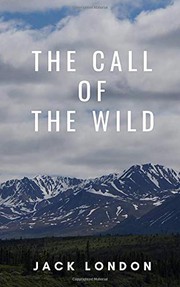
Authors Like Jack London
Jack London turned his own restless, dangerous life into some of the most propulsive adventure fiction ever written. The Call of the Wild, White Fang, The Sea-Wolf — his stories throw men and animals into brutal contests with nature, the Klondike, and the sea, driven by a naturalist's conviction that survival is the oldest law. The prose is vigorous and direct, and beneath the adventure runs a hard-edged interest in strength, instinct, and social struggle.
So "authors like Jack London" can mean a few things. Do you want more of the wilderness-and-survival story — man or beast against an indifferent nature? The seafaring adventure? Or the naturalist's philosophy of the primal and the struggle to endure? The authors below are ranked by how closely they capture those qualities, from London's own contemporaries in the wild to the modern writers still chasing the same frontier.
Authors to read if you love Jack London
James Oliver Curwood
90%Start with The Grizzly King (1916)
London's closest contemporary. Curwood wrote the same northern wilderness — bears, wolves, and men in the Canadian wild — with the same blend of animal perspective and rugged adventure. The Grizzly King (which inspired the film The Bear) is the nearest thing to more Call of the Wild.
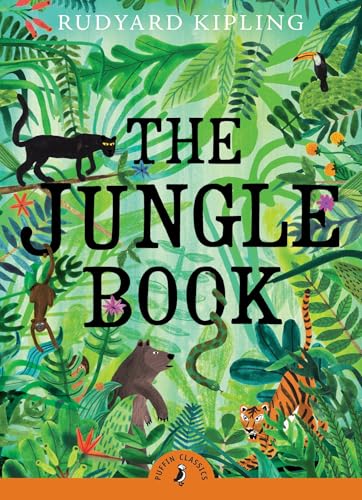
Rudyard Kipling
89%Start with The Jungle Book (1894)
The writer London most admired. Kipling's law of the jungle — Mowgli raised among wolves, the animal world governed by primal rules — is the direct ancestor of London's wild, where instinct and survival write the code.
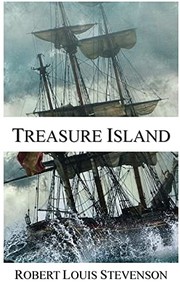
Robert Louis Stevenson
88%Start with Treasure Island (1883)
The master of the pure adventure story. Stevenson's sea voyages and treasure hunts share London's momentum and love of danger — a slightly older, more romantic strain of the same swashbuckling energy.

Joseph Conrad
86%Start with Heart of Darkness (1899)
For the darker, more philosophical sea and wilderness. Conrad sent men to the edges of the world and the self; Heart of Darkness and Lord Jim share London's fascination with how far from civilization a man can go, and what he becomes.

Zane Grey
84%Start with Riders of the Purple Sage (1912)
The definitive Western adventure. Zane Grey wrote the rugged American frontier with the same vigor and physical danger London brought to the North — hard men, harsh landscapes, and relentless action.
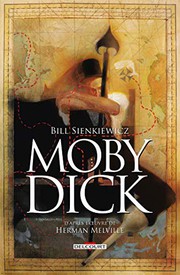
Herman Melville
83%Start with Moby-Dick (1851)
The great American novel of man against nature. Melville's whaling voyage is London's sea writ epic — the ocean as a vast, indifferent adversary, and obsession pushing men past the limits of survival.
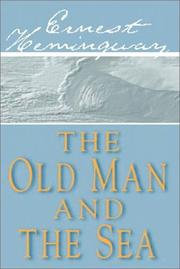
Ernest Hemingway
82%Start with The Old Man and the Sea (1952)
Shares London's spare, muscular prose and his central theme: a man tested to the absolute limit by nature. The Old Man and the Sea is the purest distillation of the naturalist tradition London helped build.

Jon Krakauer
80%Start with Into the Wild (1996)
The modern heir, in nonfiction. Krakauer tells the true story of a young man who walked into the Alaskan wild — a book that quotes London directly, and chases the exact romance of nature and solitude that London's fiction made famous.

James Fenimore Cooper
78%Start with The Last of the Mohicans (1826)
The frontier ancestor. Cooper's wilderness chases and survival across a dangerous American frontier established the man-in-the-wild adventure a century before London — foundational, more formal, but the same primal pull.
At a glance
London's signature is the survival story told with a naturalist's edge — man and animal against an indifferent nature, in vigorous, fast-moving prose. So a 1916 wilderness romance and a 1996 work of narrative nonfiction can both belong here: some match his Klondike and sea settings, others his man-against-nature philosophy, others simply his sheer narrative drive.
| Author | Start with | Best for | Match |
|---|---|---|---|
| James Oliver Curwood | The Grizzly King (1916) | Adventure, Wilderness, Nature | 90% |
| Rudyard Kipling | The Jungle Book (1894) | Adventure, Animal, Classic | 89% |
| Robert Louis Stevenson | Treasure Island (1883) | Adventure, Sea, Classic | 88% |
| Joseph Conrad | Heart of Darkness (1899) | Literary Fiction, Sea, Adventure | 86% |
| Zane Grey | Riders of the Purple Sage (1912) | Western, Adventure, Classic | 84% |
| Herman Melville | Moby-Dick (1851) | Literary Fiction, Sea, Classic | 83% |
| Ernest Hemingway | The Old Man and the Sea (1952) | Literary Fiction, Sea, Classic | 82% |
| Jon Krakauer | Into the Wild (1996) | Nonfiction, Wilderness, Adventure | 80% |
| James Fenimore Cooper | The Last of the Mohicans (1826) | Adventure, Frontier, Classic | 78% |
About Jack London
Jack London (1876–1916) was an American novelist, journalist, and adventurer — one of the first writers to become a worldwide celebrity and earn a fortune from fiction. Drawing on his years as a sailor, Klondike gold prospector, and tramp, he wrote The Call of the Wild, White Fang, The Sea-Wolf, and Martin Eden, blending rugged adventure with literary naturalism and a lifelong commitment to socialism. His vivid, fast-moving stories of survival in the wild made him one of the most widely read American authors of his era.
Frequently asked questions
Who should I read if I liked The Call of the Wild?+
James Oliver Curwood (The Grizzly King) is the closest — northern-wilderness animal adventure in London's exact mold. For more survival-against-nature, Jon Krakauer's Into the Wild and Rudyard Kipling's The Jungle Book.
Which author is most like Jack London?+
James Oliver Curwood, his contemporary, wrote nearly interchangeable wilderness and animal stories; Rudyard Kipling, whom London admired, shares his primal, law-of-nature vision.
Are there modern authors like Jack London?+
Jon Krakauer (Into the Wild) carries London's romance of the wild into narrative nonfiction — his book even quotes London — while the survival-adventure tradition London built still runs through much outdoor and wilderness writing.
What makes Jack London's stories distinctive?+
He fused rugged adventure with literary naturalism, throwing men and animals into brutal struggles with the Klondike, the sea, and the wild, in vigorous, fast-moving prose grounded in his own extraordinary life.
Want matches based on your own favorites?
Tell BookTwin the books you loved and get recommendations matched by mood, pacing, themes, and emotional payoff.
Try BookTwin