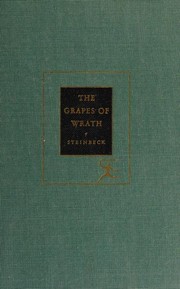
Books Like The Grapes of Wrath
by John Steinbeck
The Grapes of Wrath is built on two tightly braided forces: a sweeping social indictment of the dispossessed and a granular, family‑level portrait of endurance. Steinbeck alternates panoramic intercalary chapters that frame the Dust Bowl migration in economic and moral terms with intimate scenes inside the Joads’ camp — arguments over water, a child's fever, a father's stubborn hope — producing both an epic and a house-by-house study of suffering and solidarity.
If you loved The Grapes of Wrath, it matters which strand gripped you. Some readers respond most to Steinbeck’s moral outrage and his attention to systemic injustice; others are drawn to his evocations of place, to the family dynamics under strain, or to the novel’s spare, plainspoken sentences that can be lyrical and blunt in the same paragraph. The nine books below are chosen to match those different elements: close tonal kin from Steinbeck himself, documentary neighbors that share the book’s witness, and fiction that echoes its rural heart and moral urgency.
Recommended for fans of The Grapes of Wrath
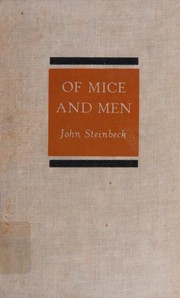
Of Mice and Men
John Steinbeck
Depression-era itinerant workers, intimate tragedy, and spare, powerful prose.
Pick this if you want more of Steinbeck’s exact terrain: itinerant workers, terse lyricism, and an intimate, tragic focus on two people whose fate exposes wider injustices.
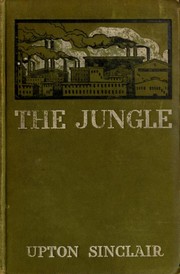
The Jungle
Upton Sinclair
Harsh labor exploitation and social-justice outrage set in early 20th-century America.
Pick this if you prized The Grapes of Wrath’s indictment of labor exploitation and want fiction that centers systemic abuse of workers and public outrage against it.

My Ántonia
Willa Cather
Poignant pioneer family life, landscape-driven prose, and immigrant resilience.
Pick this if it was the immigrant perseverance and the way landscape shapes identity that moved you; this book offers a quieter, more reflective rendering of pioneer family life.
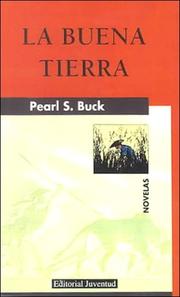
The Good Earth
Pearl S. Buck
Rural family struggles tied to land, survival, and societal change.
Pick this if you were drawn to generational ties to the land and the rhythms of rural survival — expect a different cultural setting but similar concerns about family and soil.
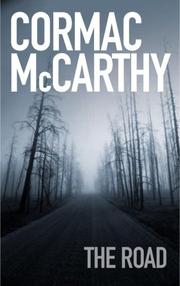
The Road
Cormac McCarthy
Bleak father–child journey and spare language capturing survival and moral reckoning.
Pick this if you responded to Steinbeck’s spare, unadorned prose and unflinching depiction of suffering; this is bleaker and more minimalist, turning the family road into a stark father–child pilgrimage.
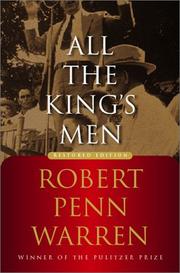
All the King's Men
Robert Penn Warren
Populist politics, moral complexity, and rural-to-power social dynamics.
Pick this if you wanted fiction that probes how local leaders and populist rhetoric reshape communities; this one focuses more explicitly on political ambition and moral ambiguity in power.
A Thousand Acres
Jane Smiley
Rural family secrets and land inheritance retold with emotional depth.
Pick this if you were interested in family dynamics and inheritance tied to land but are open to a modern reimagining with domestic psychological depth rather than Depression‑era social protest.
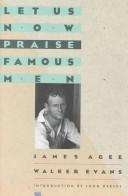
Let Us Now Praise Famous Men
James Agee
Documentary portrait of tenant farmers—lyrical nonfiction echoing Steinbeck's empathy.
Pick this if you want nonfiction close to Steinbeck’s reporting instincts: intimate, lyrical portraits of tenant farmers that echo his empathy and observational method.
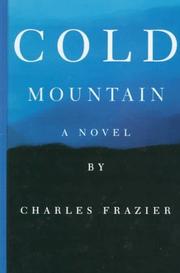
Cold Mountain
Charles Frazier
Epic, gritty journey through hardship with strong sense of place and longing.
Pick this if it was the novel’s sense of place and the long, arduous journey that appealed to you; expect a historical, lyrical trek with a strong sense of longing rather than explicit social‑protest themes.
At a glance
These matches were selected for how they reflect specific dimensions of Steinbeck’s book — its focus on dispossession and labor, its family-and-land dynamics, and its spare, morally charged prose — rather than for surface plot similarities alone.
| Book | First published | Pages | Closest match on | Match |
|---|---|---|---|---|
Of Mice and Men John Steinbeck | 1937 | 119 | Depression-era itinerancy | 94% |
The Jungle Upton Sinclair | 1791 | 350 | Social‑justice outrage | 88% |
My Ántonia Willa Cather | 1818 | 264 | Landscape-driven immigrant life | 86% |
The Good Earth Pearl S. Buck | 1931 | 316 | Rural family & land | 84% |
The Road Cormac McCarthy | 2006 | 256 | Bleak survival journey | 82% |
All the King's Men Robert Penn Warren | 1946 | 518 | Populist politics & power | 80% |
A Thousand Acres Jane Smiley | 1991 | 378 | Rural family secrets | 78% |
Let Us Now Praise Famous Men James Agee | 1941 | 471 | Documentary empathy | 76% |
Cold Mountain Charles Frazier | 1997 | 449 | Epic, gritty journey | 74% |
About The Grapes of Wrath
Published in 1939, The Grapes of Wrath won the Pulitzer Prize for Fiction and made John Steinbeck a central voice of Depression‑era America. Steinbeck based the novel on reporting about Dust Bowl migrants and drew on photographs and contemporary accounts to ground his fictional Joads in real suffering.
Frequently asked questions
What Steinbeck book should I read next if I liked The Grapes of Wrath?+
Of Mice and Men is the closest step: it returns to Depression‑era itinerancy, intimacy of voice, and the author’s lean, tragic register. For a different angle on Steinbeck’s method and themes, try his shorter nonfiction pieces and essays collected in later volumes.
Are there nonfiction books that pair well with The Grapes of Wrath?+
Yes. Let Us Now Praise Famous Men is a documentary‑style portrait of tenant farmers that shares Steinbeck’s empathy and close observational eye. Its prose is more explicitly reportage but echoes the novel’s moral focus on rural poverty.
Which books explore similar agricultural and land themes?+
The Good Earth and My Ántonia both center rural families rooted to their landscapes and examine cultural and economic pressures on peasant life — they match Steinbeck’s concern with land as livelihood and identity.
Is The Grapes of Wrath primarily political or personal?+
It’s both. Steinbeck intentionally alternates broad, polemical interchapters with intimate scenes inside the Joads’ caravan to argue that systemic forces and personal suffering are inseparable.
If I appreciated the novel’s bleakness and moral weight, what else should I try?+
If you want a darker, more pared-down meditation on survival and moral reckoning, The Road is the closest tonal sibling on this list; it's bleaker and more minimalist but shares the novel’s moral seriousness.
More books by John Steinbeck
See all 15 John Steinbeck guides →Want recommendations based on your own favorites?
BookTwin can match you to books by mood, pacing, themes, and emotional payoff — based on 1 to 5 books you tell it you loved.
Try BookTwin