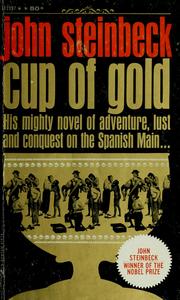
Books Like Cup of Gold
by John Steinbeck
Cup of Gold is an unusual entry in John Steinbeck's oeuvre: a quasi-historical, psychological swashbuckler that follows the real-life English privateer Henry Morgan as he sails to the Caribbean to win a queen and carve out a kingdom. Steinbeck blends episodic sea voyages, siege scenes and romantic obsession with occasional poetic interludes and mythic-aside chapters; the book moves between gritty nautical detail and heightened, almost allegorical passages about ambition and desire.
Readers come to Cup of Gold for different things: some for the pirate-set action and siegecraft, some for Steinbeck's probing of a violent protagonist's inner life, and some for the book's tonal swings — part adventure yarn, part moral fable. The nine picks below are chosen to match those distinct elements: classic pirate romance, philosophical sea drama, compact maritime tragedy, and works that mirror Steinbeck's muscular prose or his interest in flawed heroism.
Recommended for fans of Cup of Gold
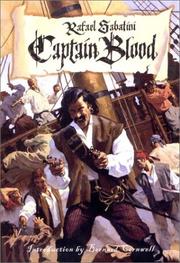
Captain Blood
Rafael Sabatini
Swashbuckling pirate adventure with romantic, heroic tone and historical Caribbean setting.
Pick this if you primarily want high-seas swashbuckling and a heroic, romantic lead navigating love and honor in a Caribbean backdrop.
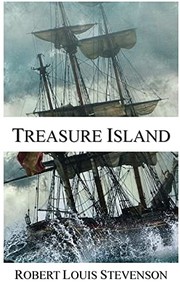
Treasure Island
Robert Louis Stevenson
Foundational pirate adventure, vivid characters and sea-driven coming-of-age action.
Pick this if you’re after the foundational pirate-story blueprint — clear, vivid characters and episodic maritime action that influenced later sea adventures.

The Sea-Wolf
Jack London
Philosophical, brutal sea drama with moral conflict and intense nautical atmosphere.
Pick this if you appreciated Steinbeck’s moral probing and want a harsher, more confrontational study of leadership and brutality at sea.
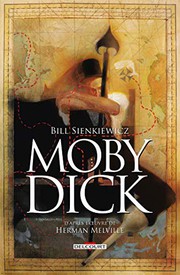
Moby-Dick
Herman Melville
Epic, lyrical maritime novel blending adventure, obsession, and moral inquiry.
Pick this if it was Cup of Gold’s blend of adventure and deep moral interrogation that gripped you; expect longer, denser reflection on obsession and fate.

Billy Budd
Herman Melville
Compact, tragic maritime tale about innocence, justice, and harsh seafaring law.
Pick this if you liked the novella-like intensity of Steinbeck’s portrait and want a compact, tragic maritime story about innocence and harsh law.

A High Wind in Jamaica
Richard Hughes
Darkly comic Caribbean adventure exploring innocence, violence, and colonial life.
Pick this if you responded to the novel’s mingling of violence and ironic distance. This pick skewers innocence and empire with bleak humor; it’s darker and more ironic than Steinbeck.
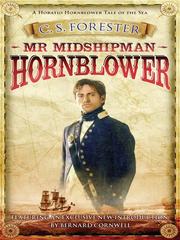
Mr. Midshipman Hornblower
C. S. Forester
Naval-era adventure with character growth, seamanship, and period atmosphere.
Pick this if you want disciplined seamanship and a coming-of-age naval framework rather than the mythic, obsession-driven tale Steinbeck tells — a closer fit on seamanship than on tone.
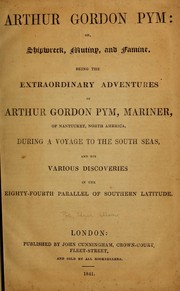
Narrative of Arthur Gordon Pym
Edgar Allan Poe
Weird, suspenseful sea voyage with dark, uncanny episodes and vivid prose.
Pick this if you were taken by Cup of Gold’s uncanny, episodic digressions. This is a looser, stranger match: expect surreal and suspenseful maritime episodes rather than historical romance.
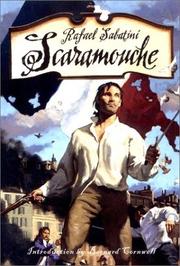
Scaramouche
Rafael Sabatini
Swashbuckling, romantic historical adventure with eloquent prose and dramatic duels.
Pick this if you loved the novel’s theatrical, duel-filled moments and high-stakes romance. This is more overtly romantic and stylistically polished than Steinbeck, so the match is mainly tonal.
At a glance
Matches were chosen on three specific dimensions: maritime/adventure setting, a central ambitious or obsessive protagonist, and the book’s balance between action sequences and psychological or philosophical digressions.
| Book | First published | Pages | Closest match on | Match |
|---|---|---|---|---|
Captain Blood Rafael Sabatini | 1922 | 356 | Romantic pirate adventure | 92% |
Treasure Island Robert Louis Stevenson | 1880 | 248 | Classic coming-of-sea tale | 90% |
The Sea-Wolf Jack London | 1900 | 321 | Philosophical sea drama | 85% |
Moby-Dick Herman Melville | 1851 | 452 | Epic obsession & inquiry | 82% |
Billy Budd Herman Melville | 1900 | 183 | Concise tragic seafaring | 80% |
A High Wind in Jamaica Richard Hughes | 1931 | 194 | Darkly comic Caribbean view | 78% |
Mr. Midshipman Hornblower C. S. Forester | 1920 | 258 | Naval-period adventure | 77% |
Narrative of Arthur Gordon Pym Edgar Allan Poe | 1838 | 203 | Weird sea voyage | 74% |
Scaramouche Rafael Sabatini | 1900 | 320 | Swashbuckling drama & duels | 73% |
About Cup of Gold
Cup of Gold was John Steinbeck’s first published novel, released in 1929. It fictionalizes the life of Henry Morgan and blends historical episodes with mythic and psychological digressions; though not as widely read as his later novels, it shows Steinbeck experimenting with narrative form and moral inquiry.
Frequently asked questions
Is Cup of Gold based on a real historical figure?+
Yes. The protagonist is based on the 17th-century privateer Henry Morgan, and Steinbeck uses historical events as the backbone for a largely fictionalized, psychological portrait.
How does Cup of Gold compare to Steinbeck’s later novels?+
Stylistically it’s rougher and more experimental than Steinbeck’s mature work, but you’ll recognize his recurring concerns: masculinity, ambition, and the moral consequences of violence. If you like Cup of Gold, Steinbeck’s later, more polished novels offer more sustained social realism and character development.
Which pick here is best if I want a straight pirate adventure?+
Captain Blood is the closest straight swashbuckling match: it delivers romantic heroics and a Caribbean setting in a much more conventional adventure form.
Which recommendation matches Cup of Gold’s moral complexity?+
The Sea-Wolf and Moby-Dick are the strongest moral and philosophical companions here; both foreground intense ethical conflict aboard ship and probe their captains’ obsessions.
More books by John Steinbeck
See all 15 John Steinbeck guides →Want recommendations based on your own favorites?
BookTwin can match you to books by mood, pacing, themes, and emotional payoff — based on 1 to 5 books you tell it you loved.
Try BookTwin