
Books Like To a God Unknown
by John Steinbeck
To a God Unknown is one of Steinbeck’s most elemental novels: a slow-burning, ritual-rich study of a man’s almost religious bond to a piece of land and the ways that bond shapes family, community and violence. The book unfolds in a small California valley where rites, seasonal cycles and a diffuse belief in the land’s spirit govern choices; Steinbeck uses pastoral description, repeated sacramental scenes and a mounting sense of inevitable consequence rather than plot twists to build its moral pressure.
If you loved To a God Unknown, you might have been drawn to different veins in the book. Some readers come for Steinbeck’s terse, biblical cadence and moral mythmaking; others for the novel’s focus on landscape as a living force that determines fate; some respond to the austere, tragic mood and the way personal grief is refracted into ritual. The list below separates those responses so you can pick according to whether you want more family epic, social protest grounded in land, lyrical pastoralness, or a spare, mythic confrontation between person and nature.
Recommended for fans of To a God Unknown

East of Eden
John Steinbeck
Epic family saga in California with moral mythmaking and lyrical, biblical undertones.
Pick this if you wanted Steinbeck’s moral-myth voice stretched into a multigenerational California saga with epic family conflict and explicit biblical undertones.
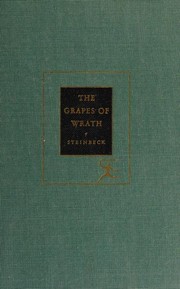
The Grapes of Wrath
John Steinbeck
Rural hardship, landscape-determined fate, and powerful social and spiritual resonance.
Pick this if it was the book’s insistence that land shapes destiny — and the pastoral suffering that follows — that gripped you; expect broader social scope and political anger here.

My Ántonia
Willa Cather
Poetic evocation of land, immigrant life, and memory with deep pastoral reverence.
Pick this if you loved Steinbeck’s reverent, pastoral passages and want another book that treats landscape as memory and moral force rather than just setting.
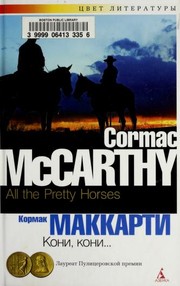
All the Pretty Horses
Cormac McCarthy
Sparse, mythic Western with landscape as destiny and elegiac tone.
Pick this if you’re after a lean, elegiac Western where the environment feels like destiny — a mood match more than an authorial one.
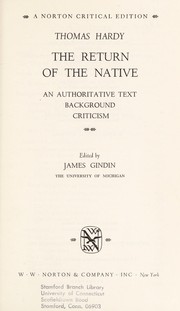
Return of the Native
Thomas Hardy
Tragic rural drama steeped in pagan landscape and fatalism.
Pick this if it was the novel’s sense of rural fatalism and nature’s cold indifference that stayed with you; expect tragic, community-centered drama rooted in place.
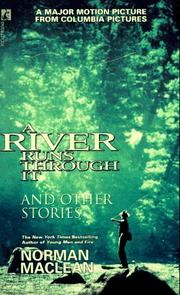
A River Runs Through It
Norman Maclean
Lyrical, pastoral meditation on family, nature, and spiritual longing.
Pick this if you connected most with Steinbeck’s quieter, reflective sequences about family and nature and want a modern, lyrical counterpart focused on those bonds.

The Secret River
Kate Grenville
Colonial clash over land with brutal pastoral intimacy and moral complexity.
Pick this if you wanted a darker exploration of land ownership and moral complexity in a settler context; this is a close thematic cousin but centers colonial encounters more explicitly.
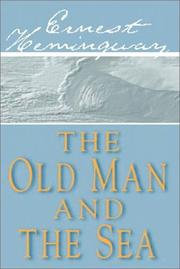
The Old Man and the Sea
Ernest Hemingway
Spare, elemental struggle between man and nature with mythic resonance.
Pick this if you’re looking for spare prose that turns a simple human struggle into mythic resonance — compact and elemental rather than communal and ritualistic.

The Sheltering Sky
Paul Bowles
Existential, landscape-driven journey into spiritual desolation and cultural otherness.
Pick this if you wanted the book’s existential strain and landscape-as-isolation. This is a mood and atmosphere match; plot and setting diverge more than in other picks.
At a glance
Matches were chosen for their shared focus on land and fate, Steinbeck-like moral seriousness, and tonal affinity — whether through epic family scope, social realism rooted in place, or spare, mythic prose.
| Book | First published | Pages | Closest match on | Match |
|---|---|---|---|---|
East of Eden John Steinbeck | 1952 | 613 | Biblical, familial sweep | 94% |
The Grapes of Wrath John Steinbeck | 1939 | 544 | Landscape and social fate | 92% |
My Ántonia Willa Cather | 1818 | 264 | Poetic land-evocation | 86% |
All the Pretty Horses Cormac McCarthy | 1992 | 306 | Sparse, mythic Western tone | 82% |
Return of the Native Thomas Hardy | 1878 | 470 | Pagan landscape fatalism | 80% |
A River Runs Through It Norman Maclean | 1976 | 217 | Lyrical family meditation | 78% |
The Secret River Kate Grenville | 2005 | 349 | Colonial land conflicts | 76% |
The Old Man and the Sea Ernest Hemingway | 1952 | 132 | Elemental man vs. nature | 75% |
The Sheltering Sky Paul Bowles | 1948 | 322 | Existential, landscape-driven mood | 72% |
About To a God Unknown
To a God Unknown was published by John Steinbeck in 1933. Set in rural California, it sits between his earlier regional sketches and the social novels that followed; critics have long discussed its pagan imagery and Steinbeck’s experiments with biblical tone and symbolic landscape.
Frequently asked questions
Is To a God Unknown one of Steinbeck’s major works?+
It’s not as widely read as The Grapes of Wrath or East of Eden, but it’s an important early experiment in Steinbeck’s use of biblical cadence and symbolic landscape. Readers who value his thematic focus on land, community and spiritual conflict often single it out.
Which Steinbeck book should I read next if I liked the religious or mythic tone?+
Read East of Eden next. It amplifies Steinbeck’s biblical language and moral mythmaking on a much larger family stage while keeping the California setting and questions of destiny and choice.
Which book matches To a God Unknown’s focus on land determining fate?+
The Grapes of Wrath. Though its scope is social and political, it treats the land as a force that shapes lives and ethical choices, much like Steinbeck’s valley does in To a God Unknown.
Are there books here that are primarily lyrical or pastoral rather than political?+
Yes. Several picks emphasize pastoral reverence and meditative nature writing — notably My Ántonia and A River Runs Through It — which match the novel’s contemplative passages more than its social critique.
More books by John Steinbeck
See all 15 John Steinbeck guides →Want recommendations based on your own favorites?
BookTwin can match you to books by mood, pacing, themes, and emotional payoff — based on 1 to 5 books you tell it you loved.
Try BookTwin