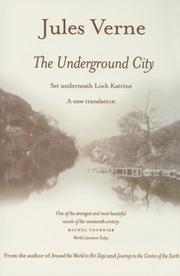
Books Like The Underground City
by Jules Verne
The Underground City is built on two sturdy pillars of Verne's fiction: a concealed, engineered environment that challenges modern assumptions about progress, and methodical, often scientific problem-solving carried out under pressure. Verne stages encounters with buried waterways, man-made caverns and a society that has adapted to life beneath the surface, then lets his characters apply engineering know-how, logical deduction and staged expedients to survive and to understand the subterranean community. The novel reads like an archeological thriller with late‑Victorian technical curiosity at every turn.
If you loved The Underground City, pinpoint what exactly gripped you. Was it the subterranean set-piece and the uncanny inside-out world? The Victorian emphasis on technology and mapped logic? The moral questions raised by contact with an isolated society? Or the steady, expedition-style pacing that mixes description with procedural fixes? The nine books below are chosen because each echoes one or more of those qualities — from Verne’s own subterranean masterpieces to later takes on hidden civilizations, pulp caverns, and modern YA riffs on declining underground settlements — with clear notes on where they overlap and where they diverge.
Recommended for fans of The Underground City

Journey to the Center of the Earth
Jules Verne
Classic subterranean expedition with scientific wonder and brisk Victorian adventure.
Pick this if you want the purest repeat of subterranean wonder and methodical scientific expedition — this is Verne doing the same conceit on a larger, more mythic scale.
The Mysterious Island
Jules Verne
Ingenious survival, exploration, and mysterious technology in an isolated setting.
Pick this if you enjoyed the engineering improvisation and castaway-style problem solving; this book amplifies those elements in an isolated setting and focuses on cooperative ingenuity.

Twenty Thousand Leagues Under the Sea
Jules Verne
Grand, speculative science and marvel-driven exploration led by a charismatic captain.
Pick this if it was Verne's speculative technology and a charismatic, commanding explorer that appealed to you. This shifts the hidden-world wonder from underground to undersea but keeps the marvel-driven exploration.
The Lost World
Arthur Conan Doyle
Pulp-era expedition to a hidden realm full of danger and discovery.
Pick this if you liked the pulp-energy of exploring a sealed-off domain full of prehistoric dangers. It shares the hidden-world premise and the expedition tone, though with a more pulpy, creature-focused emphasis.
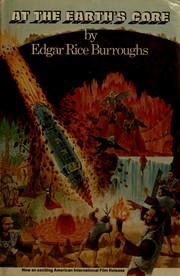
At the Earth's Core
Edgar Rice Burroughs
Rugged pulp adventure into an underground civilization and fierce creatures.
Pick this if you're after rugged, action-first subterranean adventure with larger-than-life perils. This is a pulpier, more visceral cousin of Verne's methodical exploration.

The Coming Race
Edward Bulwer-Lytton
Victorian speculative tale about an advanced, hidden subterranean society.
Pick this if you want a Victorian speculative take on an advanced subterranean race and the social-philosophical questions that follow; it's more ideological and less engineering-focused than Verne.

King Solomon's Mines
H. Rider Haggard
Rousing, imperial-era treasure expedition with peril and exotic discovery.
Pick this if the thrill you wanted was Victorian-era exploration and a straight-ahead treasure/adventure quest. This shares the era's expeditionary voice but is less concerned with engineering detail.
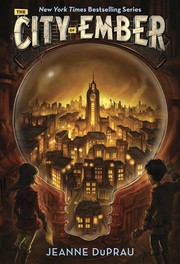
The City of Ember
Jeanne DuPrau
Modern, character-driven story set in a dwindling underground city seeking escape.
Pick this if you prefer a character-centered, contemporary treatment of life inside a failing underground city. It's a looser match on style and period but strong on the city-as-system idea.
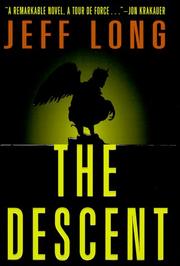
The Descent
Jeff Long
Ominous, expansive subterranean horror and anthropology of hidden caverns.
Pick this if you liked the vastness and unknown scale of the underground but want a darker, more anthropological and horror-tinged vision. This is the loosest Verne cousin here: more dread and less Victorian problem-solving.
At a glance
Matches were chosen for three specific dimensions of The Underground City: subterranean or hidden-world settings, a technological/scientific approach to problems, and the expedition/encounter pacing Verne favors. Each recommendation lists which of those elements it shares most closely.
| Book | First published | Pages | Closest match on | Match |
|---|---|---|---|---|
Journey to the Center of the Earth Jules Verne | 2000 | — | Subterranean exploration | 98% |
The Mysterious Island Jules Verne | 1895 | 656 | Ingenious survival & invention | 92% |
Twenty Thousand Leagues Under the Sea Jules Verne | 1977 | 48 | Speculative marine science | 90% |
The Lost World Arthur Conan Doyle | 1900 | 238 | Hidden-realm expeditions | 85% |
At the Earth's Core Edgar Rice Burroughs | 1914 | 152 | Underground civilization pulp | 83% |
The Coming Race Edward Bulwer-Lytton | 1871 | 134 | Advanced hidden society | 78% |
King Solomon's Mines H. Rider Haggard | 1876 | 222 | Imperial-era expedition tone | 75% |
The City of Ember Jeanne DuPrau | 1998 | 270 | Modern underground society | 72% |
The Descent Jeff Long | 1999 | 450 | Ominous subterranean horror | 70% |
About The Underground City
The Underground City (French: La Ville souterraine) is one of Jules Verne's 19th-century “Extraordinary Voyages.” Like many of Verne's works it blends speculative engineering, exploration of a concealed environment and serialized, chapter-driven pacing. The novel reflects Verne's interest in geology, hydraulics and social organization beneath the surface.
Frequently asked questions
Which Jules Verne books are closest to The Underground City?+
Journey to the Center of the Earth is the closest match for subterranean wonder and scientific expedition; The Mysterious Island and Twenty Thousand Leagues Under the Sea are close for inventive technology and survival-driven ingenuity.
Is The Underground City more horror or adventure?+
It sits squarely on the adventure/speculative-technology side: Verne emphasizes engineering solutions and discovery over psychological horror. If you want darker subterranean visions, some later picks here lean toward that tone.
Are there modern books that capture the underground-city idea?+
Yes. The City of Ember is a contemporary, character-driven YA treatment of a failing underground settlement and examines societal decay and escape in ways that differ from Verne's technical focus.
Do other Verne novels explore similar scientific detail and hidden worlds?+
Yes. Journey to the Center of the Earth revisits underground exploration, The Mysterious Island focuses on survival and improvised invention, and Twenty Thousand Leagues Under the Sea offers Verne's grandest blend of speculative technology and leadership-driven exploration.
More books by Jules Verne
See all 22 Jules Verne guides →Want recommendations based on your own favorites?
BookTwin can match you to books by mood, pacing, themes, and emotional payoff — based on 1 to 5 books you tell it you loved.
Try BookTwin