
Books Like Journey to the Center of the Earth
by Jules Verne
Journey to the Center of the Earth is built around a single, irresistible conceit executed like a scientific expedition: Professor Lidenbrock deciphers a runic message, leads a small party down an Icelandic volcano shaft, and the novel proceeds as a sequence of subterranean set pieces — caverns, underground seas, prehistoric fauna — described with period science, practical apparatus and steady problem-solving. Verne balances meticulous geological detail and explanatory digressions with immediate physical danger; the tone shifts between didactic curiosity and claustrophobic wonder as the party probes deeper.
Readers come to this book for different competing pleasures. Some savor the speculative geology and Verne’s habit of explaining how things might work; others want the serialized, episodic discoveries and narrowly-escaped disasters. Many respond to the human dynamics — the professor’s obstinacy, Axel’s nervous everyman perspective and the guide Hans’s stoic competence — which turn technical adventure into personal drama. The list below groups books that share one or more of those particular qualities rather than offering blanket “adventure” matches.
Recommended for fans of Journey to the Center of the Earth
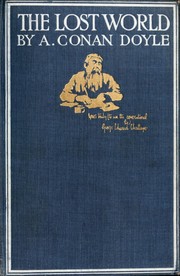
The Lost World
Arthur Conan Doyle
Pioneering lost-world adventure with explorers, prehistoric creatures, and scientific curiosity.
Pick this if you wanted more explorers encountering living fossils and bold, Victorian scientific inquiry — this one amplifies the palaeontological wonder and expedition ethos.

Twenty Thousand Leagues Under the Sea
Jules Verne
Grand scientific adventure, marvels of hidden realms and a charismatic enigmatic captain.
Pick this if you loved Verne’s methodical scientific curiosity paired with spectacular set pieces; Twenty Thousand Leagues Under the Sea reproduces that blend with an enigmatic captain and marvels of a hidden realm.
The Mysterious Island
Jules Verne
Ingenious stranded castaways use science and exploration to survive and reveal secrets.
Pick this if it was the group’s clever engineering and survival-by-science that appealed to you; The Mysterious Island extends that theme into long-term problem-solving in isolation.

King Solomon's Mines
H. Rider Haggard
High-stakes treasure expedition into unknown, perilous landscapes and ancient mysteries.
Pick this if you enjoyed the Victorian expedition framing and the sense of pushing into dangerous unknowns. Expect a higher emphasis on treasure and peril than on speculative geology.
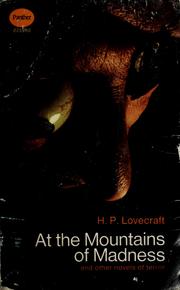
At the Mountains of Madness
H. P. Lovecraft
Antarctic expedition uncovers ancient subterranean city and cosmic, uncanny revelations.
Pick this if you want a darker, more unsettling turn on the theme of an expedition uncovering ancient, dangerous secrets. Note: this leans toward cosmic horror rather than Verne’s explanatory science.

The Time Machine
H. G. Wells
Speculative exploration of future societies, subterranean dwellers, and scientific inquiry.
Pick this if you appreciated the novel’s speculative impulse about alternate environments and how beings adapt; this book applies similar inquiry to future societies rather than subterranean strata.
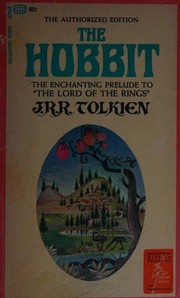
The Hobbit
J. R. R. Tolkien
Classic quest with caves, underground encounters, and a blend of peril and wonder.
Pick this if you liked caves, riddles and journeying into the dark; this is more of a mythic quest with folkloric monsters than a scientific expedition, so it’s a mood match more than a technical one.
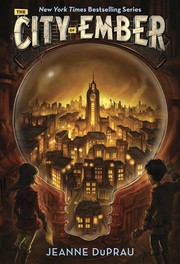
The City of Ember
Jeanne DuPrau
Young protagonists escape a failing underground city, combining mystery and hopeful exploration.
Pick this if you were drawn to the idea of enclosed civilizations beneath the surface and younger protagonists solving structural puzzles. This is a looser fit — it’s modern middle‑grade and focuses on escape and rebuilding rather than Victorian scientific detail.

The Moon Pool
A. Merritt
Weird-pulp adventure uncovering hidden subterranean civilizations and ancient powers.
Pick this if you want pulpish, weird‑fantasy takes on hidden underground powers and ancient peoples. It emphasizes atmosphere and the uncanny over Verne’s methodical scientific explanations.
At a glance
Matches were chosen by which element of Verne’s book they most closely reproduce: speculative-scientific framing, claustrophobic subterranean encounters, serialized discovery-and-escape structure, or the mentor‑and‑disciple expedition dynamic.
| Book | First published | Pages | Closest match on | Match |
|---|---|---|---|---|
The Lost World Arthur Conan Doyle | 1900 | 238 | Subterranean prehistoric spectacle | 92% |
Twenty Thousand Leagues Under the Sea Jules Verne | 1977 | 48 | Grand scientific wonder | 90% |
The Mysterious Island Jules Verne | 1895 | 656 | Resourceful castaway ingenuity | 88% |
King Solomon's Mines H. Rider Haggard | 1876 | 222 | Treasure‑hunt expedition tone | 86% |
At the Mountains of Madness H. P. Lovecraft | 1968 | 192 | Cosmic uncanny discovery | 80% |
The Time Machine H. G. Wells | 1895 | 120 | Speculative exploration of societies | 78% |
The Hobbit J. R. R. Tolkien | 1937 | 310 | Quest with underground encounters | 76% |
The City of Ember Jeanne DuPrau | 1998 | 270 | Underground city mystery | 74% |
The Moon Pool A. Merritt | 1919 | 286 | Weird subterranean civilizations | 70% |
About Journey to the Center of the Earth
First published in 1864, Journey to the Center of the Earth is part of Jules Verne’s Voyages extraordinaires and was serialized in the French press before book form. Verne drew on contemporary geology and paleontology, combining scientific speculation with adventure, and the novel has influenced generations of subterranean and lost-world fiction.
Frequently asked questions
What should I read next if I liked Journey to the Center of the Earth?+
If you want more subterranean or prehistoric spectacle, start with The Lost World. For another Verne expedition that doubles down on scientific marvels and an enigmatic leader, read Twenty Thousand Leagues Under the Sea.
Is Journey to the Center of the Earth horror or science fiction?+
It sits in early science fiction with moments that can feel eerie or uncanny, but Verne frames most peril through contemporary scientific ideas and practical problem-solving rather than supernatural horror.
Which Jules Verne book is closest in spirit?+
Twenty Thousand Leagues Under the Sea shares Verne’s appetite for detailed scientific exposition combined with a succession of wondrous locales; The Mysterious Island is closer if you liked the group‑survival, resourceful‑engineering element.
Are these other books more modern or older?+
Most picks are Victorian or early 20th‑century adventure fiction that appeared not long after Verne. The Lost World and King Solomon’s Mines belong to the same imperial‑era tradition; Twenty Thousand Leagues Under the Sea and The Mysterious Island are Verne’s own works.
Is Journey to the Center of the Earth appropriate for younger readers?+
Its language and scientific asides are 19th‑century dense, but the episodic structure and clear plot make it accessible to older middle‑grade readers and up, particularly with a modern annotated edition.
More books by Jules Verne
See all 22 Jules Verne guides →Want recommendations based on your own favorites?
BookTwin can match you to books by mood, pacing, themes, and emotional payoff — based on 1 to 5 books you tell it you loved.
Try BookTwin