
Books Like Five Weeks in a Balloon
by Jules Verne
Five Weeks in a Balloon is textbook Victorian speculative adventure: a single audacious scientific conceit (an extended Nile survey made possible by a hydrogen balloon) sets the itinerary, and Jules Verne keeps the story moving by alternating problem-solving episodes, detailed descriptions of technology and landscape, and a cavalcade of local encounters. The book's magic is procedural — how the balloon copes with storms, strangers, and scarce fuel — and in the way Verne treats geography as a puzzle to be navigated rather than mere scenery.
If you loved Five Weeks in a Balloon, you might have been drawn to different precise things: the central scientific idea and engineering explanations; the lean, serialized chapter rhythm that converts hazards into neat, satisfying obstacles; or the book's optimistic faith that human ingenuity and curiosity can turn any wilderness into intelligible territory. The list below groups books that resonate with one or more of those impulses — other Verne voyages for very close tonal and structural matches, and a handful of contemporaries that share the Victorian exploration ethos or the resourceful-survival element.
Recommended for fans of Five Weeks in a Balloon

Journey to the Center of the Earth
Jules Verne
Similar Victorian scientific adventure and subterranean exploration with brisk pacing.
Pick this if you want almost the exact same formula: a bold scientific premise, meticulous technical detail and serialized, problem-by-problem pacing — this is the closest match.

Around the World in Eighty Days
Jules Verne
Globe-trotting, punctuality-driven adventure and light, witty narration.
Pick this if it was the journey-as-concept that appealed to you; like the balloon in Five Weeks, the circumnavigation premise structures every episode and keeps the narrative moving.

Twenty Thousand Leagues Under the Sea
Jules Verne
Marvelous scientific imagination, epic voyage, and charismatic captain figure.
Pick this if you loved Verne’s habit of turning a single ingenious machine or idea into a long voyage of discovery — expect a grand vessel, scientific wonder and a compelling captain figure.

From the Earth to the Moon
Jules Verne
Inventive 19th-century science, bold engineering schemes, and satirical tone.
Pick this if you appreciated Verne’s interest in contemporary inventions and the way he riffs on them; this title shares that focus on mechanics and large-scale projects with a playful tone.
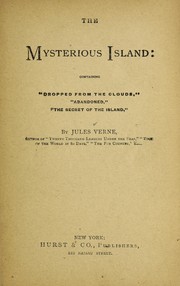
The Mysterious Island
Jules Verne
Survival, inventive improvisation, and castaway exploration echoing Verne's optimism.
Pick this if it was the make-do, engineer‑at‑the-end‑of‑the‑world feeling you enjoyed; this one amplifies resourcefulness and group ingenuity in an island‑castaway setting.

King Solomon's Mines
H. Rider Haggard
Rugged Victorian exploration into unknown lands with treasure and danger.
Pick this if you wanted more of the Victorian, Africa‑set exploration vibe — treasure, heat, and a straightforward, action-first hero rather than elaborate scientific exposition.
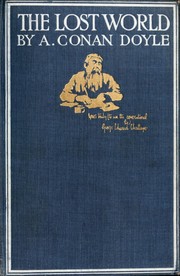
The Lost World
Arthur Conan Doyle
Expedition to remote plateau discovering prehistoric wonders and scientific curiosity.
Pick this if the thirst for remote, discovery-driven adventure drew you in; this one trades balloon flight for a plateau of living prehistoric creatures and steady expedition pacing.
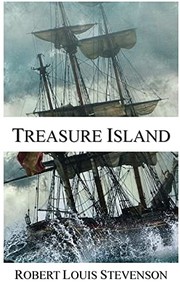
Treasure Island
Robert Louis Stevenson
Classic high-seas adventure, youthful excitement, and memorable characters.
Pick this if you liked the straightforward, old‑school adventure mechanics and memorable, compact cast of characters even if Five Weeks’ balloon travel is replaced by seafaring.

The Swiss Family Robinson
Johann David Wyss
Ingenious survival and travel narrative focused on resourcefulness and family exploration.
Pick this if you preferred the pragmatic survival and family‑oriented ingenuity in the face of isolation — a domestic, cooperative variant on the improvisation Verne celebrates.
At a glance
Matches prioritize the same mechanics that define this novel: a single transport-based conceit (the balloon), a problem-of-the-week serialized structure, descriptive scientific detail, and a generally optimistic, engineerly tone. Higher percentages indicate closer overlap on those dimensions.
| Book | First published | Pages | Closest match on | Match |
|---|---|---|---|---|
Journey to the Center of the Earth Jules Verne | 2000 | — | Victorian scientific adventure | 96% |
Around the World in Eighty Days Jules Verne | 2013 | 180 | Transport-driven plot | 94% |
Twenty Thousand Leagues Under the Sea Jules Verne | 1977 | 48 | Epic speculative voyage | 92% |
From the Earth to the Moon Jules Verne | 1900 | 308 | 19th-century engineering satire | 90% |
The Mysterious Island Jules Verne | 1895 | 656 | Survival & improvisation | 89% |
King Solomon's Mines H. Rider Haggard | 1876 | 222 | Rugged Victorian exploration | 85% |
The Lost World Arthur Conan Doyle | 1900 | 238 | Prehistoric expedition thrills | 84% |
Treasure Island Robert Louis Stevenson | 1880 | 248 | Classic adventure & sea lore | 82% |
The Swiss Family Robinson Johann David Wyss | 1979 | 320 | Resourceful survival narrative | 80% |
About Five Weeks in a Balloon
First published in French as Cinq semaines en ballon in 1863, Five Weeks in a Balloon was Jules Verne's first major success and launched his long series of "Extraordinary Voyages." Verne drew on contemporary African exploration and new aeronautical ideas to popularize scientific adventure in serialized form.
Frequently asked questions
What other Jules Verne books feel most like Five Weeks in a Balloon?+
Journey to the Center of the Earth, Around the World in Eighty Days and Twenty Thousand Leagues Under the Sea are the closest; they share Verne's serialized pacing, focus on a central scientific premise and the same blend of technical detail and adventure.
Is Five Weeks in a Balloon a realistic depiction of ballooning?+
Verne mixes accurate mid‑19th‑century aeronautical knowledge with fictional license: the scientific descriptions are grounded in contemporary sources, but the novel emphasizes narrative possibility over strict technical realism. If you want more of Verne’s technical imagination, read From the Earth to the Moon or Twenty Thousand Leagues Under the Sea.
Which books capture the exploration-and-survival side of Five Weeks in a Balloon?+
The Mysterious Island channels Verne’s inventive improvisation and survival optimism, while King Solomon's Mines and The Lost World provide rugged Victorian expedition energy from other authors.
Should I read other authors on this list before or after Verne?+
There’s no required order. For a direct continuation of Verne’s mode, start with Journey to the Center of the Earth or Around the World in Eighty Days. If you want a comparative feel for Victorian exploration across authors, King Solomon’s Mines and The Lost World offer useful contrasts.
More books by Jules Verne
See all 22 Jules Verne guides →Want recommendations based on your own favorites?
BookTwin can match you to books by mood, pacing, themes, and emotional payoff — based on 1 to 5 books you tell it you loved.
Try BookTwin