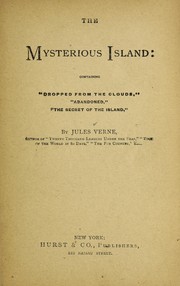
Books Like The Mysterious Island
by Jules Verne
The Mysterious Island is Jules Verne's island-bound laboratory: five castaways stranded by Civil War-era ballooning apply engineering, chemistry and improvisation to turn raw nature into a functioning micro-society. The novel repeatedly foregrounds practical problem-solving — building shelters, producing iron, making gunpowder — and wraps that industrious, textbook-like ingenuity in a strain of mystery when anonymous interventions and the island’s hidden benefactor start saving the colonists at crucial moments.
Readers come to this book for different things. Some love the detailed, hands-on resourcefulness and the satisfaction of every mechanical puzzle solved; others are here for the remote-island setting, the colonial‑era castaway dynamics and survival drama; and some read it as the late chapter in Verne’s fictional universe because it connects to Twenty Thousand Leagues Under the Sea. The nine picks below focus on which of those elements each book shares with The Mysterious Island, so you can choose by the particular aspect you want more of — whether that’s methodical engineering, castaway life, speculative exploration, or interlinked Verne mythology.
Recommended for fans of The Mysterious Island

Twenty Thousand Leagues Under the Sea
Jules Verne
Undersea science-adventure with inventive engineering and a brilliant solitary captain.
Pick this if you want to follow Captain Nemo’s storyline and see how Verne ties the Nautilus legend into a later, more terrestrial adventure.
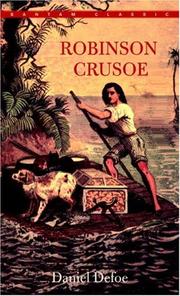
Robinson Crusoe
Daniel Defoe
Foundational castaway survival tale focused on resourcefulness and isolation.
Pick this if it was the nuts-and-bolts survival and solitary resourcefulness that appealed to you. Robinson Crusoe is the template Verne and his readers knew when imagining life on a deserted island.

Journey to the Center of the Earth
Jules Verne
Speculative exploration combining scientific curiosity with perilous adventure.
Pick this if you liked Verne’s scientific curiosity paired with high-stakes adventure. Journey to the Center of the Earth matches that blend, though its setting is subterranean rather than insular.
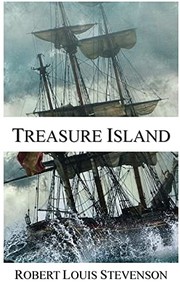
Treasure Island
Robert Louis Stevenson
High-seas adventure, marooning, and vivid period atmosphere.
Pick this if you enjoyed the high-seas element and the atmosphere of being cut off from civilization. Treasure Island shares the period feeling of maritime peril and vivid sketches of seafarers.

The Swiss Family Robinson
Johann David Wyss
Family stranded and ingeniously self-sufficient on a remote island.
Pick this if you preferred a cooperative, family-centered approach to improvisation and domestic inventiveness. The Swiss Family Robinson emphasizes household-scale engineering and steady self-sufficiency.
The Coral Island
R. M. Ballantyne
Young castaways, island survival, and Victorian moral adventure tone.
Pick this if you appreciated the Victorian moralizing and youthful-adventure angle. This is a looser fit for adult technical detail, but it echoes the island survival setup with a juvenile perspective.

King Solomon's Mines
H. Rider Haggard
Rugged expedition, treasure hunting, and colonial-era adventure pacing.
Pick this if you liked the sense of a perilous, map-spanning quest and colonial-era adventure. King Solomon’s Mines offers brisk expedition energy, though it’s focused on treasure hunting rather than improvised industry.
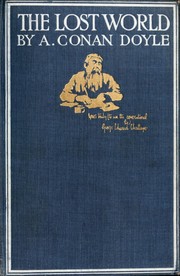
The Lost World
Arthur Conan Doyle
Perilous expedition to unknown lands with scientific stakes and action.
Pick this if the combination of field science and physical danger is what you want more of. The Lost World supplies expeditionary peril and scientific-minded protagonists, albeit with dinosaurs and plateau action.

Gulliver's Travels
Jonathan Swift
Voyage narrative blending exploration, wonder, and satirical observations.
Pick this if you’re drawn to voyage narratives that mix wonder and reflective observation. Gulliver’s Travels shares the travel-frame and exploratory tone, but it’s satirical and allegorical rather than a technical survival manual.
At a glance
Matches were chosen by three dimensions central to this book: castaway/survival focus, methodical scientific/engineering problem-solving, and connection to Verne’s wider speculative-universe elements. Each recommendation echoes at least one of those dimensions rather than duplicating the whole book.
| Book | First published | Pages | Closest match on | Match |
|---|---|---|---|---|
Twenty Thousand Leagues Under the Sea Jules Verne | 1977 | 48 | Direct Verne continuity | 95% |
Robinson Crusoe Daniel Defoe | 1686 | 274 | Foundational castaway realism | 92% |
Journey to the Center of the Earth Jules Verne | 2000 | — | Speculative scientific exploration | 90% |
Treasure Island Robert Louis Stevenson | 1880 | 248 | Marooning & sea drama | 88% |
The Swiss Family Robinson Johann David Wyss | 1979 | 320 | Family survival ingenuity | 87% |
The Coral Island R. M. Ballantyne | 1858 | 256 | Young castaways’ moral tone | 84% |
King Solomon's Mines H. Rider Haggard | 1876 | 222 | Rugged expedition pacing | 82% |
The Lost World Arthur Conan Doyle | 1900 | 238 | Scientific stakes & action | 80% |
Gulliver's Travels Jonathan Swift | 1726 | 278 | Voyage + satirical edge | 75% |
About The Mysterious Island
First serialized in 1874–1875 and published as a book in 1875, The Mysterious Island is one of Jules Verne’s later “Extraordinary Voyages.” It explicitly ties into Verne’s earlier work by revealing links to Captain Nemo and Nautilus lore. The novel blends 19th‑century scientific optimism with adventure and a streak of didactic engineering detail.
Frequently asked questions
Is The Mysterious Island connected to Twenty Thousand Leagues Under the Sea?+
Yes. The Mysterious Island reveals key connections to Captain Nemo and the Nautilus, positioning it as a late entry in Verne’s shared fictional world and resolving some mysteries left from Twenty Thousand Leagues Under the Sea.
Which book on this list shows the most similar survival engineering?+
Robinson Crusoe is the closest match for resourcefulness and improvisation in isolation — it’s the foundational castaway manual that The Mysterious Island consciously echoes.
Are there other Verne novels that feel like The Mysterious Island?+
Twenty Thousand Leagues Under the Sea and Journey to the Center of the Earth share Verne’s blend of scientific curiosity and adventurous plotting; Twenty Thousand Leagues is the most directly connected because of Captain Nemo.
Does The Mysterious Island have dinosaurs or fantastic creatures?+
Not in the same way as The Lost World. Verne focuses on realistic engineering feats and unexplained interventions rather than prehistoric beasts.
Which book should I read if I want a family‑oriented survival tale?+
The Swiss Family Robinson presents a family castaway handling day‑to‑day survival and domestic ingenuity; it emphasizes cooperative household invention in a way that mirrors The Mysterious Island’s practical problem-solving.
More books by Jules Verne
See all 22 Jules Verne guides →Want recommendations based on your own favorites?
BookTwin can match you to books by mood, pacing, themes, and emotional payoff — based on 1 to 5 books you tell it you loved.
Try BookTwin