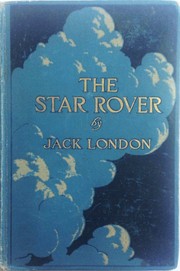
Books Like The Star Rover
by Jack London
The Star Rover is structured as a confined, almost forensic study of one man's inner life under long-term incarceration. Jack London's narrator, Darrell Standing, is strapped into a torture device the prison calls “the jacket,” and in those moments of physical crushing he experiences vivid trance-states that replay past lives and inner memories. The novel alternates between bleak, procedural details of prison routine and extended first-person visionary episodes that interrogate identity, suffering and endurance.
Readers come to The Star Rover for very different reasons: some stay for the unflinching portrait of punishment and the ways routine wears on dignity; others are drawn to the metaphysical sequences — the reincarnationlike narratives and cross-cultural vignettes — that turn the book into a philosophical odyssey. Still others will find it compelling as a moral argument about resilience and the body's limits, presented in terse, often brutal prose. The nine picks below are organized to reflect those overlapping threads: incarceration and survival, intense psychological confession, and the spiritual/transformational register that lifts the novel beyond prison fiction.
Recommended for fans of The Star Rover

The Count of Monte Cristo
Alexandre Dumas
Prison endurance, psychological transformation and spiritual vengeance across decades.
Pick this if you were most engaged by Darrell Standing’s decade-spanning suffering and the ways confinement reshapes a life; this matches on prolonged imprisonment and psychological metamorphosis.

One Day in the Life of Ivan Denisovich
Aleksandr Solzhenitsyn
Spare, powerful depiction of survival, dignity and inner life under incarceration.
Pick this if you want a spare, realist counterpoint to London’s visionary passages — read this if the book’s procedural, endurance-based sections were what gripped you most.
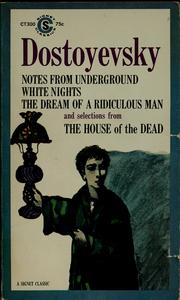
Notes from Underground
Fyodor Dostoevsky
Intense first-person psychological confession and existential introspection.
Pick this if it was the interior, bitterly honest voice and relentless self-interrogation that hooked you; this is an intense psychological monologue in the same confessional register.
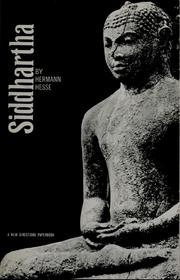
Siddhartha
Hermann Hesse
Quiet spiritual quest and reincarnation-like cycles of learning and self-discovery.
Pick this if you were drawn to Standing’s cyclical, learning-through-rebirth episodes; this shares the contemplative, inward-looking trajectory more than prison detail.
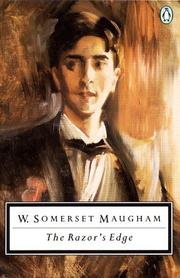
The Razor's Edge
W. Somerset Maugham
A Western seeker’s metaphysical quest and emotional austerity after trauma.
Pick this if you appreciated the book’s exploration of meaning after suffering and a solitary quest for spiritual recovery; it’s a Western-flavored counterpart to London’s metaphysical leanings.

Darkness at Noon
Arthur Koestler
Philosophical interrogation of conscience, ideology and imprisonment.
Pick this if you valued the book’s sustained ethical and ideological questioning under pressure; this pick examines conscience and ideology inside confined political systems.
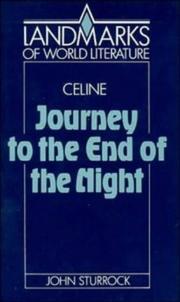
Journey to the End of the Night
Louis-Ferdinand Céline
Bleak, visceral odyssey of suffering, dark humour and moral ambiguity.
Pick this if you liked The Star Rover’s unvarnished prose and dark humour amid suffering; expect a harsher, more nihilistic tone but similar emotional rawness.

The Sea-Wolf
Jack London
Brutal physical trials paired with fierce philosophical and moral debate at sea.
Pick this if you wanted more of London’s voice exactly — the same combination of brutal physical challenge and blunt philosophical argumentation that runs through The Star Rover.
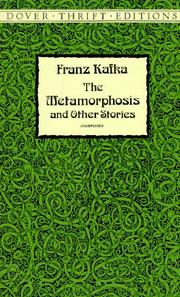
The Metamorphosis
Franz Kafka
Surreal, existential transformation exploring isolation, identity and suffering.
Pick this if it was the novel’s dreamlike, identity-shifting episodes that mattered most. This is a looser match: Kafka’s surreal metamorphosis echoes the book’s existential dislocation, but not its prison reportage.
At a glance
Matches were chosen on three dimensions central to The Star Rover: depictions of incarceration and survival; concentrated first-person psychological interrogation; and spiritual or existential transformation. Each recommendation shares at least one of those axes — some overlap more than others.
| Book | First published | Pages | Closest match on | Match |
|---|---|---|---|---|
The Count of Monte Cristo Alexandre Dumas | 1888 | — | Prison endurance & transformation | 92% |
One Day in the Life of Ivan Denisovich Aleksandr Solzhenitsyn | 1963 | 170 | Dignified day-to-day survival | 90% |
Notes from Underground Fyodor Dostoevsky | 1961 | 240 | Raw first-person confession | 86% |
Siddhartha Hermann Hesse | 1922 | 140 | Quiet spiritual questing | 84% |
The Razor's Edge W. Somerset Maugham | 1944 | 320 | Metaphysical seeker after trauma | 82% |
Darkness at Noon Arthur Koestler | 1941 | 216 | Philosophical interrogation of conscience | 80% |
Journey to the End of the Night Louis-Ferdinand Céline | 1990 | 97 | Bleak, visceral odyssey | 78% |
The Sea-Wolf Jack London | 1900 | 321 | Physical trial + moral debate | 76% |
The Metamorphosis Franz Kafka | 1996 | 96 | Surreal existential transformation | 74% |
About The Star Rover
First published in 1915, The Star Rover (published in some editions as The Jacket) is set largely in San Quentin and centers on the prisoner Darrell Standing. Jack London uses a frame of prison routine and a physical torture device to explore trance states, past-life visions and critiques of penal cruelty.
Frequently asked questions
Is The Star Rover based on Jack London’s own prison experience?+
No. The Star Rover is a work of fiction, but London drew on contemporary debates about penal practice and on vivid reportage about San Quentin; the novel’s procedural detail reflects his interest in prison conditions rather than literal incarceration.
Which Jack London titles are closest in tone to The Star Rover?+
The Sea-Wolf (included below) shares London’s appetite for brutal physical trials and philosophical debate; other London works that explore endurance and existential struggle also resonate with The Star Rover’s themes.
Do any of these picks focus mainly on survival under imprisonment?+
Yes. The Count of Monte Cristo and One Day in the Life of Ivan Denisovich both foreground prolonged incarceration and the mental strategies prisoners use to survive, though they approach scale and tone differently.
Is The Star Rover primarily a spiritual book or a prison novel?+
It’s both. The frame is a prison novel—routine, punishment and institutional cruelty—while the core of the book consists of mystical, past-life narratives that function as a sustained spiritual inquiry.
More books by Jack London
See all 15 Jack London guides →Want recommendations based on your own favorites?
BookTwin can match you to books by mood, pacing, themes, and emotional payoff — based on 1 to 5 books you tell it you loved.
Try BookTwin