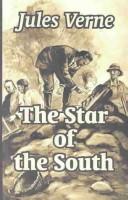
Books Like The Star of the South
by Jules Verne
The Star of the South is one of Jules Verne's focused adventure novels where a single object — a gigantic diamond — drives a transcontinental pursuit. Verne blends a theft-and-recovery plot with mining-era detail: legal claims, claims-jumping, travel across colonial South Africa, and a string of investigations and set-pieces that move the action between household parlors and rough frontier camps. The novel's pleasures are its blend of detectiveish plotting, pragmatic problem-solving, and the period’s impressions of African landscapes and colonial commerce.
Readers reach for similar books for different reasons: some want the African treasure-hunt and the sense of a remote, perilous quest; others want tight plotting around a single treasure or crime; and some simply want Vernian technical authority — the way practical detail underpins each adventure. Below are nine picks grouped by which of those aspects they most closely echo, with frank notes where a match is primarily tonal rather than structural.
Recommended for fans of The Star of the South

King Solomon's Mines
H. Rider Haggard
African treasure hunt, perilous expedition and colonial-era adventure atmosphere.
Pick this if you wanted The Star of the South's setup transposed into an interior African expedition — the lost-mine trope, local perils and the colonial‑era atmosphere.
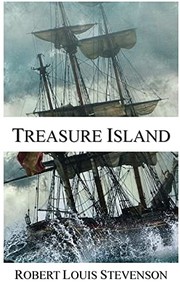
Treasure Island
Robert Louis Stevenson
Classic treasure hunt with high-seas action and swashbuckling tension.
Pick this if it was the basic treasure-hunt, pirate-tinged plotting you loved. This is a tighter, sea-focused adventure rather than a colonial mining saga, but it shares the single‑prize momentum.

She
H. Rider Haggard
Mysterious lost civilization in Africa, romance and perilous quest.
Pick this if you were drawn to the mystery and romance that can surround an unknown African interior. It leans more toward mystical grandeur and cultic romance than Verne’s technical curiosity.
The Mysterious Island
Jules Verne
Ingenious survival, scientific detail and stranded-island exploration.
Pick this if you liked Verne's reliance on technical problem-solving and practical ingenuity. The Mysterious Island provides that Vernian scientific resourcefulness in a marooned‑island setting rather than a mining one.
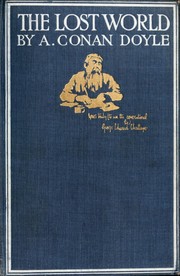
The Lost World
Arthur Conan Doyle
Exploration and discovery of a remote, dangerous place with scientific curiosity.
Pick this if you enjoyed the discovery-of-the-unknown aspect. The Lost World mirrors the thrill of finding a dangerous, unexpected place, though its emphasis is scientific curiosity rather than theft and legal wrangling.

The Count of Monte Cristo
Alexandre Dumas
Sweeping adventure, treasure, revenge and intricate plotting.
Pick this if it was The Star of the South’s ambitious, intricately plotted payoff that appealed. This is a broader, slower revenge-and-reward epic — similar structural patience, different moral stakes.

Heart of Darkness
Joseph Conrad
Dark colonial expedition into Africa, moral ambiguity and tense atmosphere.
Pick this if you wanted an African expedition that foregrounds moral ambiguity and psychological tension. This one is a tonal shift — darker and more introspective than Verne's procedural adventure.
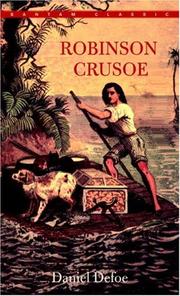
Robinson Crusoe
Daniel Defoe
Marooned survival tale with resourcefulness and adventure themes.
Pick this if you were after resourcefulness-in-extreme-conditions. This is a foundational castaway tale and is a looser match if your main interest was the African treasure element.
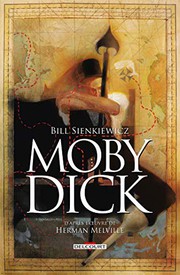
Moby-Dick
Herman Melville
Obsessive maritime quest, richly detailed seafaring adventure and peril.
Pick this if it was an obsessive, single‑minded pursuit you appreciated. Moby‑Dick echoes the all-consuming chase aspect, but it's maritime and philosophically denser rather than a colonial treasure story.
At a glance
Matches focus on three dimensions of The Star of the South: (1) an African or colonial setting and expeditionary atmosphere, (2) a single-object treasure/quest driving the plot, and (3) Verne’s mix of practical technical detail with adventure. Each recommendation lists which of those it emphasizes.
| Book | First published | Pages | Closest match on | Match |
|---|---|---|---|---|
King Solomon's Mines H. Rider Haggard | 1876 | 222 | African treasure-hunt | 94% |
Treasure Island Robert Louis Stevenson | 1880 | 248 | Classic treasure hunt | 90% |
She H. Rider Haggard | 1886 | 282 | Lost civilization romance | 88% |
The Mysterious Island Jules Verne | 1895 | 656 | Ingenious survival & detail | 85% |
The Lost World Arthur Conan Doyle | 1900 | 238 | Exploration & discovery | 82% |
The Count of Monte Cristo Alexandre Dumas | 1888 | — | Sweeping plotted payoff | 80% |
Heart of Darkness Joseph Conrad | 1899 | 136 | Dark colonial expedition | 76% |
Robinson Crusoe Daniel Defoe | 1686 | 274 | Marooned survival theme | 75% |
Moby-Dick Herman Melville | 1851 | 452 | Obsession-driven quest | 70% |
About The Star of the South
Originally published in French as L'Étoile du Sud, The Star of the South is a 19th-century adventure by Jules Verne that centers on the theft and recovery of a celebrated diamond and the legal, logistical and personal conflicts that follow. The novel reflects Verne’s interest in mining, transport and the mechanics of investigation, and belongs to his later, globe-conscious phase.
Frequently asked questions
Which book here most closely matches the African treasure-hunt aspect?+
King Solomon's Mines is the closest match for an African treasure-hunt atmosphere — it shares the same colonial‑era setting, the sense of a perilous expedition and the template of outsiders searching for wealth inland.
I loved the single valuable object and the legal/pursuit plot — what should I read next?+
The Count of Monte Cristo mirrors the idea of a single object or grievance structuring an expansive plot; it substitutes the diamond for a years‑long scheme of revenge and meticulously arranged payoffs.
Are there other Jules Verne books that feel similar?+
Yes. The Mysterious Island shares Verne’s reliance on technical ingenuity and survival know‑how, while his other novels often mix scientific detail with adventure in the same way as The Star of the South.
Which pick gives the colonial setting with a darker, more ambiguous tone?+
Heart of Darkness offers a much darker, morally ambiguous expedition into Africa. It’s a tone shift from Verne’s problem-solving voice, so expect psychological intensity rather than a treasure-chase mechanics.
Do any of these capture the maritime or seafaring element of Verne’s adventure work?+
Treasure Island and Moby‑Dick supply seafaring adventure in very different registers: Treasure Island provides classic swashbuckling treasure-hunt action, while Moby‑Dick explores obsessive maritime pursuit with encyclopedic detail.
More books by Jules Verne
See all 22 Jules Verne guides →Want recommendations based on your own favorites?
BookTwin can match you to books by mood, pacing, themes, and emotional payoff — based on 1 to 5 books you tell it you loved.
Try BookTwin