
Books Like The Purchase of the North Pole
by Jules Verne
The Purchase of the North Pole is quintessential Verne: an elaborate scientific scheme examined with comic distance, meticulous technical detail, and satirical attention to how public institutions and private ambition collide. Verne stages a municipal campaign to tilt the Earth's axis by mining under the North Pole — a premise built around patent paperwork, engineering diagrams, newspaper politics and a parade of would-be investors. The novel's pleasures come from watching rational-sounding plans unravel under practical realities and human folly.
If you liked The Purchase of the North Pole, you might have been drawn to its specific mix of things: a high-concept engineering premise, biting satire of scientific and civic boosterism, and a methodical, detail-rich narration that treats farcical outcomes with evidentiary seriousness. Some readers respond most to the mock-epistemology (how bad plans are justified with numbers), others to the cartoonish cast of promoters and skeptics, and others to Verne’s affection for machines even as he lampoons their wielders. The selections below match those different angles — from Verne’s own grand adventures to works that lean harder into satire, horror or philosophical speculation.
Recommended for fans of The Purchase of the North Pole

Twenty Thousand Leagues Under the Sea
Jules Verne
Grand scientific adventure with wonder, exploration, and Verne's technical imagination.
Pick this if you want Verne’s biggest-scale technical wonder coupled with the same meticulous reporting of machinery and scientific argument — this is the closest internal match.

From the Earth to the Moon
Jules Verne
Madcap engineering scheme and satirical take on scientific ambition.
Pick this if you loved the book’s mock‑technical scheme and satirical sendup of inventors and committees. From the Earth to the Moon tightens that model into an audacious, comic engineering project.

Journey to the Center of the Earth
Jules Verne
Bold speculative expedition blending scientific curiosity and pulpy adventure.
Pick this if it was Verne’s blend of scientific curiosity and pulp adventure that appealed to you. Journey to the Center of the Earth swaps civic satire for subterranean exploration but keeps the narrated‑by‑an‑amateur‑expert voice.

Around the World in Eighty Days
Jules Verne
Swift-paced, globe-trotting romp with Victorian-era technological optimism.
Pick this if you primarily enjoyed Victorian-era technological optimism presented as a brisk romp. This is a lighter, travel-oriented match rather than a direct satire of scientific institutions.
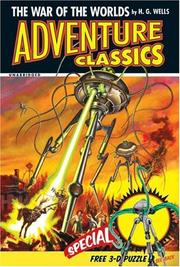
The War of the Worlds
H. G. Wells
Speculative catastrophe driven by scientific ideas and social commentary.
Pick this if you’re interested in the darker consequences of speculative science. This share is thematic: both works stage scientific ideas that threaten society, though Wells’s tone is more apocalyptic than Verne’s satirical register.

The Time Machine
H. G. Wells
Philosophical speculative premise paired with Victorian social critique.
Pick this if you liked the book’s willingness to pose a single speculative device and let it carry moral and social implications. This is a more philosophical, compact treatment rather than an engineering comedy.

The Island of Doctor Moreau
H. G. Wells
Chilling ethical science tale mixing satire, horror, and speculative biology.
Pick this if the moral unease about how science is used is what hooked you. This match leans toward chilling ethical questions in speculative biology rather than the civic‑engineering satire of Verne.

Gulliver's Travels
Jonathan Swift
Sharp satirical voyages that skew society, science, and human folly.
Pick this if you were drawn to the satirical impulse — mocking human institutions and follies through travel and invented societies. It’s an older, more explicitly satirical approach than Verne’s often affectionate irony.

Frankenstein
Mary Shelley
Foundational science-gone-wrong moral tale with Romantic-era science anxieties.
Pick this if you want the moral, cautionary side of speculative invention emphasized. This is a foundational ‘science‑gone‑wrong’ narrative and fits if you want a darker moral counterpoint to Verne’s comic treatment.
At a glance
These matches were chosen for how they echo this book’s defining elements: audacious scientific premises, satirical treatment of expertise and policy, and a narrator who presents technical minutiae with deadpan seriousness. Higher percentages indicate a closer overlap on those dimensions.
| Book | First published | Pages | Closest match on | Match |
|---|---|---|---|---|
Twenty Thousand Leagues Under the Sea Jules Verne | 1977 | 48 | Grand scientific imagination | 94% |
From the Earth to the Moon Jules Verne | 1900 | 308 | Madcap engineering satire | 92% |
Journey to the Center of the Earth Jules Verne | 2000 | — | Speculative expedition spirit | 90% |
Around the World in Eighty Days Jules Verne | 2013 | 180 | Technological optimism & tempo | 85% |
The War of the Worlds H. G. Wells | 1946 | 206 | Science-as-catastrophe theme | 83% |
The Time Machine H. G. Wells | 1895 | 120 | Philosophical speculative premise | 80% |
The Island of Doctor Moreau H. G. Wells | 2017 | 192 | Ethics of scientific practice | 78% |
Gulliver's Travels Jonathan Swift | 1726 | 278 | Satirical voyage & social skewering | 76% |
Frankenstein Mary Shelley | 1818 | 240 | Science‑gone‑wrong cautionary tale | 75% |
About The Purchase of the North Pole
First serialized in 1889 and published in book form soon after, The Purchase of the North Pole (also published as Sans dessus dessous) is one of Jules Verne’s later novels in his Voyages Extraordinaires cycle. Verne drew on contemporary debates about polar exploration, mining and the authority of scientific committees to satirize the era’s boosterism while showcasing his technical imagination.
Frequently asked questions
Which Jules Verne novels feel most like The Purchase of the North Pole?+
Twenty Thousand Leagues Under the Sea, From the Earth to the Moon and Journey to the Center of the Earth are the closest: they share Verne’s appetite for speculative engineering, page‑by‑page technical description, and a narrator who treats wonder and absurdity with the same analytical tone.
Is The Purchase of the North Pole primarily satire or science fiction?+
It's both. Verne stages a technically detailed speculative project while satirizing the civic and commercial forces that promote grand schemes. If you prefer the satire more than the engineering, From the Earth to the Moon leans even further into lampooning technological hubris.
Should I read more Verne after this? Which ones next?+
If you enjoyed the detailed speculative apparatus, read Twenty Thousand Leagues Under the Sea for grand scientific adventure, or From the Earth to the Moon for a tighter, madcap engineering plot. For an exploratory spirit with pulpy adventure, Journey to the Center of the Earth moves the speculative framework into an expedition.
Are any of the listed books non‑Verne and still a good match?+
Yes. Several non‑Verne titles on the list engage similar themes — for example, The War of the Worlds interrogates scientific catastrophe, while Gulliver’s Travels is an older model of satirical voyages. Those are looser matches in tone or purpose, not direct replications of Verne’s method.
More books by Jules Verne
See all 22 Jules Verne guides →Want recommendations based on your own favorites?
BookTwin can match you to books by mood, pacing, themes, and emotional payoff — based on 1 to 5 books you tell it you loved.
Try BookTwin