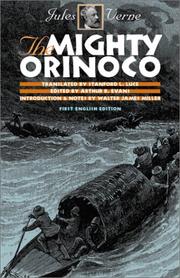
Books Like The Mighty Orinoco
by Jules Verne
The Mighty Orinoco is a river-bound adventure that combines a mapped voyage, a string of ethnographic curiosities, and an almost-antique natural-history impulse. Verne sends a small party down the Orinoco in search of a missing heiress, and the novel's pleasures come from its steady forward motion: jungle villages, surprising cliffs, improvised raft-and-boat travel, local customs described in period detail, and a Victorian appetite for cataloguing flora, fauna and regional spectacles. The narrative frequently pauses to solve practical obstacles — navigation, logistics, and mistaken identities — which keeps the plot both episodic and purposeful.
Readers who respond to Verne's Orinoco tend to be engaged by concrete, place-based exploration rather than abstract symbolism. You might have loved the book for its depiction of riverine landscapes and encounters with the unfamiliar; for the moral‑tone, imperial-era viewpoint that colors every interaction; or for the way the plot blends a rescue quest with scientific curiosity. Below are nine books chosen because each echoes one or more of those elements: jungle expedition, claustrophobic river travel, Victorian-era exploration ethics, or the focused, logistics-driven problem solving that carries the story forward.
Recommended for fans of The Mighty Orinoco
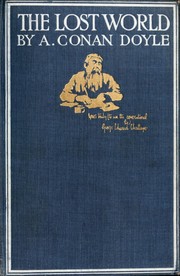
The Lost World
Arthur Conan Doyle
Riverine jungle expedition, dinosaurs, and pulsing Victorian adventure.
Pick this if you want the same pulpy, on-the-water exploration of remote jungle regions. This is the closest atmospheric match: both novels center river expeditions that uncover surprising geography and exoticized natural phenomena.

Heart of Darkness
Joseph Conrad
Dark, atmospheric Congo river journey probing colonialism and existential dread.
Pick this if you appreciated the Orinoco’s claustrophobic stretches and want a far darker, psychological take on river travel and colonial consequences. Be warned: this is a thematic and tonal deepening, not a straightforward adventure.

King Solomon's Mines
H. Rider Haggard
Treasure-seeking African expedition with pulpy adventure and perilous landscapes.
Pick this if it was the Victorian expedition machinery — hired guides, maps, and the constant negotiation with unfamiliar terrain — that appealed. Expect a more goal-driven treasure quest rather than a rescue-by-river plot.
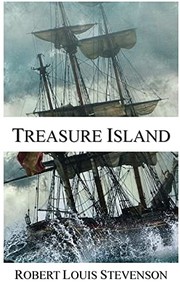
Treasure Island
Robert Louis Stevenson
Seafaring treasure hunt, vivid characters, and classic 19th-century adventure pacing.
Pick this if you liked the adventure backbone and clear, bold characters but would prefer a maritime treasure hunt with sharper, compact set-pieces. This keeps the old-school pacing though it trades river jungle for open sea.
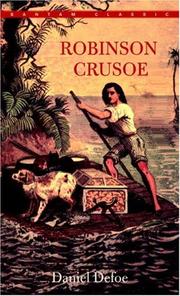
Robinson Crusoe
Daniel Defoe
Isolated survival and colonial-era exploration with a strong voyage narrative.
Pick this if you liked the travel-and-survival elements of Verne’s writing and want a prolonged, solitary survival story anchored in voyage narrative. This is less about group expedition logistics and more about an individual’s endurance.
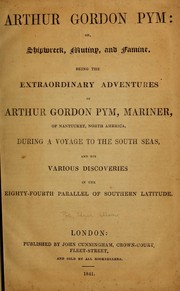
The Narrative of Arthur Gordon Pym
Edgar Allan Poe
Claustrophobic sea voyage turned mysterious, uncanny exploration of the unknown.
Pick this if you responded to the Orinoco’s stranger-than-expected episodes and want a more claustrophobic, uncanny maritime journey. Expect dense, dreamlike moments and ambiguous, unsettling events rather than steady cataloguing.

The Coral Island
R.M. Ballantyne
Boyhood castaway adventure on exotic islands with Victorian moral tone.
Pick this if you enjoyed the simpler moral tones and island-bound encounters of Verne’s travel episodes and don’t mind a younger‑skewing, didactic approach. This is lighter and more moralizing than The Mighty Orinoco.
Moby-Dick
Herman Melville
Epic sea odyssey blending adventure, obsession, and vivid natural description.
Pick this if the lush, encyclopedic natural descriptions and long meditations on the sea’s power were the part you loved. This delivers grand, poetic naturalism, though its focus is whaling and obsession rather than river exploration.
The Riddle of the Sands
Erskine Childers
Sailing, exploration, and tense coastal espionage with detailed nautical realism.
Pick this if it was the technical, nautical-detail side of Verne — charts, seamanship, and tight coastal piloting — that interested you. This is more about small-boat sailing and intelligence intrigue than jungles or rivers.
At a glance
Matches below are chosen by how much each book shares with The Mighty Orinoco’s dominant features: river or jungle expedition atmosphere, episodic obstacle-solving on the move, Victorian exploration ethics, and vivid natural or nautical description.
| Book | First published | Pages | Closest match on | Match |
|---|---|---|---|---|
The Lost World Arthur Conan Doyle | 1900 | 238 | Riverine jungle expedition | 94% |
Heart of Darkness Joseph Conrad | 1899 | 136 | Dark river psychological critique | 92% |
King Solomon's Mines H. Rider Haggard | 1876 | 222 | Treasure-seeking expedition spirit | 90% |
Treasure Island Robert Louis Stevenson | 1880 | 248 | Seafaring adventure pacing | 88% |
Robinson Crusoe Daniel Defoe | 1686 | 274 | Castaway & survival narrative | 86% |
The Narrative of Arthur Gordon Pym Edgar Allan Poe | 1838 | 203 | Uncanny sea voyage & mystery | 83% |
The Coral Island R.M. Ballantyne | 1907 | 256 | Juvenile stranded-island adventure | 81% |
Moby-Dick Herman Melville | 1851 | 452 | Epic natural description & obsession | 79% |
The Riddle of the Sands Erskine Childers | 1903 | 299 | Nautical realism & coastal navigation | 76% |
About The Mighty Orinoco
The Mighty Orinoco (Le Superbe Orénoque) is one of Jules Verne's late-19th-century works in his Voyages Extraordinaires series. It frames a search-and-rescue voyage down the Orinoco River and reflects Verne's interest in geography, ethnography and the technical details of travel. The novel has been read both as adventure fiction and as a document of European perspectives on South America in Verne's era.
Frequently asked questions
Is The Mighty Orinoco a good example of Verne’s exploration novels?+
Yes. It embodies Verne’s combination of geographical curiosity, travel logistics and an adventure premise (a search for a missing person). If you want other Verne novels in the same vein, look to his other Voyages Extraordinaires works for similar expedition-driven plotting.
Which book here is closest in atmosphere to Verne’s Orinoco jungle?+
Arthur Conan Doyle’s The Lost World is the closest atmospheric match: a riverine jungle expedition, pulpy encounters with the extraordinary, and a sustained focus on exploration in a wild environment.
Which picks critique colonialism or take a darker view of river travel?+
Joseph Conrad’s Heart of Darkness offers a much darker, more psychological and critical portrayal of a Congo river journey; it shares the river-as-stage aspect but turns Verne’s cataloguing curiosity toward existential and colonial critique.
Are these picks mostly nineteenth-century adventure novels?+
Most are nineteenth- and early-twentieth-century works that share the period’s exploration impulses, though their tones range from pulpy adventure to intense psychological study. Each was chosen for how it echoes an aspect of The Mighty Orinoco.
Is The Mighty Orinoco suitable for modern readers given its period attitudes?+
The novel contains the era’s colonial assumptions and ethnographic framing, so modern readers often read it with an awareness of those limits. If you want the same adventurous plotting with a sharper critique of imperialism, see Heart of Darkness as listed below.
More books by Jules Verne
See all 22 Jules Verne guides →Want recommendations based on your own favorites?
BookTwin can match you to books by mood, pacing, themes, and emotional payoff — based on 1 to 5 books you tell it you loved.
Try BookTwin