
Books Like The Master of the World
by Jules Verne
The Master of the World is a compact, high-octane chase built around one central mechanic: an almost-supernatural machine and the civic panic it provokes. Jules Verne stages a series of set-piece encounters between townspeople, police and a single, enigmatic inventor whose multi-terrain vehicle — faster than any known conveyance of its day and capable of flight, surface travel and amphibious operation — upends ordinary life. The novel reads like a prolonged manhunt: short, urgent scenes; technical descriptions that make the machine feel plausibly real; and a mounting moral question about invention and responsibility.
Readers come to this book for different reasons. Some want the proto-science‑fiction spectacle: a brilliant but unsettling technologist reshaping the physical world. Others prefer the relentless pursuit structure — repeated sightings, serialized tension and escalating stakes. And a third kind of reader enjoys Verne’s measured technical detail: diagrams, operational limits and methodical attempts to contain a new threat. The selections below are organized to reflect those dimensions rather than simple genre labels.
Recommended for fans of The Master of the World
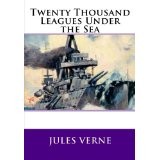
20,000 Leagues Under the Seas
Jules Verne
High-seas technological adventure driven by a brilliant, enigmatic inventor-captain.
Pick this if you wanted more of Verne’s ambiguous genius figure and lengthy technical descriptions — this is the closest tonal and thematic match within Verne’s own work.
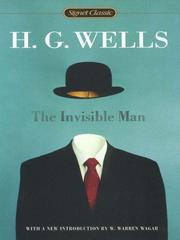
The Invisible Man
H. G. Wells
Mad-scientist thriller with moral tension and frantic pursuit sequences.
Pick this if you liked the moral tension around a single dangerous intellect and the frantic chase; this shares the thriller energy, though Dumas’s plotting unfolds on a broader social scale rather than around one machine.

The Island of Doctor Moreau
H. G. Wells
Dark scientific obsession and ethical horror, isolated setting and creeping dread.
Pick this if you’re drawn to experiments that cross ethical lines and produce creeping dread; note that this is a psychological and ethical cousin rather than a mechanical one.
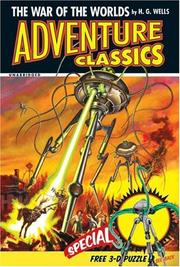
The War of the Worlds
H. G. Wells
Relentless technological menace and tense, fast-moving survival narrative.
Pick this if you want an extended account of a superior, destructive force disrupting everyday life; it mirrors The Master of the World’s impression of an unstoppable, modern technological threat.
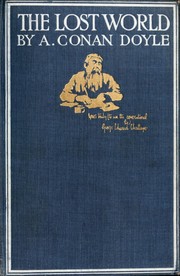
The Lost World
Arthur Conan Doyle
Exploration-driven adventure with scientific curiosity and perilous discoveries.
Pick this if scientific curiosity and perilous discoveries are what hooked you; this matches the era’s exploratory spirit, though it’s organized as an expedition rather than a manhunt.
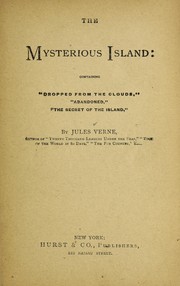
The Mysterious Island
Jules Verne
Ingenious survival, inventive engineering, and mysterious benefactor elements.
Pick this if you liked Verne’s engineering solutions and the reveal of a mysterious benefactor; it shares methodical problem-solving and inventive improvisation.

Journey to the Center of the Earth
Jules Verne
Pulse-quickening scientific expedition with wonder, danger, and inventive problem-solving.
Pick this if you want big‑idea science driving perilous action and inventive escapes; it’s more about wonder and underground peril than a single, mobile menace.

The Thirty-Nine Steps
John Buchan
Taut man-on-the-run thriller and relentless pursuit across landscape.
Pick this if the breathless, man-on-the-run tempo was the main appeal. This is a lean, suspense-focused analogue — shorter and more modern in its thriller mechanics than Verne’s descriptive style.
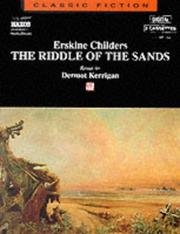
The Riddle of the Sands
Erskine Childers
Low-key maritime espionage with atmospheric tension and investigative pacing.
Pick this if you appreciated the atmospheric, technical detail and slow-building investigative pacing. This is a low-key, realistic maritime thriller; it shares investigative mood more than speculative machinery.
At a glance
Matches were chosen for three core dimensions of The Master of the World: a central, destabilizing technology or inventor; a sustained pursuit/manhunt rhythm; and detailed, quasi‑technical exposition. Each recommendation shares some subset of those elements.
| Book | First published | Pages | Closest match on | Match |
|---|---|---|---|---|
20,000 Leagues Under the Seas Jules Verne | 1998 | 96 | Enigmatic inventor-captain | 92% |
The Invisible Man H. G. Wells | 1954 | 170 | Mad-scientist pursuit | 89% |
The Island of Doctor Moreau H. G. Wells | 2017 | 192 | Dark scientific obsession | 86% |
The War of the Worlds H. G. Wells | 1946 | 206 | Relentless technological menace | 85% |
The Lost World Arthur Conan Doyle | 1900 | 238 | Expedition & discovery | 83% |
The Mysterious Island Jules Verne | 1895 | 656 | Ingenious survival & mystery | 80% |
Journey to the Center of the Earth Jules Verne | 2000 | — | Pulse-quickening scientific voyage | 78% |
The Thirty-Nine Steps John Buchan | 1915 | 116 | Taut pursuit thriller | 75% |
The Riddle of the Sands Erskine Childers | 1903 | 299 | Maritime investigation & tension | 73% |
About The Master of the World
Le Maître du monde was first published in 1904 and revisits the figure of Robur, Verne’s brilliant and domineering inventor, previously seen in Robur the Conqueror. It blends late‑Victorian technological imagination with Verne’s characteristic emphasis on engineering detail and procedural pursuit. The novel sits at the intersection of adventure tale, techno-thriller and moral fable.
Frequently asked questions
Is The Master of the World part of a series?+
It is a follow-up to Verne’s Robur the Conqueror and reuses the same inventor‑figure, but it stands on its own: you can read it without prior knowledge of Robur.
Which Jules Verne books explore similar themes?+
For comparable technical invention and inventor-figures, Twenty Thousand Leagues Under the Seas shares the same focus on a brilliant, ambiguous captain; The Mysterious Island and Journey to the Center of the Earth offer similar engineering ingenuity and survival problem-solving.
If I liked the hunt and man-on-the-run tension, what should I read next?+
The Thirty-Nine Steps is the closest tonal match for relentless pursuit and compact, breathless tempo; Twenty Thousand Leagues Under the Seas gives you the inventor‑captain dynamic from Verne’s own catalogue.
Is The Master of the World science fiction or adventure?+
It sits between both. Verne grounds speculative machinery in detailed mechanics and uses those mechanics to drive adventure-driven set pieces; expect technical diagrams and a chase narrative in equal measure.
More books by Jules Verne
See all 22 Jules Verne guides →Want recommendations based on your own favorites?
BookTwin can match you to books by mood, pacing, themes, and emotional payoff — based on 1 to 5 books you tell it you loved.
Try BookTwin