
Books Like The Lighthouse at the End of the World
by Jules Verne
The Lighthouse at the End of the World is a compact, rugged strain of Jules Verne: a remote outpost, a tiny cadre of keepers, and lawlessness that washes ashore in the form of ruthless wreckers. Verne compresses atmospheric detail — the lash of wind, the mechanical life of a lantern, the maplike isolation of an island — into a claustrophobic confrontation between civilized routine and deliberate piracy. The plot centers on survival and moral resistance rather than large-scale exploration: keepers must improvise defenses, jury-rig signals, and outwit a band of cutthroats determined to turn the sea into their plunder-ground.
Readers who love this book often respond to very particular elements. Some come for the coastal, nautical atmosphere and finely observed lighthouse mechanics; others for the moral pressure-cooker of a few characters trapped together; and some for the novel’s steady, suspenseful escalation from routine duty into pitched conflict. Below are nine books chosen because each shares one or more of those precise features — whether it’s small-boat coastal tension, an obsessive sea captain, or the ethical stakes of isolated life by the waves — with notes on where the resemblance is strongest and where it diverges.
Recommended for fans of The Lighthouse at the End of the World
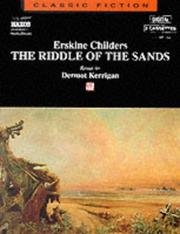
The Riddle of the Sands
Erskine Childers
Tense coastal espionage and small-boat sailing with 19th-century atmosphere.
Pick this if you want relentless, small-boat coastal tension and precise navigation detail — this is the closest tonal and technical match, with a similar feel of confined waters and human plotting.

The Sea-Wolf
Jack London
Brutal seafaring adventure and psychological clash aboard an isolated vessel.
Pick this if you liked Verne’s turn to raw human conflict and want that intensified into a psychological duel aboard a ship; expect harsher violence and a more overtly philosophical captor figure.
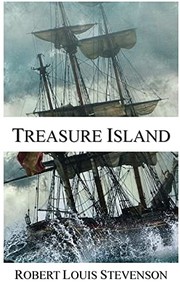
Treasure Island
Robert Louis Stevenson
Classic swashbuckling island adventure, shipboard tension and vivid atmosphere.
Pick this if you’re drawn to shipboard tension, island settings and swashbuckling danger. It’s brighter and more piratical in tone, but it shares the island-versus-crew dynamics.
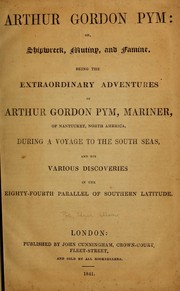
The Narrative of Arthur Gordon Pym
Edgar Allan Poe
Dark, uncanny sea voyage and shipwrecks that echo Verne's isolation themes.
Pick this if you appreciated Verne’s eerie, survival-at-sea sequences and want a rawer, more gothic voyage into the uncanny — it’s stranger and less technocratic than Verne, but thematically resonant.
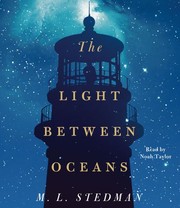
The Light Between Oceans
M.L. Stedman
Lighthouse keepers, moral dilemmas, and remote coastal atmosphere.
Pick this if the human and ethical consequences of life at a lighthouse were what interested you. This modern novel mirrors the intimate dilemmas of isolated keepers more directly than most Victorian adventure tales.
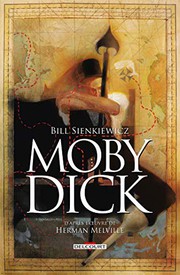
Moby-Dick
Herman Melville
Epic sea narrative, obsessive captain, and vivid maritime detail.
Pick this if it was Verne’s appetite for exhaustive sea knowledge and an obsessive captain that pulled you in. This is longer, denser and philosophically weightier, but it shares Verne’s technical immersion in seafaring life.
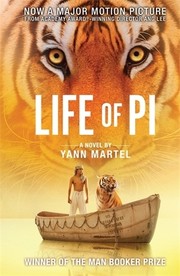
Life of Pi
Yann Martel
Survival at sea, philosophical depth, and intense solitude.
Pick this if you liked the survivalist solitude of Verne’s keepers and want a pared-down, allegorical meditation on a single person’s endurance. The mood is more philosophical and symbolic than Verne’s straightforward plotting.
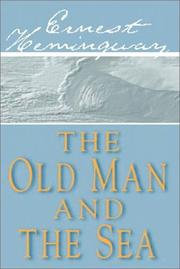
The Old Man and the Sea
Ernest Hemingway
Spartan, lyrical tale of one man's solitary struggle at sea.
Pick this if you appreciated compressed, lyrical accounts of solitary maritime struggle. It’s minimal and almost fable-like, offering a different, more intimate tone than Verne’s adventure framework.
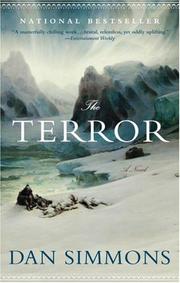
The Terror
Dan Simmons
Claustrophobic, historical maritime horror and slow-building dread in isolation.
Pick this if you want slow-building, claustrophobic horror in a historical seafaring setting. This channelizes Verne’s isolation and dread into a much darker, horror-inflected register.
At a glance
Matches were chosen by the specific elements that define this book: remote lighthouse/island settings, shipboard or coastal tension, small-cast moral confrontations, and meticulous maritime detail. Each pick shares one or more of those dimensions rather than being a generic seafaring label.
| Book | First published | Pages | Closest match on | Match |
|---|---|---|---|---|
The Riddle of the Sands Erskine Childers | 1903 | 299 | Coastal espionage & seamanship | 92% |
The Sea-Wolf Jack London | 1900 | 321 | Brutal seafaring psychology | 90% |
Treasure Island Robert Louis Stevenson | 1880 | 248 | Shipboard mutiny & treasure | 88% |
The Narrative of Arthur Gordon Pym Edgar Allan Poe | 1838 | 203 | Dark, uncanny shipwrecks | 85% |
The Light Between Oceans M.L. Stedman | 2012 | 352 | Lighthouse moral drama | 84% |
Moby-Dick Herman Melville | 1851 | 452 | Maritime obsession & detail | 83% |
Life of Pi Yann Martel | 2000 | 349 | Solo survival at sea | 80% |
The Old Man and the Sea Ernest Hemingway | 1952 | 132 | Spartan solitary struggle | 78% |
The Terror Dan Simmons | 2007 | 770 | Historical maritime dread | 76% |
About The Lighthouse at the End of the World
Written near the end of Jules Verne’s career and first published posthumously, The Lighthouse at the End of the World draws on late-19th-century maritime concerns about wrecking and navigation. Verne frames the story on an isolated South American island and foregrounds technical detail about lighthouse operation and seafaring life. The novel exists both as adventure fiction and as a meditation on law, civilization and the sea.
Frequently asked questions
Is The Lighthouse at the End of the World based on a true lighthouse?+
The novel is not a direct historical account, but Verne drew on reports of remote lighthouses, wrecking practices and South Atlantic navigation. If you want nonfiction about lighthouse life you should look beyond this list; for fictional treatments of lighthouses and their moral dilemmas, The Light Between Oceans is the closest emotional analogue here.
Which of these is the best match for the novel’s isolation and suspense?+
For claustrophobic isolation and escalating dread among a small group, The Riddle of the Sands and The Sea-Wolf are the strongest matches. Riddle of the Sands reproduces close coastal tension, while The Sea-Wolf turns isolation into a sustained psychological clash.
Are there books here that emphasize nautical technical detail like Verne does?+
Yes. Moby-Dick shares Verne’s appetite for maritime minutiae and an encyclopedic feel about ships and the sea, though it’s much more philosophical and expansive. The Riddle of the Sands also foregrounds seamanship and coastal navigation in a tightly plotted way.
Which picks match the book’s moral or psychological intensity?+
The Sea-Wolf and The Narrative of Arthur Gordon Pym are the closest for moral extremity and uncanny psychological pressure at sea; each interrogates leadership, brutality and survival in ways that echo Verne’s darker scenes.
Is this novel suitable for readers who prefer modern psychological realism?+
It’s a Victorian adventure with some melodramatic turns, but The Light Between Oceans is the closest emotional, modern analogue on this list — its lighthouse keepers face intimate moral dilemmas and real-world consequences in a more contemporary style.
More books by Jules Verne
See all 22 Jules Verne guides →Want recommendations based on your own favorites?
BookTwin can match you to books by mood, pacing, themes, and emotional payoff — based on 1 to 5 books you tell it you loved.
Try BookTwin