
Books Like The Castle of the Carpathians
by Jules Verne
The Castle of the Carpathians blends two very specific ingredients: a classic Central European Gothic setting (a ruined mountaintop castle, superstitious villagers, midnight apparitions) and Jules Verne’s contrary impulse to explain the uncanny through late‑19th‑century technology. The plot threads a brooding mystery — a reanimated image, secret laboratories and obsessive longing — through a landscape of fog, bell towers and ancestral grudges, so the novel feels like a ghost story told with a science‑fictioner's toolbox.
If you loved The Castle of the Carpathians, ask yourself which strand pulled you in: the old‑world castle and atmosphere of dread; the ethical unease around scientific hubris; the melodramatic, Gothic plotting; or the novel’s deliberate teasing between supernatural and rational explanation. The nine books below are organized to reflect those different appeals — some are atmosphere-first Gothic classics, others probe the same science‑versus-supernatural tension, and a few echo Verne’s interest in investigation and unraveling a staged mystery.
Recommended for fans of The Castle of the Carpathians
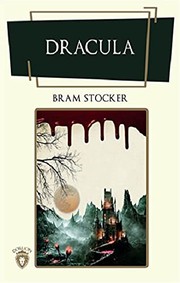
Dracula
Bram Stoker
Classic Gothic castle, creeping dread, scientific inquiry versus supernatural menace.
Pick this if you wanted the same brooding, ruined‑castle setting and the moral clash between superstition and inquiry. This is the closest match on atmosphere.
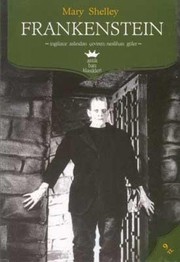
Frankenstein
Mary Shelley
Science and obsession create a brooding, tragic Gothic atmosphere and moral questions.
Pick this if it was Verne’s exploration of science turned dangerous that gripped you. Frankenstein deepens the ethical and tragic consequences of obsessive creation.
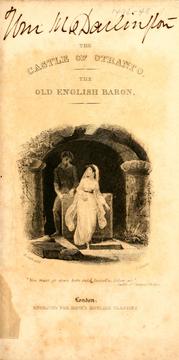
The Castle of Otranto
Horace Walpole
Foundational Gothic castle tale with eerie omens and melodramatic atmosphere.
Pick this if you wanted the origin story of many castle conventions Verne uses. This is a prototype Gothic melodrama — useful context rather than a direct plot twin.
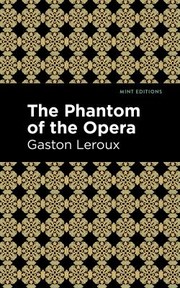
The Phantom of the Opera
Gaston Leroux
Haunted romantic mystery in labyrinthine architecture and theatrical menace.
Pick this if you enjoyed the combination of architecture and staged terror. Phantom of the Opera shares Verne’s use of hidden passages and theatrical spectacle to create dread.

The Woman in White
Wilkie Collins
Victorian mystery with secrets, suspenseful plotting, and haunting female figures.
Pick this if it was the layered mysteries and revelation-driven plotting you preferred. This novel offers a sustained, Victorian puzzle atmosphere with haunting figures at its core.
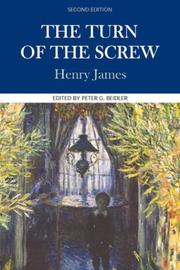
The Turn of the Screw
Henry James
Psychological Gothic novella blending eerie children, ambiguous supernatural tension.
Pick this if you liked the ambiguous line between imagined and real supernatural forces. This novella tightens that ambiguity into a claustrophobic, psychological frame.
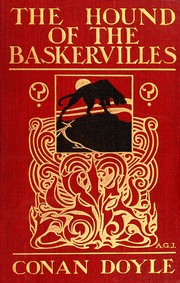
The Hound of the Baskervilles
Arthur Conan Doyle
Moody moors, ancestral curse atmosphere, and rational investigation of the uncanny.
Pick this if you appreciated the methodical, detective‑style unraveling of eerie events. This one dispenses Gothic atmosphere across a moody landscape while keeping a rational investigator at the center.
The Monk
Matthew Gregory Lewis
Dark, transgressive Gothic with moral collapse and supernatural-tinged horror.
Pick this if you wanted darker, more morally transgressive Gothic impulses than Verne usually embraces. This is grimmer and more shocking in its moral collapse.

The King in Yellow
Robert W. Chambers
Weird, decaying atmosphere and uncanny short tales mixing madness and the supernatural.
Pick this if you liked Verne’s uncanny atmosphere but want it condensed into short, weird tales that emphasize decay and madness. This is a looser fit tonally, offering fragments of uncanny mood rather than a single castle mystery.
At a glance
Matches were chosen on three axes specific to this book: Gothic atmosphere and castle setting, the tension between technological explanation and supernatural suggestion, and a melodramatic, investigatory plotting style. Each recommended title shares one or more of those dimensions.
| Book | First published | Pages | Closest match on | Match |
|---|---|---|---|---|
Dracula Bram Stoker | 1897 | 384 | Castle Gothic atmosphere | 95% |
Frankenstein Mary Shelley | 1818 | 240 | Science vs. monstrosity | 92% |
The Castle of Otranto Horace Walpole | 1764 | 114 | Foundational Gothic tropes | 90% |
The Phantom of the Opera Gaston Leroux | 2019 | 232 | Labyrinthine, theatrical menace | 88% |
The Woman in White Wilkie Collins | 1859 | 544 | Victorian suspense & secrets | 86% |
The Turn of the Screw Henry James | 1898 | 160 | Ambiguous psychological chills | 84% |
The Hound of the Baskervilles Arthur Conan Doyle | 1900 | 207 | Rational investigation of the uncanny | 82% |
The Monk Matthew Gregory Lewis | 1794 | 445 | Transgressive Gothic intensity | 80% |
The King in Yellow Robert W. Chambers | 1895 | 228 | Weird, decaying unease | 76% |
About The Castle of the Carpathians
First published in French as Le Château des Carpathes in 1892, Jules Verne’s novella is set in the Carpathian mountains and was conceived during the author’s late period of combining adventure narratives with speculative apparatus. It is one of Verne’s more Gothic works and has been noted for its use of contemporary communication and image technology as a key plot device.
Frequently asked questions
Is The Castle of the Carpathians a ghost story or science fiction?+
It deliberately straddles both. Verne stages apparently supernatural events within a Gothic setting but furnishes technological explanations, so readers interested in the borderline between ghost story and proto‑science fiction will find it especially rewarding.
Which other Jules Verne novels are similar?+
Verne’s late works often mix technical detail with strange settings; readers who want more of his speculative-instrument approach should look to his other “Extraordinary Voyages,” which likewise pair adventurous plotting with contemporary technologies.
How gothic is the book compared with classic Gothic novels?+
It is firmly Gothic in setting and mood — ruined castles, superstitions, moody landscapes — but less focused on supernatural terror for its own sake because Verne repeatedly tests uncanny phenomena against rational causes.
Is the castle itself central to the story?+
Yes. The ruined Carpathian castle functions as both a physical locus of dread and a repository for the technological contrivances that drive the plot: the architecture and its secrets are essential to the mystery.
Which pick should I read if I want more ambiguous supernatural tension?+
Pick The Turn of the Screw for tight, psychological ambiguity; pick Frankenstein or Dracula if you want Gothic works that foreground scientific obsession or the clash of reason with monstrous otherness.
More books by Jules Verne
See all 22 Jules Verne guides →Want recommendations based on your own favorites?
BookTwin can match you to books by mood, pacing, themes, and emotional payoff — based on 1 to 5 books you tell it you loved.
Try BookTwin