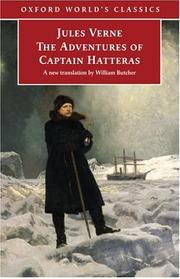
Books Like The Adventures of Captain Hatteras
by Jules Verne
The Adventures of Captain Hatteras is a polar venture built on obsession: a captain consumed by a single destination (the North Pole), an officer corps strained to mutiny, and a drifting ship that turns the Arctic landscape into a crucible. Verne combines concrete nautical detail — ice navigation, sledging parties, scurvy and the logistics of long polar voyaging — with a mounting psychological pressure as Hatteras's monomania escalates. The novel reads like a locked-room story stretched across an ice field: the exterior is vast and hostile, but the human cast and their conflicts are claustrophically concentrated.
Readers come to Hatteras for different things. Some want the procedural realism of 19th-century exploration — the charts, rationing, and the slow arithmetic of survival. Others are pulled by the novel’s slow morph from adventure yarn to character study of obsession and its costs. And some respond to the way Verne lets scientific curiosity and imperial-era ambition collide with isolation and moral strain. The nine books below were chosen to reflect those overlapping elements — polar and sea settings, expedition logistics, psychological intensity, and the shift from exploration to dread — so you can pick the dimension of Hatteras you liked most.
Recommended for fans of The Adventures of Captain Hatteras
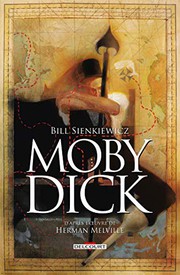
Moby-Dick
Herman Melville
Obsession-driven sea voyage, majestic prose and fatalistic exploration themes.
Pick this if you were most affected by Hatteras’s consuming monomania and want a deeper, darker meditation on how that obsesses a captain and destroys a crew.

Twenty Thousand Leagues Under the Sea
Jules Verne
Scientific adventure, claustrophobic shipboard life and wonder of unknown seas.
Pick this if you liked Verne’s detailed descriptions of life aboard and the scientific curiosity that frames the voyage — this is Verne himself revisiting claustrophobic, curious, tech-rich maritime adventure.
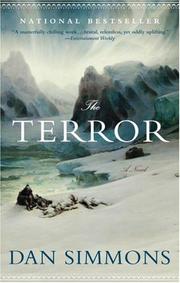
The Terror
Dan Simmons
Arctic expedition turned grim, blending historical detail with mounting dread.
Pick this if you want a modern, grim retelling of an Arctic expedition where historical detail and escalating terror echo Hatteras’s descent into crisis.
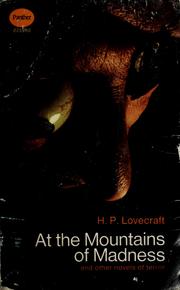
At the Mountains of Madness
H. P. Lovecraft
Antarctic exploration meeting cosmic horror and antiquarian scientific narration.
Pick this if you want polar exploration transmuted into cosmic, uncanny dread; it matches Hatteras’s isolated-scientific narration but pushes into outright supernatural horror.
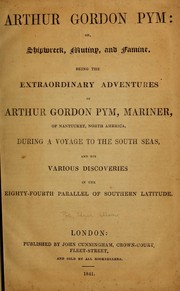
The Narrative of Arthur Gordon Pym
Edgar Allan Poe
Voyage-of-the-strange with polar elements, atmospheric suspense and uncanny incidents.
Pick this if you enjoyed the uncanny episodes and atmospheric suspense of polar travel. This is a Victorian tale of strange maritime incidents and polar improbabilities that pairs well with Verne’s mood.
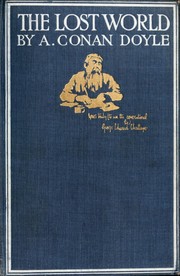
The Lost World
Arthur Conan Doyle
Victorian scientific expedition to a remote, dangerous unknown land.
Pick this if you liked the late‑Victorian, adventure‑as-research approach: an expedition into unknown territory led by confident men of science and action. It’s a close era-and-spirit match.

Heart of Darkness
Joseph Conrad
Psychological expedition into obsession and moral darkness on a river voyage.
Pick this if you were drawn to the moral and psychological unraveling aboard a river or ship journey. This is less about ice and more about the dark inward turn of exploration.
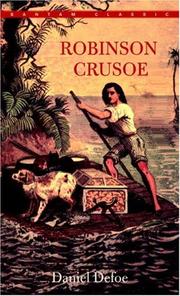
Robinson Crusoe
Daniel Defoe
Stranded survival, resourcefulness and detailed account of solitary exploration.
Pick this if it was the nuts-and-bolts survival and resourcefulness on isolated shores that appealed; this is a foundational castaway narrative with meticulous practical detail rather than a polar expedition.

Ice
Anna Kavan
Dreamlike polar landscape and obsessive pursuit with bleak, hallucinatory mood.
Pick this if you want the Arctic rendered as a dreamlike, obsessive landscape. This is the loosest match in plot terms but useful if you want a hallucinatory, minimal, bleak mood akin to Hatteras’s later scenes.
At a glance
Matches were chosen on four axes that define Hatteras: obsession-driven leadership, polar/Arctic setting, shipboard/expedition logistics, and the blend of scientific detail with mounting psychological dread. Each pick shares some combination of these elements rather than generic genre labels.
| Book | First published | Pages | Closest match on | Match |
|---|---|---|---|---|
Moby-Dick Herman Melville | 1851 | 452 | Obsession-driven captain | 95% |
Twenty Thousand Leagues Under the Sea Jules Verne | 1977 | 48 | Shipboard science & wonder | 92% |
The Terror Dan Simmons | 2007 | 770 | Arctic dread & realism | 90% |
At the Mountains of Madness H. P. Lovecraft | 1968 | 192 | Antarctic cosmic horror | 86% |
The Narrative of Arthur Gordon Pym Edgar Allan Poe | 1838 | 203 | Voyage-of-the-strange | 85% |
The Lost World Arthur Conan Doyle | 1900 | 238 | Victorian scientific expedition | 82% |
Heart of Darkness Joseph Conrad | 1899 | 136 | Interior psychological voyage | 78% |
Robinson Crusoe Daniel Defoe | 1686 | 274 | Stranded survival detail | 75% |
Ice Anna Kavan | 1967 | 158 | Bleak, hallucinatory polar mood | 70% |
About The Adventures of Captain Hatteras
First serialized in 1864–65 as part of Jules Verne’s Voyages extraordinaires, The Adventures of Captain Hatteras is one of Verne’s earliest polar novels and helped establish Arctic exploration as a literary subject. Its mix of nautical technicality and character-driven obsession influenced later writers of maritime and polar fiction.
Frequently asked questions
Which book should I read next if I liked the psychological pressure of Captain Hatteras?+
Start with Moby-Dick for a closely aligned study of captainly obsession and its fatal consequences; it mirrors Hatteras’s monomania more than any other book here.
I loved the polar setting — which recommendation is most similar?+
The Terror is the closest modern echo: an Arctic expedition that becomes increasingly grim and claustrophobic, matching Hatteras’s frozen landscape and mounting dread.
Are there other Jules Verne novels with similar expedition detail?+
Yes. Twenty Thousand Leagues Under the Sea shares Verne’s habit of combining technical description with wonder and the enclosed life aboard a vessel, even though its temper and geography differ.
Is The Adventures of Captain Hatteras more like a sea voyage or a horror tale?+
It sits between both: Verne frames it as scientific and nautical adventure, but the obsessive arc and the crew’s deterioration give it a psychological intensity that readers of sea-bound horror and expedition narratives both recognize.
More books by Jules Verne
See all 22 Jules Verne guides →Want recommendations based on your own favorites?
BookTwin can match you to books by mood, pacing, themes, and emotional payoff — based on 1 to 5 books you tell it you loved.
Try BookTwin