
Books Like Little Brother
by Cory Doctorow
Little Brother is organized around a clear, combustible engine: a teenage protagonist with technical know-how who turns that skill into political action after a traumatic crackdown. Cory Doctorow stages a near-future San Francisco in which surveillance hardware and emergency powers collide with youth culture; the book alternates tight, practical how‑to sequences (password cracking, mesh networking, social-engineering tricks) with courtroom-style moral arguments about civil liberties. Its tone mixes instructional clarity, pulpy urgency and a strong didactic impulse — Doctorow wants readers to understand both the mechanics of surveillance and the tactics of resistance.
If you loved Little Brother, what hooked you could be any of several things: the plausibility of the tech, the plot’s insurgent DIY politics, the sympathetic teenage narrator who builds practical solutions, or the book’s insistence that privacy and protest are learnable skills. The nine picks below are grouped by which of those elements they share most closely — from foundational surveillance critiques to hard-edged cyberthrillers and direct continuations of Doctorow’s own activism fiction — with notes on where each match is strongest or looser.
Recommended for fans of Little Brother
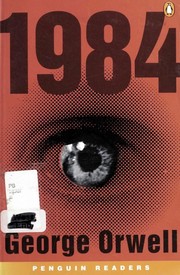
1984
George Orwell
Classic exploration of surveillance, state control, and civil liberties erosion.
Pick this if you read Little Brother for its political stakes and want the classic thought experiment about an all-seeing state; it’s more allegorical and less tactical about resistance than Doctorow’s approach.
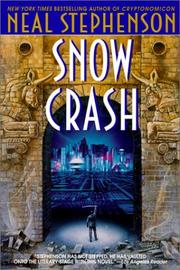
Snow Crash
Neal Stephenson
Fast-paced cyberpunk thriller mixing hacking, corporate control, and anarchic protagonists.
Pick this if you loved Little Brother’s hack-first, do-it-now spirit and want a faster, more anarchic cyberpunk ride; it trades Doctorow’s activist pedagogy for wild, satirical set pieces.

Homeland
Cory Doctorow
Direct follow-up focusing on activism, surveillance resistance, and grassroots organizing.
Pick this if you want more of the same cast, the same questions and expanded tactics for resistance. This is the closest match: Doctorow continues exploring surveillance, organizing and real-world consequences from Little Brother.
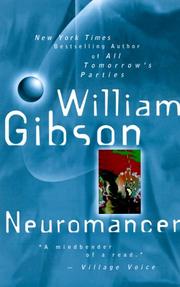
Neuromancer
William Gibson
Foundational cyberpunk novel about hackers, corporate power, and digital worlds.
Pick this if you’re drawn to hacker protagonists and corporate/state power struggles in digital worlds; it’s darker and more stylistically dense than Doctorow but shares the hacker-as-hero lineage.
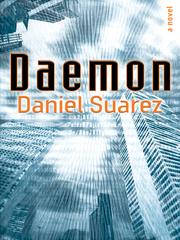
Daemon
Daniel Suarez
Techno-thriller where autonomous code upends society and inspires resistance.
Pick this if you liked the book’s technological plausibility and want a techno-thriller where software itself reshapes society; it’s more thriller-focused and less centered on youth activism than Doctorow’s novel.

Feed
M.T. Anderson
Teen-focused near-future critique of tech, media, and surveillance culture.
Pick this if you want another young-protagonist take on media, consumer tech and how surveillance seeps into daily life; it shares the youthful vantage and cultural critique though it skewers consumerism more than grassroots organizing.
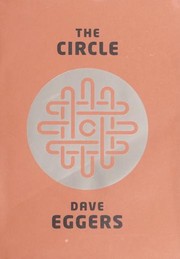
The Circle
Dave Eggers
A chilling look at surveillance, privacy loss, and tech-company control.
Pick this if you want a chilly account of how institutions and tech companies erode privacy; it shares the surveillance-warning function but lacks Little Brother’s teenage-led tactics and practical how‑to details.
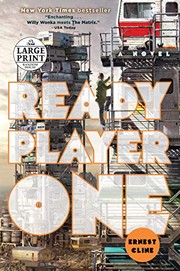
Ready Player One
Ernest Cline
Gamified rebellion and tech-savvy youth battling corporate dominance in virtual worlds.
Pick this if you appreciated Little Brother’s youthful, pop-culture-savvy voice and want a story where games and virtual spaces become sites of resistance; this is a looser match—more homage to 1980s/90s geek culture than a manual for protest.
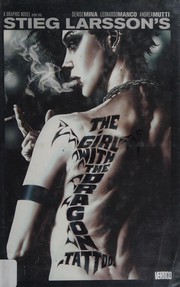
The Girl with the Dragon Tattoo
Stieg Larsson
Mystery driven by a brilliant hacker with fierce independence and moral intensity.
Pick this if you responded to the competent, independent hacker figure in Little Brother and want a mystery driven by a digitally proficient lead; the thematic overlap is narrower — it’s a noir-tinged thriller rather than an activist handbook.
At a glance
These recommendations were chosen for how they echo Little Brother’s core dimensions: surveillance and civil-liberties themes, plausible near-future tech, youthful or anti-authoritarian protagonists, and a practical, action-oriented approach to resistance. Each pick shares some — but not always all — of those elements.
| Book | First published | Pages | Closest match on | Match |
|---|---|---|---|---|
1984 George Orwell | 2003 | 72 | Totalizing surveillance model | 90% |
Snow Crash Neal Stephenson | 1992 | 460 | Fast cyberpunk energy | 88% |
Homeland Cory Doctorow | 2013 | 446 | Direct sequel & activism | 86% |
Neuromancer William Gibson | 1984 | 317 | Foundational cyberpunk themes | 85% |
Daemon Daniel Suarez | 2009 | 540 | Autonomous code upheaval | 83% |
Feed M.T. Anderson | 2002 | 299 | Teen-focused tech critique | 82% |
The Circle Dave Eggers | 2013 | 491 | Corporate surveillance critique | 80% |
Ready Player One Ernest Cline | 2008 | 462 | Gamified rebellion vibes | 78% |
The Girl with the Dragon Tattoo Stieg Larsson | 2011 | 312 | Investigator-hacker protagonist | 72% |
About Little Brother
Little Brother was first published in 2008 and was written in the wake of heightened post-9/11 surveillance and the spread of consumer mobile technologies. It’s widely cited in discussions of youth-facing tech policy fiction and is followed directly by Doctorow’s sequel, Homeland.
Frequently asked questions
Is Little Brother realistic about surveillance technology?+
Yes. Doctorow grounds his scenarios in actual techniques (packet sniffing, Wi‑Fi spoofing, social engineering) and civic-legal questions about emergency powers. If you want a deeper practical look at how activists build around surveillance, Homeland continues those tactics in a political context.
Which book here gives the bleakest view of surveillance?+
1984 is the most totalizing model on this list: it presents surveillance as an all-encompassing state system with few institutional checks. Several techno-thrillers below dramatize similar dangers in contemporary or corporate forms, but 1984 is the ideological baseline.
Which of these is closest in tone to Little Brother’s hacking scenes?+
Snow Crash and Neuromancer match Little Brother’s kinetic cyber-action and hacker-as-protagonist energy. Snow Crash leans more comic and anarchic, while Neuromancer is hallucinatory and foundationally cyberpunk.
I liked Little Brother’s focus on youth activism. What should I read next?+
Homeland is the direct follow-up by Cory Doctorow and keeps the focus on grassroots organizing, digital tools for protest and how campaigns scale — it’s the closest follow-up in theme and cast. Feed and Ready Player One also center teenage perspectives interacting with pervasive tech, though they frame the stakes differently.
Are any of these novels more techno-thriller than literary critique?+
Yes. Daemon and Snow Crash lean into thriller mechanics — autonomous code and rapid-action set pieces, respectively — whereas The Circle and 1984 are more focused on systemic critique of surveillance and social control. Pick based on whether you prefer procedural suspense or philosophical alarm.
More books by Cory Doctorow
Want recommendations based on your own favorites?
BookTwin can match you to books by mood, pacing, themes, and emotional payoff — based on 1 to 5 books you tell it you loved.
Try BookTwin