
Books Like Homeland
by Cory Doctorow
Homeland is a sequel that keeps the same engine Cory Doctorow used in Little Brother: a politically sharp, tech-savvy protagonist who uses everyday computing skills, social networks and civil disobedience to fight surveillance and abuse of power. Marcus Yallow returns as an organizer, hacker and rhetorician, and the book mixes practical how-to tactics with courtroom-style moral argument, protest logistics and online campaigning — all grounded in clear explanations of how the technologies work.
Readers come to Homeland for different reasons: some want step‑by‑step tactics for digital activism, others want courtroom and civic drama that tests the limits of free speech; many appreciate Doctorow’s blend of earnest politics and accessible techno-explanation. The picks below are chosen so you can choose by which element you want more of — more of Doctorow’s own universe, more hard-edged techno‑thrillers, or novels that interrogate corporate surveillance and youth culture in ways that echo Homeland’s stakes and tone.
Recommended for fans of Homeland

Little Brother
Cory Doctorow
Directly linked techno-activist YA with same protagonist and themes of surveillance and civil liberties.
Pick this if you want more Marcus Yallow and the same blend of DIY tech, grassroots organizing and legal-political confrontation. This is the closest match by far.
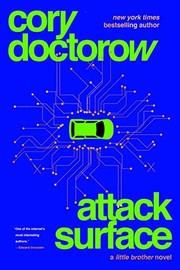
Attack Surface
Cory Doctorow
Another take on digital activism, betrayal, and state power from Doctorow's world.
Pick this if you want Doctorow’s later, darker take on activism and the consequences of infiltration and betrayal within activist movements. It continues exploring the ethics and risks of the same playbook.
Daemon
Daniel Suarez
A relentless hacker-driven thriller about autonomous networks reshaping society.
Pick this if you want a faster, more thriller‑forward depiction of what hacked, autonomous systems can do to society. It shares Homeland’s hacker focus but leans harder into mechanized, plot-driven escalation.

Feed
M. T. Anderson
Satirical, urgent YA dystopia about corporate control of technology and youth culture.
Pick this if you liked Homeland’s critique of youth-targeted corporate power but want a satirical, YA‑voiced treatment of media and commercial control. Tone and audience differ, but the theme overlaps.
The Circle
Dave Eggers
A contemporary novel about surveillance, tech companies, and loss of privacy.
Pick this if you want a contemporary, literary take on surveillance powered by tech companies rather than grassroots hacking. It shares the same ethical worries, though its pacing and focus are more sociological than tactical.
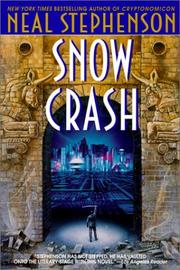
Snow Crash
Neal Stephenson
High-energy cyberpunk blending hacking, corporate power, and social satire.
Pick this if you want vivid, anarchic cyber-culture and societal satire. It matches Homeland’s appetite for social critique and technical imagination, but it’s more exuberant and less civics-focused.
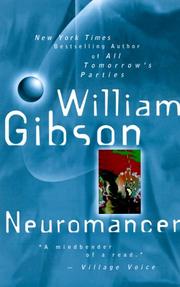
Neuromancer
William Gibson
Foundational cyberpunk exploring hacking, corporate control, and networked worlds.
Pick this if you’re chasing the genre roots of hacking and corporate dominance. It shares the thematic DNA of networked worlds with Homeland, though it’s more noir and less activist-instructional.

Zero Day
Mark Russinovich
A realistic, detailed techno-thriller about catastrophic cyberattacks and national security.
Pick this if you want procedural, realist depictions of catastrophic cyberattacks and national-security responses. This is closer to techno-thriller reportage than Doctorow’s activist-centered novels.
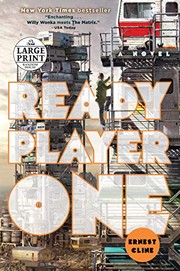
Ready Player One
Ernest Cline
Nostalgic, fast-paced quest with hacker culture and virtual-world rebellion.
Pick this if you enjoyed the hacker-culture aspects and want a fast, pop-culture-infused quest with virtual-world rebellion. It’s lighter and more nostalgia-driven than Homeland, so consider it a looser fit.
At a glance
Matches were chosen on three dimensions central to Homeland: shared protagonist-driven digital activism and tactics, explicit treatment of surveillance/corporate-state power, and the novel’s instructional, how-it-works tone. Picks that match on only one of those axes are identified as such.
| Book | First published | Pages | Closest match on | Match |
|---|---|---|---|---|
Little Brother Cory Doctorow | 2008 | 383 | Same protagonist & continuity | 95% |
Attack Surface Cory Doctorow | 2020 | 384 | Digital betrayal & tactics | 90% |
Daemon Daniel Suarez | 2009 | 540 | Autonomous hacker networks | 88% |
Feed M. T. Anderson | 2002 | 299 | Satirical youth dystopia | 85% |
The Circle Dave Eggers | 2013 | 491 | Corporate & state surveillance | 83% |
Snow Crash Neal Stephenson | 1992 | 460 | High-energy cyber satire | 80% |
Neuromancer William Gibson | 1984 | 317 | Foundational cyberpunk themes | 78% |
Zero Day Mark Russinovich | 2011 | 336 | Realistic cyberattack realism | 76% |
Ready Player One Ernest Cline | 2008 | 462 | Nostalgic hacker quest | 74% |
About Homeland
Homeland was published in 2013 as a sequel to Cory Doctorow’s Little Brother. It continues Marcus Yallow’s story as he confronts surveillance, political repression and the ethics of activism, and Doctorow updated the novel to reflect shifts in online organizing and civil-liberties debates since the original book.
Frequently asked questions
Do I need to read Little Brother before Homeland?+
You don't strictly need to; Homeland can be read on its own. That said, Little Brother introduces Marcus, his relationships and the original post-attack crackdown that makes Homeland’s events more resonant.
Which of these picks are by Cory Doctorow?+
Little Brother and Attack Surface are by Cory Doctorow; both sit closest to Homeland in setting, characters and themes.
Are there nonfiction instructions for activism in Homeland?+
Homeland includes practical, plausibility-minded tactics and explanations of tools — but they're woven into the novel rather than presented as a how-to manual.
Which pick focuses most on corporate surveillance rather than state surveillance?+
Feed and The Circle (as represented here) foreground corporate-driven cultural and surveillance dynamics; they share Homeland's concern about private power even when their register differs.
More books by Cory Doctorow
Want recommendations based on your own favorites?
BookTwin can match you to books by mood, pacing, themes, and emotional payoff — based on 1 to 5 books you tell it you loved.
Try BookTwin