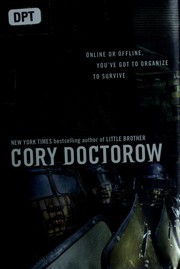
Books Like For the Win
by Cory Doctorow
For the Win is a political techno-thriller built around three clear mechanics: a playable virtual-economy (gold‑farming and in‑game labor), transnational labor organizing, and insistent techno-policy argument. Cory Doctorow stitches together interleaved narratives — teenagers in the Philippines and China, an American gamer-activist, and the executives who profit — and keeps the stakes both personal (friends, livelihoods) and systemic (who controls digital labor and value). The novel reads like a campaign manual and a heist movie at once: scenes of raids, chat-room organizing, and courtroom maneuvering alternate with lucid expository sections explaining how real systems are gamed.
Readers come to For the Win for different reasons. Some will have loved its explicit labor politics and practical guides to building solidarity; others will have been hooked by the in-game mechanics, the hacker‑style tactics and crew dynamics; and some will simply want more fiction that treats virtual economies and corporate power as political terrain. Below are nine books chosen to match those specific hooks — whether you want more Cory Doctorow-style activism, a darker cyberpunk analogue, or a take on corporate power and worker organizing in a different register.
Recommended for fans of For the Win

Little Brother
Cory Doctorow
Teen hacker resistance against surveillance, same blend of tech activism and youthful urgency.
Pick this if you want more of Doctorow’s combination of teen protagonists, hacker tactics and civic‑minded activism; Little Brother is the closest match in tone and approach.

Walkaway
Cory Doctorow
Post-scarcity hacktivism and labor politics with optimistic disruptive technology themes.
Pick this if you admired the political imagination behind For the Win and want a wider-scale, post‑scarcity take on organizing and technology; Walkaway broadens the stakes and methods.
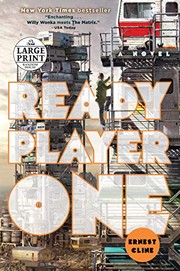
Ready Player One
Ernest Cline
Addictive virtual-world gaming, corporate control, and a fast-paced quest narrative.
Pick this if you liked the in‑game mechanics and corporate antagonists but not the labor focus; this offers addictive virtual‑world gaming and a corporate-versus-player quest structure.
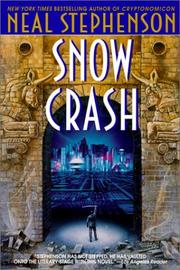
Snow Crash
Neal Stephenson
High-energy cyberpunk satire, virtual metaverse and corporate/freedom conflicts.
Pick this if you want a faster, more satirical cyberpunk take on virtual worlds and corporate power. It matches For the Win’s virtual environment but has a denser, more cyberpunk style.

Feed
M.T. Anderson
Teen perspective on corporate-controlled future, media manipulation, and social critique.
Pick this if you appreciated the teen viewpoint and corporate critique; Feed parallels that teen-lens social critique, though it’s more focused on media consumption than labor organizing.
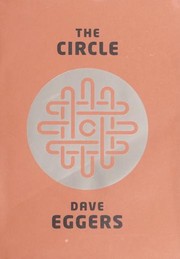
The Circle
Dave Eggers
Intense exploration of tech company power, surveillance, and ethical dilemmas.
Pick this if your main interest is fierce examinations of tech-company ethics and surveillance. The Circle concentrates on corporate influence and moral dilemmas rather than organizing or gaming.
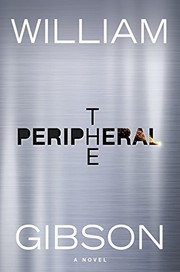
The Peripheral
William Gibson
Near-future tech, economic power plays, and moral complexity across timelines.
Pick this if you wanted near-future tech with knotty economic power plays and moral ambiguity. It shares the economic-structure focus but treats it through layered timelines and grimmer outcomes.

The Warehouse
Rob Hart
Corporate monopolies, labor exploitation, and organizing inside a dystopian megacorp.
Pick this if you were drawn to the book’s labor-rights angle and want a grounded corporate setting; this imagines organizing and exploitation inside a logistics megacorp rather than an online economy.
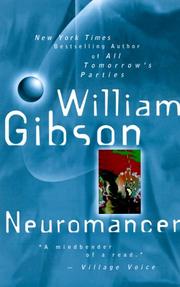
Neuromancer
William Gibson
Foundational cyberpunk heist with hacking, corporate power, and gritty virtual spaces.
Pick this if you’re after classic hacking-and-corporate-power fiction with a grittier, noirish edge. It’s a looser match on Doctorow’s labor politics but strong on hacking and corporate antagonists.
At a glance
Matches prioritize three dimensions: emphasis on virtual economies/hacking, explicit labor or organizing politics, and Doctorow’s mix of activist polemic with character-driven scenes. Percentages reflect overlap with those dimensions rather than surface cyberpunk tropes.
| Book | First published | Pages | Closest match on | Match |
|---|---|---|---|---|
Little Brother Cory Doctorow | 2008 | 383 | Youthful tech resistance | 92% |
Walkaway Cory Doctorow | 2017 | 496 | Speculative activist politics | 88% |
Ready Player One Ernest Cline | 2008 | 462 | Virtual-world questing | 84% |
Snow Crash Neal Stephenson | 1992 | 460 | High-energy metaverse satire | 83% |
Feed M.T. Anderson | 2002 | 299 | Teen perspective on corporatism | 80% |
The Circle Dave Eggers | 2013 | 491 | Platform power scrutiny | 78% |
The Peripheral William Gibson | 2014 | 504 | Complex tech economics | 76% |
The Warehouse Rob Hart | 2019 | 358 | Labor exploitation inside corp | 74% |
Neuromancer William Gibson | 1984 | 317 | Foundational cyber-heist vibe | 72% |
About For the Win
For the Win was published in 2010 and foregrounds online games, microtransactions and transnational labor in a near-future setting. Doctorow wrote the novel as both fiction and argument: it includes practical scenes of organizing and clear critique of corporate control over digital economies. The book helped popularize conversations about virtual labor and players’ collective bargaining.
Frequently asked questions
Is For the Win like Cory Doctorow's Little Brother?+
Yes. Little Brother shares Doctorow’s emphasis on youth-led tech resistance and clear how-to sections about tactics; Little Brother skews more toward surveillance and civil liberties, while For the Win centers labor and virtual economies.
Which book should I read next if I want more of Doctorow's politics?+
Read Walkaway for a broader, more speculative look at post-scarcity activism and collective ownership; it expands Doctorow’s political imagination beyond the online-game frame of For the Win.
Want more fiction about corporate control of tech platforms?+
Several picks approach that theme differently: The Circle focuses tightly on surveillance and platform ethics, while The Warehouse imagines organizing inside a megacorp’s logistics machine.
Are there books here that capture the gaming/virtual-economy side well?+
Ready Player One mirrors addictive virtual-world gaming and corporate control, and Snow Crash supplies a kinetic, satirical metaverse — both are strong on the gameplay environment if not on labor organizing.
Do any of these books offer practical organizing advice like For the Win does?+
Not in the same blended way. Walkaway shares Doctorow’s activist optimism and speculative tactics; Little Brother offers concrete tech-resistance techniques. The others are primarily novels that explore corporate power or virtual spaces without the explicit organizer’s toolkit.
More books by Cory Doctorow
Want recommendations based on your own favorites?
BookTwin can match you to books by mood, pacing, themes, and emotional payoff — based on 1 to 5 books you tell it you loved.
Try BookTwin