
Books Like Pirate Cinema
by Cory Doctorow
Pirate Cinema centers its energy on one clean engine: a teen filmmaker's fight against copyright enforcement in a world where content control, surveillance and economic precarity shape everyday life. Doctorow combines a first‑person, confessional voice with frequent, concrete scenes of digital craft — torrenting, DRM-busting, guerrilla projection and DIY film production — so the novel reads as both social critique and a how-to field guide for rebellious creativity.
Readers come to Pirate Cinema for different, specific reasons. Some want a protagonist who channels anger into digital direct action; others are drawn to the densely imagined near-future economy of micro‑jobs, gig‑work and corporate content policing; and many enjoy Doctorow’s brisk, instructive chapters that toggle between character beats and technical schematics. The nine picks below are ordered by how closely they mirror those elements — from Doctorow’s own YA activist tone to wider cyberpunk and near‑future satires — with a note for what each one actually shares with Pirate Cinema so you can pick by the exact feature you enjoyed.
Recommended for fans of Pirate Cinema

Little Brother
Cory Doctorow
Teen hacker activism, civil liberties, brisk YA pacing and tech-savvy voice.
Pick this if you want another Cory Doctorow novel that pairs a teenage protagonist with civil‑liberties outrage, clear tech‑how‑tos and brisk pacing — Little Brother is the closest match.

Moxyland
Lauren Beukes
Near-future city, social networks and corporate control with rebellious protagonists.
Pick this if you liked Pirate Cinema’s city-as-system depiction of corporate control and social networks — Moxyland offers a darker, urban take with rebellious characters navigating corporate surveillance.
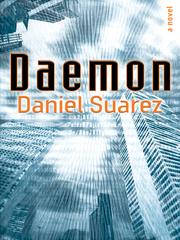
Daemon
Daniel Suarez
Internet-born insurgency and digital tactics driving a fast, conspiracy-laced plot.
Pick this if you want a larger‑scale, conspiracy‑brewing vision of how software can upend institutions. Daemon shares the internet-born insurgency and tactical digital action, though it reads as a denser techno‑thriller rather than YA.

Feed
M.T. Anderson
Satirical YA take on corporate control of media and youth culture.
Pick this if you were drawn to Pirate Cinema’s critique of media and corporate influence over young people. Feed matches that satirical, youth‑centered perspective — more overtly dystopian and allegorical in tone.
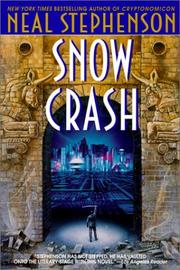
Snow Crash
Neal Stephenson
Hyperactive cyberpunk adventure mixing hacking, anarchic humor, and cultural critique.
Pick this if you enjoyed Doctorow’s pace and cultural riffs and want a wilder, more anarchic cyberpunk ride. Snow Crash shares the hyperactive, tongue‑in‑cheek energy, though it’s broader in scope and era.
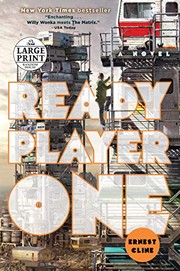
Ready Player One
Ernest Cline
Pop-culture obsession, virtual worlds, and a youthful scavenger-quest tone.
Pick this if it was the pop‑culture savvy and youthful quest energy that appealed to you. Ready Player One mirrors that obsession with nostalgia and virtual‑world stakes, but it centers a contest rather than copyright politics.
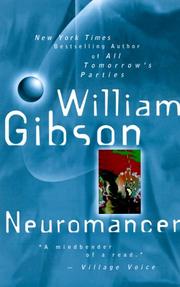
Neuromancer
William Gibson
Foundational cyberpunk: street-level hackers, noir mood, and digital underworlds.
Pick this if you liked the grittier, technical side of Pirate Cinema and want foundational cyberpunk atmosphere. Neuromancer supplies the digital underworld and hacker ethos, though its mood is noir and less YA.
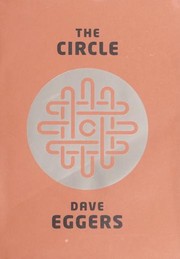
The Circle
Dave Eggers
Explores surveillance, tech-company power, and slippery moral compromises.
Pick this if you want a focused examination of the seductive justifications for surveillance and platform power. The Circle explores those moral compromises inside a single tech company; it’s thematically close but quieter on direct digital resistance.

The Gone-Away World
Nick Harkaway
Inventive, anarchic storytelling with pop-culture riffs and subversive humor.
Pick this if you appreciated Doctorow’s pop‑culture riffs and wry subversion and want more of that playful inventiveness. The Gone-Away World matches the anarchic storytelling, although its scope is more fantastical than Pirate Cinema’s grounded tech concerns.
At a glance
Matches were chosen on three dimensions central to Pirate Cinema: a young, tech‑savvy protagonist or perspective; a focus on digital networks, copyright or corporate surveillance; and a brisk, activist or DIY tone. Percentages reflect how many of those elements each pick shares.
| Book | First published | Pages | Closest match on | Match |
|---|---|---|---|---|
Little Brother Cory Doctorow | 2008 | 383 | Teen hacker activism | 95% |
Moxyland Lauren Beukes | 2009 | 320 | Near‑future social tech | 88% |
Daemon Daniel Suarez | 2009 | 540 | Networked insurgency plots | 86% |
Feed M.T. Anderson | 2002 | 299 | Satirical youth-media critique | 82% |
Snow Crash Neal Stephenson | 1992 | 460 | High‑energy cyberpunk | 80% |
Ready Player One Ernest Cline | 2008 | 462 | Pop‑culture quest tone | 78% |
Neuromancer William Gibson | 1984 | 317 | Street‑level hacking noir | 76% |
The Circle Dave Eggers | 2013 | 491 | Surveillance & corporate power | 74% |
The Gone-Away World Nick Harkaway | 1998 | 528 | Inventive, subversive humor | 72% |
About Pirate Cinema
Pirate Cinema was published in 2012 and is one of Cory Doctorow’s novels that foregrounds copyright, file‑sharing culture and youth agency. Doctorow draws on his long‑standing advocacy for digital rights and his habit of mixing technical detail with character-driven plots; he makes the mechanics of piracy part of the story rather than just background setting.
Frequently asked questions
Is Pirate Cinema similar to Little Brother?+
Yes. Little Brother shares Doctorow’s YA voice, activist thrust and clear technological explanations — Little Brother is the closest match here and also by Cory Doctorow.
Which recommendations explore surveillance and corporate control like Pirate Cinema?+
Moxyland and The Circle both examine corporate dominance and pervasive networks; Moxyland does so through a near‑future city and rebellious protagonists, while The Circle focuses more on creeping moral compromises inside a single powerful company.
Are there picks here that lean more cyberpunk and less YA?+
Yes. Snow Crash, Neuromancer and Daemon lean into adult cyberpunk or tech‑thriller territory: hacking, conspiracies and anarchic networks are central, but they adopt a denser, more plot-driven tone than Pirate Cinema’s YA perspective.
Which books match Pirate Cinema’s pop‑culture and youth focus?+
Feed and Ready Player One both take the perspective of youth conformed to media ecosystems; Feed is satirical and dystopian while Ready Player One centers pop‑culture immersion and a scavenger-quest vibe.
If I liked Doctorow’s humor and inventiveness, what else should I try?+
The Gone-Away World shares an anarchic, referential energy and playful world‑building, though it’s less focused on digital copyright and more on broad, inventive storytelling.
More books by Cory Doctorow
Want recommendations based on your own favorites?
BookTwin can match you to books by mood, pacing, themes, and emotional payoff — based on 1 to 5 books you tell it you loved.
Try BookTwin