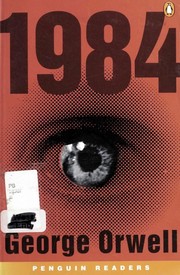
Books Like 1984
by George Orwell
1984 is built around three interlocking mechanisms: a totalizing surveillance state that flattens private thought, language-manipulation (Newspeak) that narrows what can be conceived, and an intimate narrative that traces one man’s slow unmaking under ideological pressure. The novel’s momentum comes less from action than from escalating claustrophobia — Winston Smith’s small acts of private rebellion, the discovery of a forbidden book and lover, and the Party’s systematic responses that make defeat feel inevitable.
Readers come to 1984 for different, specific reasons: the political frame about how power rewrites truth; the linguistic puzzle of erased concepts; the quietly human relationship that becomes both refuge and instrument; or the bleak, meticulous depiction of everyday life under constant monitoring. The nine books below are selected for how they echo those precise elements — some by matching the cold logic of ideology, some by matching the intimate, confessional voice, and a few by probing the ethical questions of control and resistance from other angles.
Recommended for fans of 1984
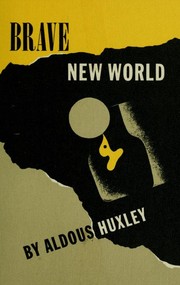
Brave New World
Aldous Huxley
Classic dystopia exploring state control, technology, and loss of individuality.
Pick this if you want another major dystopia that traces how a society enforces conformity — Brave New World maps a different route (conditioning and engineered pleasure) to the same end of erased individuality.
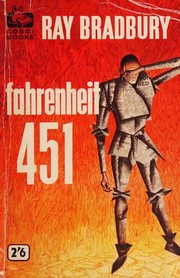
Fahrenheit 451
Ray Bradbury
Short, urgent critique of censorship and conformity with a rebellious protagonist.
Pick this if you were moved by the theme of outlawed ideas and solitary dissent. Fahrenheit 451 is shorter and more urgent, focused explicitly on book-burning, censorship and the small acts that resist intellectual suppression.
We
Yevgeny Zamyatin
Foundational dystopian novel about surveillance, regimented life, and individuality versus state.
Pick this if you want to read the book that helped invent the modern dystopia. We foregrounds state surveillance, regimented life and the mathematically rationalized society that directly anticipates many of 1984’s mechanisms.
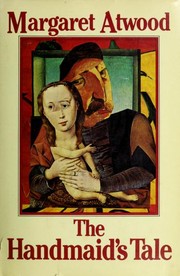
The Handmaid's Tale
Margaret Atwood
Chilling vision of authoritarian patriarchy with intimate, haunting narration.
Pick this if the intimate, first-person account of life under a controlling regime was what gripped you. The Handmaid’s Tale brings a similarly intense personal narration to a patriarchy that controls bodies and language.
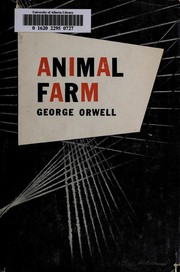
Animal Farm
George Orwell
Allegorical look at power, propaganda, and revolutions gone wrong from the same voice.
Pick this if you want Orwell himself on the same themes. Animal Farm uses fable and satire to examine propaganda and revolutionary betrayal — it’s the clearest tonal and thematic companion on this list.

The Trial
Franz Kafka
Nightmarish bureaucratic oppression and existential dread mirror 1984's helplessness.
Pick this if it was 1984’s sense of helplessness in the face of an opaque, crushing system that resonated. The Trial offers a nightmarish bureaucracy and existential dread that mirror that same loss of recourse and meaning.

Never Let Me Go
Kazuo Ishiguro
Quiet, melancholic dystopia about control, memory, and ethical cost of society.
Pick this if you preferred the novel’s moral quiets and questions about memory and personhood. Never Let Me Go is a subtler, melancholic study of how institutions normalize ethical compromises — a mood match more than a structural twin.
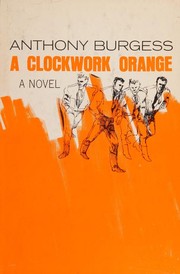
A Clockwork Orange
Anthony Burgess
Violent, provocative exploration of free will, state power, and social engineering.
Pick this if you want a provocative, confrontational probe of state attempts to remake human behavior. A Clockwork Orange tackles social engineering and free will with explicit violence and experimental language; it’s closer in theme than in tone.
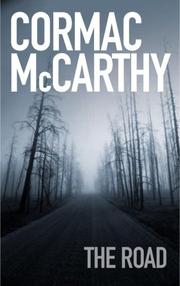
The Road
Cormac McCarthy
Sparse, devastating post-apocalyptic journey with bleak atmosphere and moral stakes.
Pick this if you responded to 1984’s overpowering bleakness and ethical urgency. The Road is sparser and post-apocalyptic rather than politically totalizing, so this is the loosest fit here — choose it if you primarily want sustained, grim atmosphere.
At a glance
Matches were chosen by which element of 1984 a book reflects: systemic political control and surveillance, linguistic or ideological manipulation, the tone of individual interiority under oppression, or the moral questions raised by state power. Percentages indicate overlap across those specific dimensions, not overall plot alignment.
| Book | First published | Pages | Closest match on | Match |
|---|---|---|---|---|
Brave New World Aldous Huxley | 1932 | 240 | Systemic social control | 92% |
Fahrenheit 451 Ray Bradbury | 1953 | 190 | Censorship & rebellion | 89% |
We Yevgeny Zamyatin | 1983 | — | Surveillance precedent & form | 88% |
The Handmaid's Tale Margaret Atwood | 1985 | 350 | Gendered authoritarianism | 86% |
Animal Farm George Orwell | 1945 | 128 | Allegory of power | 85% |
The Trial Franz Kafka | 1925 | 340 | Bureaucratic nightmare | 80% |
Never Let Me Go Kazuo Ishiguro | 2005 | 288 | Quiet ethical control | 78% |
A Clockwork Orange Anthony Burgess | 1962 | 192 | Free will vs. conditioning | 75% |
The Road Cormac McCarthy | 2006 | 279 | Bleak, moral aftermath | 72% |
About 1984
George Orwell’s 1984 was published in 1949 and quickly became a defining English-language dystopia. Orwell drew on 20th-century totalitarian regimes and his own experiences in journalism and wartime propaganda to dramatize mechanisms of political control; the novel introduced terms such as Big Brother and doublethink into common use.
Frequently asked questions
What should I read after 1984?+
If you want another foundational dystopia that directly explores state-engineered pleasure or stability, Brave New World is the closest thematic companion. For a shorter, urgent take on censorship and individual rebellion, choose Fahrenheit 451.
Which of these books was written before 1984 and influenced it?+
We is the direct predecessor: Zamyatin’s novel predates 1984 and established many conventions of dystopian state control. Orwell acknowledged earlier dystopian and satirical traditions in his essays and correspondence.
Is Animal Farm similar to 1984?+
Yes and no. Animal Farm is Orwell’s allegorical fable about power, propaganda and revolutions that betray their ideals; it shares themes and the authorial voice with 1984 but is shorter and satirical rather than claustrophobically psychological.
Which pick focuses most on surveillance as a mechanism of control?+
We and Brave New World both stage systemic, institutional domination, but We is the closest historical antecedent in its explicit surveillance-and-register systems; Brave New World reaches the same ends through conditioning and engineered comfort.
Are there quieter books here about memory and ethics rather than overt political systems?+
Yes. Never Let Me Go approaches social control through personal memory and ethical ambiguity, offering a restrained, melancholic counterpart to 1984’s frontal assault.
More books by George Orwell
Want recommendations based on your own favorites?
BookTwin can match you to books by mood, pacing, themes, and emotional payoff — based on 1 to 5 books you tell it you loved.
Try BookTwin