
Books Like Sweet Thursday
by John Steinbeck
Sweet Thursday revisits Cannery Row's shabby, salt-stiff neighborhood with a softer, postwar sensibility. Steinbeck returns to the same cast of eccentrics — the convivial, scheming Mack and his gang, the taciturn Doc, and a parade of marginal but unforgettable neighbors — and arranges a series of small domestic projects and interpersonal rescues around a quietly romantic plot. Where Cannery Row celebrated the mechanics of community in loose vignettes, Sweet Thursday stitches those vignettes into a more sustained narrative about finding stability, love and purpose after hardship.
If you loved Sweet Thursday, it helps to know which ingredient hooked you: the place (Monterey’s tides, sardine-can industry and cheap rooms), the voice (Steinbeck’s compassionate, ironic narrator), or the emotional arc (stubborn outsiders redeemed by belonging and a tentative romance). The recommendations below sort themselves by those elements — neighborhood portrait, gentle comic romance, or meditative empathy — and tell you plainly where a book mirrors Steinbeck’s exact strengths and where it diverges into a different register of tone or setting.
Recommended for fans of Sweet Thursday
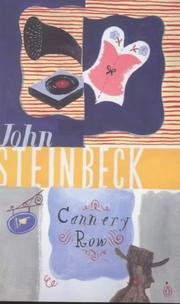
Cannery Row
John Steinbeck
Same Monterey setting, overlapping characters, tender humor and bittersweet community life.
Pick this if you want to return to the exact streets, characters, and comic-turned-tender dynamics that Sweet Thursday rescues and refashions.
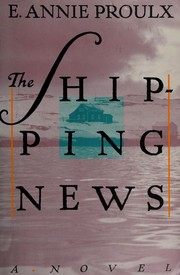
The Shipping News
E. Annie Proulx
Quirky coastal town, melancholic humor, personal redemption through place.
Pick this if you liked the novel’s depiction of a working coastal town where the place shapes personal redemption; note it’s a darker, more idiosyncratic book in tone than Steinbeck’s optimism.
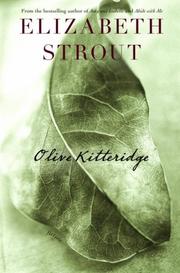
Olive Kitteridge
Elizabeth Strout
Episodic small-town portraits balancing tenderness and aching loneliness.
Pick this if you appreciated Steinbeck’s linked vignettes and compassionate focus on ordinary lives; Olive Kitteridge is more formally episodic and often colder in its resolutions.
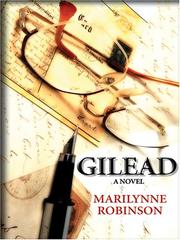
Gilead
Marilynne Robinson
Quiet, reflective pastoral voice probing faith, memory, and compassion.
Pick this if it was Sweet Thursday’s moral tenderness and meditative moments that appealed to you — Gilead shares that contemplative, pastoral compassion but with a strong theological frame.

The Heart Is a Lonely Hunter
Carson McCullers
Southern town of outsiders, deep empathy, and bittersweet relationships.
Pick this if you were drawn to Steinbeck’s deep sympathy for marginalized characters; The Heart Is a Lonely Hunter matches that emotional intensity, though in a different regional setting.
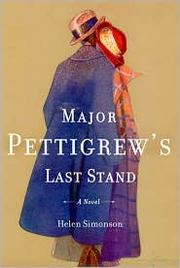
Major Pettigrew's Last Stand
Helen Simonson
Gentle, warm village romance with dry humor and community warmth.
Pick this if you want a witty, romantic story where eccentric characters and dry humor create warmth; expect a lighter, more deliberately charming tone than Steinbeck’s gruffer realism.
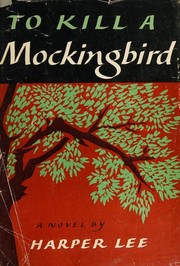
To Kill a Mockingbird
Harper Lee
Small-town moral center, compassionate characters, bittersweet coming-of-age elements.
Pick this if you loved the ethical core and communal reckonings of Sweet Thursday; To Kill a Mockingbird brings a stronger moral drama and a more explicit coming‑of‑age lens.

At Home in Mitford
Jan Karon
Cozy, character-rich small town with warm, healing everyday life.
Pick this if you liked the everyday, restorative rhythms of Steinbeck’s neighborhood; At Home in Mitford amplifies that coziness and minimizes Steinbeck’s sharper social edges.
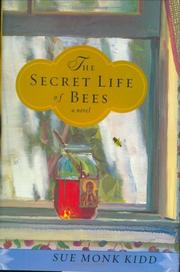
The Secret Life of Bees
Sue Monk Kidd
Southern setting, healing female community, lyrical, hopeful tone.
Pick this if it was the novel’s themes of communal care and feminine solidarity that resonated; The Secret Life of Bees foregrounds those elements but relocates them to a Southern, racially fraught setting.
At a glance
Matches were chosen for how they echo Sweet Thursday’s three defining axes: a tight, character-driven small-town or coastal setting; Steinbeck’s blend of dry comedy and tender empathy; and a restorative narrative that privileges community and moral repair over spectacle.
| Book | First published | Pages | Closest match on | Match |
|---|---|---|---|---|
Cannery Row John Steinbeck | 1945 | 188 | Same Monterey setting | 96% |
The Shipping News E. Annie Proulx | 1993 | 345 | Quirky coastal community | 85% |
Olive Kitteridge Elizabeth Strout | 2007 | 288 | Episodic small-town portraits | 82% |
Gilead Marilynne Robinson | 2004 | 257 | Quiet, reflective voice | 80% |
The Heart Is a Lonely Hunter Carson McCullers | 1940 | 320 | Empathy for outsiders | 78% |
Major Pettigrew's Last Stand Helen Simonson | 2010 | 400 | Gentle comic romance | 75% |
To Kill a Mockingbird Harper Lee | 1960 | 320 | Small-town moral center | 74% |
At Home in Mitford Jan Karon | 1994 | 446 | Cozy, healing town life | 70% |
The Secret Life of Bees Sue Monk Kidd | 2000 | 303 | Lyrical, healing female community | 68% |
About Sweet Thursday
Sweet Thursday was published in 1954 as a sequel to Steinbeck’s Cannery Row. It reuses many of the same Monterey characters and settings but moves toward a more conventional, hopeful romantic plot while keeping Steinbeck’s observational humor and sympathy for outsiders.
Frequently asked questions
Is Sweet Thursday a sequel to Cannery Row?+
Yes. Sweet Thursday returns to Cannery Row’s characters and Monterey setting, continuing Steinbeck’s portrait of that neighborhood while shifting toward a more cohesive romantic plot.
If I liked the community atmosphere, which pick is closest?+
Cannery Row is the closest — it’s the original, looser portrait of the same community and the single best complement to Sweet Thursday. The Shipping News and Olive Kitteridge are looser fits but share strong senses of place and ensemble.
Which of these is most like Steinbeck’s compassionate voice?+
Gilead and The Heart Is a Lonely Hunter are both quieter, more meditative novels that match Steinbeck’s tenderness and moral seriousness, though they differ in pace and religious focus.
I want more gentle, small‑town romance and warmth; what should I read?+
Major Pettigrew’s Last Stand and At Home in Mitford aim for that same warm civic appetite for small reconciliations and polite humor — they trade Steinbeck’s rougher edges for steadier coziness.
More books by John Steinbeck
See all 15 John Steinbeck guides →Want recommendations based on your own favorites?
BookTwin can match you to books by mood, pacing, themes, and emotional payoff — based on 1 to 5 books you tell it you loved.
Try BookTwin