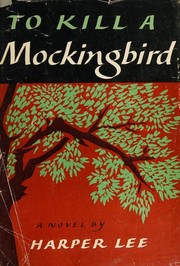
Books Like To Kill a Mockingbird
by Harper Lee
To Kill a Mockingbird is defined by a particular blend of moral clarity and small-town observation: a child’s point of view (Scout Finch) frames a courtroom drama about racial injustice while also cataloguing neighborhood gossip, schoolyard drama and the slow revelation of adult hypocrisy. Its structure alternates between intimate domestic scenes and a public, community-shaping trial; its voice mixes plainspoken narration with moments of legal and ethical argument delivered by Atticus Finch.
Readers connect to different pieces of that design. Some come for the courtroom moral stakes and the town’s polarized reactions; others for the bildungsroman arc of Scout and Jem learning compassion; others for the novel’s focus on community—how neighbors, gossip and social codes shape outcomes. The nine books below are selected to reflect those distinct attractions: courtroom confrontation, coming-of-age in the segregated South, Black women’s resilience, or a meditative Southern sensibility. Each pick note points to which aspect of Lee’s novel it mirrors and where it departs, so you can choose by the element you most valued.
Recommended for fans of To Kill a Mockingbird
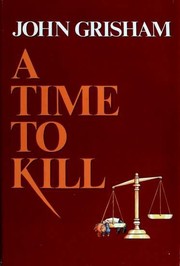
A Time to Kill
John Grisham
Southern courtroom battle over racial violence and moral choices.
Pick this if you were most engaged by the trial and moral questions about race and law — this book stages a single, wrenching courtroom case that forces community reckonings.
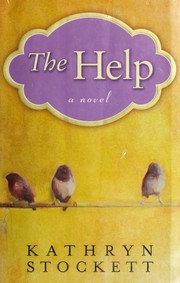
The Help
Kathryn Stockett
White narrator and Black maids exploring racism, community, and courage.
Pick this if you appreciated the interplay between private households and public prejudice; this one centers Black maids’ perspectives alongside white narrators to examine community pressures and courage.
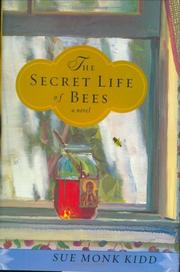
The Secret Life of Bees
Sue Monk Kidd
Young girl's coming-of-age in the segregated South, maternal bonds and healing.
Pick this if Scout’s coming-of-age and the search for maternal figures appealed to you — this novel follows a young girl’s emotional journey toward understanding and healing in the segregated South.

Roll of Thunder, Hear My Cry
Mildred D. Taylor
Black family fighting injustice in the Depression-era South through a child's eyes.
Pick this if you want a narrative that, like Scout’s, shows racial injustice through a child’s eyes. This one focuses specifically on a Black family’s resistance to white supremacy during the Depression.

The Color Purple
Alice Walker
Powerful portrait of Black women's resilience, abuse, and moral growth.
Pick this if you want a deeper, rawer interior portrait of Black women’s survival and moral growth. It’s harsher and more intimate than Lee’s novel, and more centered on abuse and recovery.
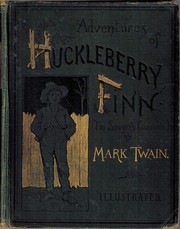
Adventures of Huckleberry Finn
Mark Twain
A boy's moral awakening amid race, friendship, and a Southern river journey.
Pick this if you liked the moral education and plainspoken child narrator. This is an earlier American classic that wrestles with race and conscience through a youth’s travels.

Native Son
Richard Wright
Unflinching look at systemic racism, violence, and moral consequences in America.
Pick this if you want a sterner, less conciliatory examination of systemic racism and its consequences; this is darker and more direct in examining social forces than To Kill a Mockingbird.
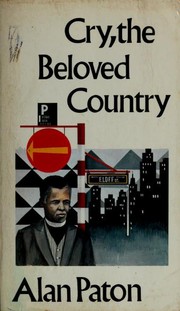
Cry, the Beloved Country
Alan Paton
Lyrical examination of racial injustice, reconciliation, and moral responsibility.
Pick this if you responded to Lee’s ethical questions about community and reconciliation and want a more overtly lyrical, sorrowful meditation on racial injustice and responsibility.

The Heart Is a Lonely Hunter
Carson McCullers
Southern outsiders, empathy, and quiet moral searching among flawed characters.
Pick this if you cherished the novel’s quieter, empathic portraits of marginalized people and want another book that studies loners and small-town empathy with a subdued, searching tone.
At a glance
Matches prioritize the novel’s core dimensions: the racial-justice courtroom element, the child’s moral education, and the Southern-community setting and voice. Percentages reflect which of those dimensions each recommendation shares most strongly.
| Book | First published | Pages | Closest match on | Match |
|---|---|---|---|---|
A Time to Kill John Grisham | 1989 | 515 | Southern courtroom stakes | 92% |
The Help Kathryn Stockett | 2009 | 479 | Domestic labour & race | 89% |
The Secret Life of Bees Sue Monk Kidd | 2000 | 303 | Girl’s coming-of-age | 86% |
Roll of Thunder, Hear My Cry Mildred D. Taylor | 1976 | 276 | Child’s view of racism | 85% |
The Color Purple Alice Walker | 1976 | 262 | Black women’s resilience | 84% |
Adventures of Huckleberry Finn Mark Twain | 1876 | 346 | Moral awakening & river journey | 82% |
Native Son Richard Wright | 1940 | 399 | Unflinching systemic critique | 80% |
Cry, the Beloved Country Alan Paton | 1940 | 278 | Lyrical moral inquiry | 78% |
The Heart Is a Lonely Hunter Carson McCullers | 1940 | 320 | Southern outsiders & empathy | 75% |
About To Kill a Mockingbird
Harper Lee’s To Kill a Mockingbird was published in 1960 and won the 1961 Pulitzer Prize for Fiction. Set in the 1930s fictional town of Maycomb, Alabama, its courtroom center and child narrator were drawn from Lee’s experiences in the American South and sparked long-running conversations about race and justice in American letters.
Frequently asked questions
Which book should I read next if I loved the courtroom drama in To Kill a Mockingbird?+
Start with A Time to Kill — it’s a contemporary Southern courtroom novel that foregrounds racial violence and the moral urgencies of a single trial, so it most closely mirrors To Kill a Mockingbird’s legal conflict.
I liked Scout’s coming-of-age perspective. What matches that voice?+
The Secret Life of Bees and Adventures of Huckleberry Finn both center youthful narrators discovering moral complexity in a segregated setting; The Secret Life of Bees adds a more explicitly feminine, healing-focused arc.
Which books explore Black women’s perspectives and community resilience?+
The Help and The Color Purple place Black women’s experiences and survival strategies at the center. The Help uses intertwined white and Black narrators to examine domestic labor and community dynamics; The Color Purple is an intimate, epistolary portrait of abuse, resilience and spiritual growth.
Are there books that show the South through a child’s eyes about racism?+
Roll of Thunder, Hear My Cry is the strongest analogue: it follows a Black family in the Depression-era South through a child’s viewpoint, focusing on daily strategies against systemic injustice.
Want recommendations based on your own favorites?
BookTwin can match you to books by mood, pacing, themes, and emotional payoff — based on 1 to 5 books you tell it you loved.
Try BookTwin