
Books Like Dreamcatcher
by Stephen King
Dreamcatcher marries two Stephen King signatures: intimate small‑town friendship and widescreen biological horror. The novel centers on four lifelong friends with a psychic connection formed in childhood and reunited for an annual hunting trip in remote, snowy Maine — just as an extraterrestrial infection and a military containment response descend on the woods. What defines the book is the interplay between tender, long‑running bonds and escalating body‑horror set pieces: psychic flashes and telepathic communication alternate with graphic, visceral transformations and a paranoid government cleanup operation.
Readers arrive via different doors. Some come for the claustrophobic group dynamics and the way shared childhood history shapes adult decisions; others want the grisly set pieces and contagion mechanics. Still others are drawn to the novel’s military‑procedural angle and the ethical mess of containment. The recommendations below are arranged by which of those elements each title echoes most closely — from other King epics that match scale to tighter, infection‑driven thrillers that mirror Dreamcatcher’s biological dread.
Recommended for fans of Dreamcatcher
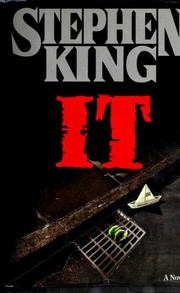
It
Stephen King
Small-town bonds confronting an ancient, shape-changing horror across time.
Pick this if you wanted the long history of a tight childhood group confronting a monstrous force; It is the closest emotional and structural match.
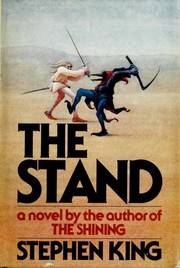
The Stand
Stephen King
Apocalyptic scope, military aftermath, and a battle between good and evil.
Pick this if you were drawn to Dreamcatcher’s larger, militarized confrontation with an existential threat — The Stand delivers that scope on an even grander, moral scale.

Cell
Stephen King
Phone-triggered epidemic causing hive-mind violence and frantic survival horror.
Pick this if it was the mechanics of infection and hive‑mind violence that gripped you; Cell zeroes in on a triggered epidemic and the breakdown of society.

Annihilation
Jeff VanderMeer
Uncanny ecological invasion with creeping body horror and mounting dread.
Pick this if you liked creeping, incomprehensible invasion and slow‑building body horror. Note: this is not a King book, but it matches the alien‑ecosystem strangeness Dreamcatcher uses (this is one of the looser tonal matches).

The Passage
Justin Cronin
Government experiment gone wrong leads to sprawling, tense post-apocalyptic thriller.
Pick this if the containment/experiment angle — and the long fallout of a scientific catastrophe — is what you want next; this novel expands that into a sprawling post‑apocalyptic saga.

The Girl With All the Gifts
M. R. Carey
Infected children, moral ambiguity, and intimate tension between caretakers and monsters.
Pick this if the tense, intimate moral dilemmas between caregivers and infected subjects intrigued you; expect a close focus on human relationships amid horror.
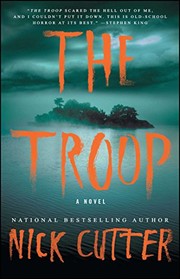
The Troop
Nick Cutter
Teen camaraderie descends into visceral biological horror and relentless dread.
Pick this if you liked the tale of a tight‑knit group facing relentless biological horror and raw, body‑centric terror; it mirrors Dreamcatcher’s combination of friendship and gore.

House of Leaves
Mark Z. Danielewski
Psychological, labyrinthine horror with creeping cosmic unease and unreliable narration.
Pick this if it was the destabilizing narrative voice and metafictional unease in Dreamcatcher that appealed to you; this is the structural and psychological match even if its subject matter differs.

World War Z
Max Brooks
Global, military-focused oral histories of an infection-driven apocalypse and human response.
Pick this if you were most interested in the military and societal response to an infection on a global scale; this offers a wide, documentary‑style view of a contagious catastrophe.
At a glance
Matches were chosen on three plot/tonal axes most relevant to Dreamcatcher: the psychic or friendship core, the contagion/body‑horror mechanics, and the novel’s scale (from intimate to apocalyptic). Percentages reflect how many of those dimensions each pick shares.
| Book | First published | Pages | Closest match on | Match |
|---|---|---|---|---|
It Stephen King | 1986 | 1168 | Childhood bonds vs. horror | 95% |
The Stand Stephen King | 1978 | 1153 | Apocalyptic scale & stakes | 92% |
Cell Stephen King | 2006 | 461 | Epidemic-driven panic | 90% |
Annihilation Jeff VanderMeer | 2014 | 208 | Uncanny ecological dread | 88% |
The Passage Justin Cronin | 2010 | 906 | Government experiment gone wrong | 86% |
The Girl With All the Gifts M. R. Carey | 2014 | 416 | Infected children & moral ambiguity | 85% |
The Troop Nick Cutter | 2014 | 363 | Teen camaraderie & visceral gore | 84% |
House of Leaves Mark Z. Danielewski | 1998 | 736 | Psychological labyrinth & form | 82% |
World War Z Max Brooks | 2006 | 422 | Global oral‑history outbreak | 80% |
About Dreamcatcher
Dreamcatcher was published in 2001 and is set in rural Maine, where Stephen King lives and locates many of his stories. The book blends King's recurrent themes — small‑town relationships, childhood trauma revisited, and supernatural invasion — with explicit body horror and military containment scenarios.
Frequently asked questions
Which Stephen King novels are closest to Dreamcatcher?+
It shares the closest emotional DNA — childhood friendships and a long shadow from the past — while The Stand shares Dreamcatcher’s large‑scale, militarized combat against an existential threat. Cell echoes Dreamcatcher’s epidemic and frantic survival elements.
Is Dreamcatcher more about friendship or about the alien infection?+
Both are central: the psychic bond among the four men provides the emotional core and recurring perspective shifts, while the alien infection supplies the plot’s escalating horrors and the novel’s procedural containment scenes.
If I liked the contagion aspect, what should I read next?+
Cell is the most direct match for a phone‑triggered epidemic and hive‑mind violence; The Stand offers a grander scale of plague and societal collapse. For intimate, clinical body horror, consider The Troop.
Are there books on this list that match Dreamcatcher’s psychological or experimental structure?+
House of Leaves shares a labyrinthine, destabilizing narrative voice and psychological unease, making it the closest structural match among the picks.
More books by Stephen King
See all 81 Stephen King guides →Want recommendations based on your own favorites?
BookTwin can match you to books by mood, pacing, themes, and emotional payoff — based on 1 to 5 books you tell it you loved.
Try BookTwin