
Books Like The Bachman Books
by Stephen King
The Bachman Books gathers Stephen King’s grimmer experiments under his Richard Bachman pseudonym: lean, often dystopian tales that strip his prose to a colder, more urgent register. These stories trade sprawling supernatural set-pieces for tight premises — a sanctioned road race, a suburban man driven to sabotage, a teenager’s punishing state contest, and an office-worker’s unraveling — all framed to interrogate violence, institutional pressure, and compromised masculinity.
Readers come to The Bachman Books for different reasons: some want King pared down to bleak economy and moral ambiguity; others want unflinching depictions of cruelty and the social systems that enable it; and some are after taut, plot-driven setups that escalate into moral brinkmanship. The picks below are chosen to mirror one or more of those appeals — from satire of consumer society to spare postapocalyptic survival, and from psychological probes of culpability to allegories of societal collapse. Each note explains which element it shares with Bachman and where it diverges.
Recommended for fans of The Bachman Books
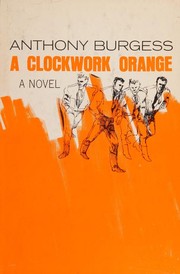
A Clockwork Orange
Anthony Burgess
Violent, satirical dystopia with moral questions and stark, provocative prose.
Pick this if you want a violent, satirical dystopia that forces moral questions through a provocative, stylized narrator; this is the closest tonal match and shares Bachman’s willingness to make readers uncomfortable.
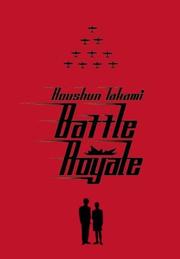
Battle Royale
Koushun Takami
Brutal, fast-paced survival horror with social critique and escalating tension.
Pick this if you liked the Bachman focus on escalating, rule‑bound contests where social critique is embedded in the violence; this is a faster, more overtly gory execution of that idea.
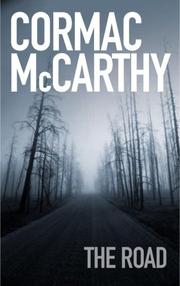
The Road
Cormac McCarthy
Bleak, spare postapocalyptic journey focused on desperation and moral choices.
Pick this if it was Bachman’s stripped prose and bleak moral stakes that gripped you — expect a quieter, elegiac style but the same relentless focus on survival and paternal/parental responsibility.
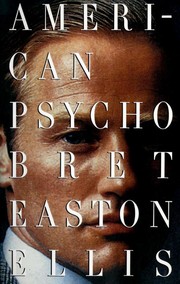
American Psycho
Bret Easton Ellis
Cold, satirical portrait of violence, consumerism, and an unreliable narrator.
Pick this if you were drawn to Bachman’s clinical depiction of a violent, consumer‑saturated society. Both portray unreliable or morally hollow protagonists and satirize late‑stage social norms.
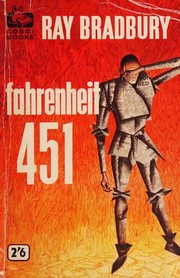
Fahrenheit 451
Ray Bradbury
Concise dystopian fable about censorship, conformity, and personal rebellion.
Pick this if you appreciated taut plotting and the sense of being pushed toward a violent reveal; this shares Bachman’s propulsive escalation, though its scope leans more adventure than social fable.
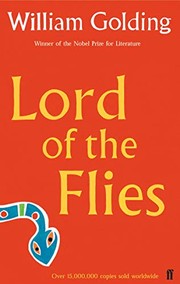
Lord of the Flies
William Golding
Harsh exploration of human cruelty and group breakdown under pressure.
Pick this if you liked the blackly comic asides and ironic tone in Bachman’s work. This matches the wit and the skewed heroics more than the austere prose or institutional critique.

We Need to Talk About Kevin
Lionel Shriver
Unsettling psychological study of violence, accountability, and parental guilt.
Pick this if the exploration of human cruelty and social collapse was what you wanted more of. Expect a raw look at group dynamics and moral disintegration similar to Bachman’s social experiments.

Never Let Me Go
Kazuo Ishiguro
Quietly dystopian, emotionally devastating meditation on humanity and fate.
Pick this if you were moved by Bachman’s capacity for emotional restraint alongside an unsettling premise; this is quieter and more elegiac, emphasizing emotional loss rather than explicit violence.

Blindness
José Saramago
Allegorical societal collapse exposing cruelty, cohesion, and moral erosion.
Pick this if you want a broad allegorical look at how civility slips into cruelty under stress. It shares Bachman’s interest in moral erosion and communal breakdown, though its narrative voice is more parable‑like.
At a glance
Matches here emphasize specific dimensions of the Bachman voice: austerity of prose, dystopian or coercive social setups, unreliable or morally compromised narrators, and escalation from ordinary premise to violent climax. Percentages reflect how many of these elements each pick shares.
| Book | First published | Pages | Closest match on | Match |
|---|---|---|---|---|
A Clockwork Orange Anthony Burgess | 1962 | 192 | Satirical moral provocation | 92% |
Battle Royale Koushun Takami | 1999 | 624 | Brutal survival pressure | 90% |
The Road Cormac McCarthy | 2006 | 256 | Bleak, spare journeying | 88% |
American Psycho Bret Easton Ellis | 1991 | 477 | Cold, satirical violence | 86% |
Fahrenheit 451 Ray Bradbury | 1953 | 190 | Pulp expedition & stakes | 85% |
Lord of the Flies William Golding | 1954 | 243 | Darkly comic adventure | 83% |
We Need to Talk About Kevin Lionel Shriver | 2003 | 468 | Group breakdown under pressure | 82% |
Never Let Me Go Kazuo Ishiguro | 2005 | 288 | Quiet dystopian ache | 80% |
Blindness José Saramago | 1999 | — | Allegory of societal collapse | 79% |
About The Bachman Books
The Bachman Books is a collected volume by Stephen King that brings together four novels originally published under the Bachman pseudonym. The book showcases King writing in a deliberately truncated, harder-edged voice and remains notable for its sustained focus on social pressure, violence and moral compromise.
Frequently asked questions
Which story in The Bachman Books is the most disturbing?+
Readers commonly point to Rage for its stark, school‑violence premise and long, uncomfortable psychological pressure, but The Long Walk and The Running Man also unsettle through their state‑enforced competitions and relentless escalation.
Is The Bachman Books horror or dystopia?+
It straddles both. King strips away supernatural apparatus to place characters into dystopian or coercive social systems; the horror often comes from people and institutions rather than monsters.
Should I read King’s Bachman novels before his other work?+
They offer a different, leaner side of King’s writing. If you want to sample his more compressed, socially critical approach first, The Bachman Books is an apt entry; otherwise, his more famous, longer novels show a broader range of tone and scale.
Are these books violent?+
Yes. Violence and its causes are central themes across the collection, depicted in a direct, often clinical manner rather than sensational ornamentation.
Which other Stephen King books are closest in tone?+
King’s shorter, bleak works and his novels that focus on institutions and ordinary people under pressure are closest in spirit — for example, several of his novellas and shorter novels elsewhere in his bibliography share this stripped‑down, confrontational mode.
More books by Stephen King
See all 81 Stephen King guides →Want recommendations based on your own favorites?
BookTwin can match you to books by mood, pacing, themes, and emotional payoff — based on 1 to 5 books you tell it you loved.
Try BookTwin