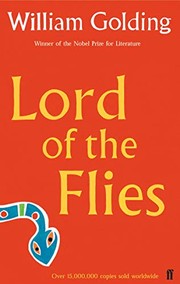
Books Like Lord of the Flies
by William Golding
Lord of the Flies centers on a single, terrifying conceit: a group of schoolboys stranded on an uninhabited island, left to organize themselves without adult authority. William Golding stages the collapse of order as a series of escalating moral choices — assemblies, hunts, ritual, and the slow corrosion of language and law — so the novel's defining mechanics are its confined setting, symbolic objects (the conch, the “beast”), and a relentless focus on how group dynamics expose human impulses.
Readers come to Golding for different precise reasons. Some want the allegorical clarity — the island-as-microcosm that turns ideology into action. Others are drawn to the psychological pressure-cooker: how fear and rivalry distort judgment when systems fail. And many respond to Golding's spare, often brutal prose that refuses comforting ambiguity. The nine books below were chosen to reflect those strands — the Victorian template Golding reacted against, darker meditations on civilization and savagery, and modern takes on youthful communities unspooling into violence.
Recommended for fans of Lord of the Flies
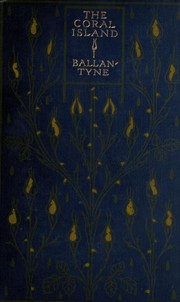
The Coral Island
R. M. Ballantyne
Victorian boys-stranded-on-island narrative Golding famously reacted against and subverts.
Pick this if you want to read the book Golding was answering: this is the Victorian boys‑on‑an‑island narrative that Lord of the Flies consciously inverts.

Heart of Darkness
Joseph Conrad
Explores civilization versus savagery and darkness within human nature.
Pick this if you were drawn to Golding’s inquiry into the darkness inside people; this novella traces a similar descent into moral ambiguity in an imperial setting.
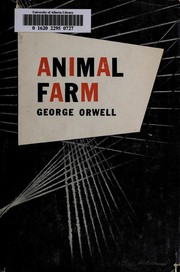
Animal Farm
George Orwell
Allegorical collapse of ideals into tyranny, concise social and political satire.
Pick this if you appreciated Lord of the Flies’ political readings and want a concise allegory about how revolutionary ideals can calcify into oppressive rule.
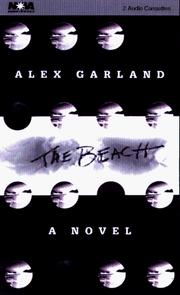
The Beach
Alex Garland
Young travelers form an isolated community that spirals into paranoia and violence.
Pick this if it was the contemporary spin on young people isolating themselves and spiraling into violence that interested you — note this is modern and visceral rather than Golding’s mid‑century fable.
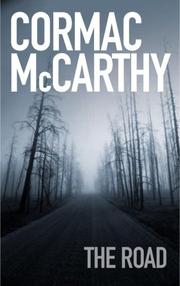
The Road
Cormac McCarthy
Bleak survival and stripped moral choices in a post-collapse world.
Pick this if you want a stripped, relentlessly bleak look at survival and moral choice; this is more overtly postapocalyptic and adult in its hopelessness than Golding's island parable.

Lord Jim
Joseph Conrad
Guilt, honor, and how isolation exposes character and moral failure.
Pick this if you were moved by themes of guilt and conscience exposed by isolation; this novella examines honor and failure under pressure in a way that complements Golding's concerns.
We
Yevgeny Zamyatin
Dystopian critique of enforced conformity and loss of individuality.
Pick this if you liked the period‑adventure feel and bold, straightforward heroism but want a different moral focus — this is more conventional expedition fiction and a looser thematic fit.
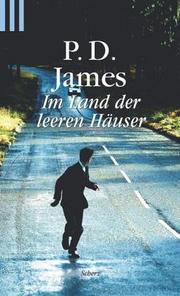
The Children of Men
P. D. James
Dystopian breakdown of society and fragile human morality under crisis.
Pick this if you’re interested in how social order unravels when institutions fail; this novel imagines a broader dystopian collapse with similar ethical fragility, though on a national scale.
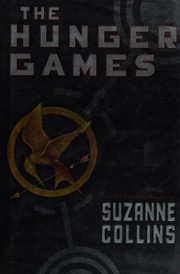
The Hunger Games
Suzanne Collins
Youth thrust into survival, societal spectacle, and ethical compromises under pressure.
Pick this if you responded to the idea of children or adolescents forced into life‑and‑death competition; this is a genre thriller that shares the youth‑under-pressure premise but emphasizes spectacle and entertainment more than Golding’s allegory.
At a glance
Matches were selected for how they echo Lord of the Flies’ core elements: stranded or isolated communities, the tension between order and violence, and the moral psychology of characters under pressure. Some are direct thematic cousins; others match tone or social critique more loosely.
| Book | First published | Pages | Closest match on | Match |
|---|---|---|---|---|
The Coral Island R. M. Ballantyne | 1858 | 256 | Subverted island template | 88% |
Heart of Darkness Joseph Conrad | 1899 | 136 | Civilization vs. darkness | 86% |
Animal Farm George Orwell | 1945 | 128 | Allegory of power | 84% |
The Beach Alex Garland | 1996 | 445 | Youthful community unravels | 82% |
The Road Cormac McCarthy | 2006 | 256 | Bleak survival ethics | 80% |
Lord Jim Joseph Conrad | 1900 | 360 | Isolation & moral failure | 76% |
We Yevgeny Zamyatin | 1983 | 47 | Victorian treasure/exploration tone | 74% |
The Children of Men P. D. James | 1992 | 316 | Societal collapse under crisis | 72% |
The Hunger Games Suzanne Collins | 2008 | 399 | Youth survival spectacle | 70% |
About Lord of the Flies
Lord of the Flies was first published in 1954 and quickly became a landmark of postwar British fiction. Golding wrote it as a deliberate counterpoint to idealized imperial-era adventure stories about boys stranded on islands. The novel has since become a staple of school curricula and a touchstone for debates about human nature and political order.
Frequently asked questions
What books explore the same theme of civilization versus savagery?+
Heart of Darkness and Lord Jim both probe the fragility of civilized behavior when characters leave familiar institutions behind; Animal Farm offers a more overt political allegory about how ideals degrade into tyranny. Each approaches the theme from a different angle — psychological, existential, and satirical, respectively.
Is Lord of the Flies based on an earlier book about boys on an island?+
Yes. Golding wrote Lord of the Flies in part as a reaction to the Victorian boys’-adventure model exemplified by The Coral Island, which portrays island life as wholesome and adventurous; Golding deliberately subverts that optimism.
Which modern novels capture the same breakdown of a youth community?+
The Beach explores contemporary travelers forming an isolated community that deteriorates into paranoia and violence, while The Hunger Games shares the premise of youths forced into extreme survival situations that expose ethical compromise.
How does Lord of the Flies relate to dystopian fiction?+
While not a classic state-level dystopia, Lord of the Flies overlaps with works like We and The Children of Men in showing how social structures can suppress individuality or collapse under crisis. The scale is smaller, but the moral questions are similar.
Want recommendations based on your own favorites?
BookTwin can match you to books by mood, pacing, themes, and emotional payoff — based on 1 to 5 books you tell it you loved.
Try BookTwin