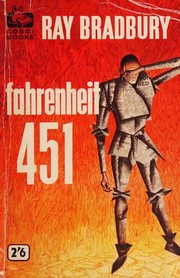
Books Like Fahrenheit 451
by Ray Bradbury
Fahrenheit 451 is built from two unmistakable mechanics: an explicit censorship device (state-sanctioned book burning) and a moral-psychological arc that follows one man's awakening. Guy Montag starts as a complicit fireman whose job is to destroy books, and the novel measures how exposure, curiosity and personal loss push him from numbed conformity into active dissent. Bradbury pairs terse dystopian set pieces with lyrical asides about loss — of memory, of attention, of private interior life — so the book moves as much by idea and metaphor as by plot.
Readers come to Fahrenheit 451 for different, specific reasons: the replaying of authoritarian tactics (book burning, propaganda, surveillance), the elegiac mourning for literature and conversation, or the intimate conversion story of a single character who chooses to remember. Some will want works that deepen the political warning; others will want quieter meditations on memory and identity. The nine recommendations below are chosen to reflect those distinct entry points, with a clear note on which facet of Bradbury each book echoes.
Recommended for fans of Fahrenheit 451
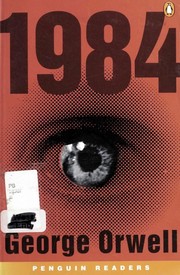
1984
George Orwell
Totalitarian surveillance and book-burning spirit mirror Bradbury's warning.
Pick this if you want the most direct political analogue to Fahrenheit 451’s state-enforced suppression of dissent and an explicit apparatus for rewriting truth.
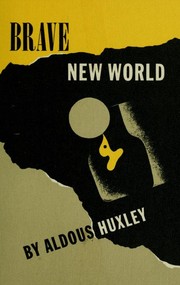
Brave New World
Aldous Huxley
Technological control and lost humanity echo Fahrenheit 451's social critique.
Pick this if you were drawn to the idea of engineered happiness and societal complacency: it examines control through pleasure and conditioning rather than overt book burning.
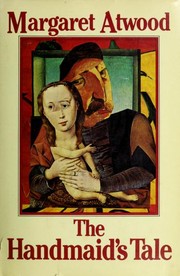
The Handmaid's Tale
Margaret Atwood
Repressive society and the erasure of autonomy parallel Bradbury's themes.
Pick this if you want a visceral, character-driven portrait of life under a repressive regime and the slow accrual of personal dissent that echoes Montag’s arc.
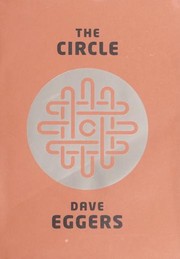
The Circle
Dave Eggers
Contemporary tech-driven surveillance and conformity resonate with Fahrenheit 451 concerns.
Pick this if you want a modern take on how technology flattens privacy and promotes conformity; it's a nearer-term, Silicon-Age cousin to Bradbury's warnings.
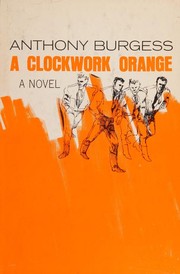
A Clockwork Orange
Anthony Burgess
State control versus individual freedom, told in striking, provocative prose.
Pick this if you appreciated Fahrenheit 451’s moral extremes and want a text that forces ethical questions through startling language and a contentious protagonist.

The Trial
Franz Kafka
Absurd, oppressive bureaucracy evokes the dehumanizing forces in Bradbury's world.
Pick this if the oppressive, Kafkaesque machinery of law and the alienation it produces were what gripped you; this is more surreal and nightmarish than Bradbury’s prose.

Never Let Me Go
Kazuo Ishiguro
Quiet, elegiac dystopia about humanity, memory, and moral blindness.
Pick this if you liked Bradbury’s quieter passages about what makes us human and prefer a restrained, melancholic story about memory, loss and care.
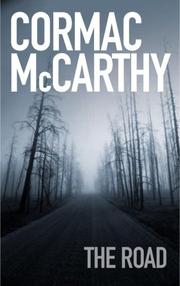
The Road
Cormac McCarthy
Bleak, lyrical post-apocalyptic tale of survival and moral choices.
Pick this if you were moved by the novel’s elegiac tone and interest in what people keep after collapse; it's a bleaker, sparser meditation on survival than Bradbury’s book.
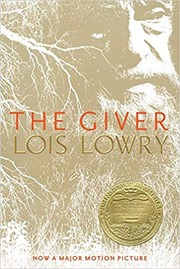
The Giver
Lois Lowry
Controlled, sanitized society where suppressed knowledge sparks rebellion.
Pick this if you want a simpler, young-adult-scaled version of a society that suppresses knowledge and where the discovery of truth ignites rebellion.
At a glance
Matches were chosen on three concrete dimensions: the presence of state or technological censorship/ control, the novel's moral-or-individual awakening arc, and the tone (lyrical lament versus polemical warning). Percentages reflect how many of those dimensions each pick shares with Bradbury's book.
| Book | First published | Pages | Closest match on | Match |
|---|---|---|---|---|
1984 George Orwell | 2003 | — | Totalitarian control theme | 95% |
Brave New World Aldous Huxley | 1932 | — | Engineered social order | 92% |
The Handmaid's Tale Margaret Atwood | 1985 | — | Gendered authoritarianism | 90% |
The Circle Dave Eggers | 2013 | — | Contemporary tech surveillance | 85% |
A Clockwork Orange Anthony Burgess | 1962 | — | Provocative moral questions | 83% |
The Trial Franz Kafka | 1925 | — | Absurd bureaucracy & guilt | 80% |
Never Let Me Go Kazuo Ishiguro | 2005 | — | Elegiac humanism | 78% |
The Road Cormac McCarthy | 2006 | — | Bleak survival & lyricism | 76% |
The Giver Lois Lowry | 1993 | — | Controlled, sanitized society | 70% |
About Fahrenheit 451
Ray Bradbury's Fahrenheit 451 was first published in 1953 and grew out of his concerns about censorship, mass media and the decline of critical reading. It was written in the wake of early Cold War anxieties—especially the cultural effects of McCarthyism and the rapid spread of television—and remains one of the central mid-20th-century dystopias.
Frequently asked questions
Is Fahrenheit 451 primarily about censorship or technology?+
Both. Bradbury frames the novel around deliberate book-burning and cultural suppression, but he also critiques how passive entertainment and screens erode attention. Some recommendations here lean more political, others more technological or elegiac.
Which book on this list is most like Fahrenheit 451 politically?+
1984 is the closest political analogue: it shares an explicit totalitarian apparatus aimed at thought control and the systematic erasure of truth. Several others, like The Handmaid's Tale and The Circle, pick up different flavors of social control.
Which picks match Fahrenheit 451’s tone of mournful lyricism?+
Never Let Me Go and The Road mirror Bradbury's elegiac, reflective side: they are quieter, focusing on memory, loss and what remains of humanity under dehumanizing systems.
Are there books here that focus on individual awakening like Montag’s?+
Yes. A Clockwork Orange and The Trial put a single protagonist’s confrontation with oppressive systems at center stage, while The Handmaid's Tale follows an inner transformation into resistance.
Did Bradbury write other books with similar themes?+
Yes. The Martian Chronicles and Something Wicked This Way Comes revisit Bradbury’s recurring concerns about nostalgia, censorship of imagination, and the costs of modern complacency.
Want recommendations based on your own favorites?
BookTwin can match you to books by mood, pacing, themes, and emotional payoff — based on 1 to 5 books you tell it you loved.
Try BookTwin