
Books Like Cell
by Stephen King
Cell centers on a single, modern terror: a mysterious signal sent over the global cellphone network that transforms ordinary people into homicidal, trance-like “phoners.” King stages the catastrophe as sudden, electrical and contagion-driven, then follows a ragged band of survivors through ruined neighborhoods and fractured cities as they chase safety, answers and the thin hope of reversing the madness. The novel leans hard on immediacy — short, punchy scenes, abrupt violence, and technology-as-horror — while also mining Stephen King’s recurring themes of friendship under stress, the costs of leadership, and the moral decisions survivors must make.
If you loved Cell, you probably responded to one or more of its distinct features: a tech-based pandemic with visually nightmarish effects; the fast, episodic momentum as civilization unravels; a small-group survival story anchored by a flawed but resourceful protagonist; or a grim, thought-provoking aftermath rather than neat closure. The nine suggestions below are chosen to match those specific elements — some hit the contagion and scope, others mirror the claustrophobic dread or the moral weight of surviving a ruined world.
Recommended for fans of Cell
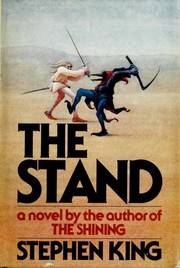
The Stand
Stephen King
Epic pandemic collapse with horror, survivors and moral reckonings echoing Cell's scope.
Pick this if you want another Stephen King epic about societal breakdown and the moral choices survivors must make; this is the closest match in scope and theme.

World War Z
Max Brooks
Oral-history of global collapse and zombie-like contagion, fast-moving and panoramic.
Pick this if you appreciated Cell’s global implications and want a fast-moving, multi-voice account of a contagion’s worldwide effects — note this is an oral-history format, not a single narrative.
Swan Song
Robert R. McCammon
Post-apocalyptic journey with horror, memorable survivors, and grim hope similar to Cell.
Pick this if it was the long, character-driven pilgrimage through ruined America that hooked you; this offers memorable survivors and the same grim-but-hopeful feel as Cell’s journey segments.
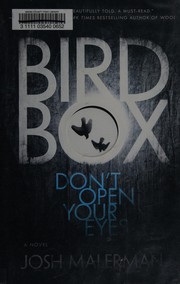
Bird Box
Josh Malerman
Claustrophobic, high-tension survival horror driven by an unseen, sanity-shredding threat.
Pick this if you responded to Cell’s claustrophobic dread and tension about an invisible peril. This one emphasizes sensory deprivation and high-stakes survival with a similarly tight, urgent tone.
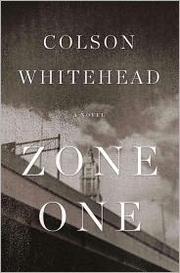
Zone One
Colson Whitehead
Literary, bleak take on urban zombie cleanup with sharp social observation.
Pick this if you liked the idea of aftermath and urban scouring more than the initial collapse. This is a literary, reflective take on clearing a city after an infection, with sharper social observation.

The Passage
Justin Cronin
Mass-infection epic blending horror and sprawling, character-driven post-apocalyptic storytelling.
Pick this if you want a wide-ranging, character-rich saga about mass infection and its long-term consequences. It shares the grand, serialized ambition, though its pacing and myth-building go further from Cell’s immediate, tech-horror focus.
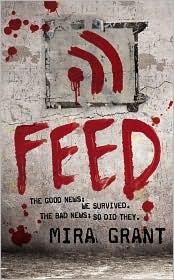
Feed
Mira Grant
Media-savvy, fast-paced viral outbreak story with investigative edge and zombie threat.
Pick this if the interplay of journalism, online media and investigative urgency appealed to you. This is a faster, politically attuned viral-thriller perspective — thematically close but with a stronger media focus.
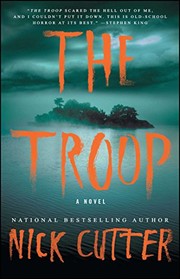
The Troop
Nick Cutter
Brutal biological-horror with visceral body-horror and escalating isolation dread.
Pick this if it was the body-horror and escalating isolation in Cell that gripped you. This offers a far more graphic, brutal look at contagion’s physical and psychological toll; expect harsher violence.
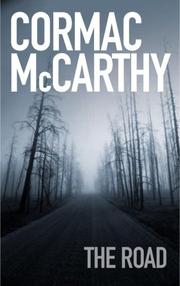
The Road
Cormac McCarthy
Bleak, emotionally raw post-apocalyptic survival focusing on atmosphere and humanity's remains.
Pick this if you want the quiet, emotional, and devastatingly sparse vision of a ruined world. This is the loosest stylistic fit — no technological pulse — but it matches Cell’s bleakness and concern for what humanity becomes.
At a glance
Matches were selected across three practical dimensions: the contagion or mechanism of collapse (technology, virus, or other), the narrative tempo (breathless collapse versus slow aftermath), and the moral/character focus on small groups of survivors — the elements readers most frequently cite as reasons they liked Cell.
| Book | First published | Pages | Closest match on | Match |
|---|---|---|---|---|
The Stand Stephen King | 1978 | 1153 | Pandemic-scale collapse | 94% |
World War Z Max Brooks | 2006 | 422 | Panoramic outbreak chronicle | 89% |
Swan Song Robert R. McCammon | 1978 | 956 | Post-apocalyptic road quest | 87% |
Bird Box Josh Malerman | 2001 | 36 | Unseen, sanity-shredding threat | 83% |
Zone One Colson Whitehead | 2011 | 280 | Literary zombie cleanup | 82% |
The Passage Justin Cronin | 2010 | 906 | Sprawling infection epic | 81% |
Feed Mira Grant | 2010 | 596 | Virus & media-savvy angle | 79% |
The Troop Nick Cutter | 2014 | 363 | Visceral biological horror | 76% |
The Road Cormac McCarthy | 2006 | 256 | Bleak, literary aftermath | 75% |
About Cell
Cell is a 2006 novel by Stephen King that imagines a catastrophic pulse sent through mobile phones that converts listeners into violent, hive-minded attackers called “phoners.” The book combines modern technology’s ubiquity with King’s long-standing interest in apocalyptic breakdown and survival dynamics.
Frequently asked questions
Is Cell about zombies?+
Sort of. Cell’s antagonists are called “phoners” and behave like zombie-like, hive-minded killers, but their origin is a technology-based pulse rather than a biological pathogen. If you want a broader oral-history take on global collapse, World War Z is among the picks below.
Which Stephen King book feels most like Cell?+
The Stand is King’s closest analogue in scale and theme: a pandemic-style collapse, large moral questions and a sprawling survivors-versus-aftermath structure. Both deal with societal breakdown and small-group struggles within that context.
Do any recommended books explain the cause the way Cell tries to?+
Some do, some don’t. The Passage offers a sweeping explanation embedded in its worldbuilding, while Bird Box and Zone One are more interested in the experience and consequences of the threat than in full scientific explanation.
I liked the tech angle in Cell. Are there similar picks?+
World War Z and Feed bring contemporary media and technological frames to outbreak storytelling, and The Troop emphasizes biological horror, but none replicate King’s exact smartphone-origin premise; these are thematic, not identical, matches.
Which pick is the bleakest and most literary?+
If you want a spare, emotionally raw tone and bleakness akin to the aftermath in parts of Cell, The Road is the most literary and desolate match listed here.
More books by Stephen King
See all 81 Stephen King guides →Want recommendations based on your own favorites?
BookTwin can match you to books by mood, pacing, themes, and emotional payoff — based on 1 to 5 books you tell it you loved.
Try BookTwin