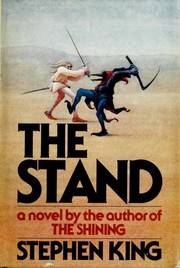
Books Like The Stand
by Stephen King
The Stand is built from two powerful storytelling engines: an apocalyptic premise that shreds the institutions of modern life, and a moral framework that turns survival into a clash between opposing mythic forces. King's novel opens with a weaponized influenza that wipes out most of humanity, then follows dozens of survivors as they raft toward two poles of authority — a compassionate, makeshift democracy and a charismatic, malevolent leader — while threaded through are visions, prophecies and personal reckonings. The scale is both panoramic (towns and cities emptied, entire infrastructures collapsing) and intimate (quiet bedside moments, shattered marriages, small acts that decide fates).
Readers come to The Stand for different reasons: the sprawling, ensemble storytelling; the chilling, slow-motion collapse of society; the moral duel between good and evil embodied in characters; or King's mix of horror, folk myth and compassionate detail. The selections below map to those different hooks — some mirror the epic sweep and moral stakes, others match the pandemic-to-recovery arc or the quiet reconstruction after catastrophe. Each pick note explains which part of The Stand it echoes, and where it departs, so you can pick by the exact element that mattered most to you.
Recommended for fans of The Stand
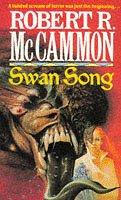
Swan Song
Robert R. McCammon
Epic post-apocalyptic sweep with good vs. evil stakes and large ensemble cast.
Pick this if you want an almost direct counterpart to The Stand's sweeping morality play and ensemble of survivors. Swan Song matches the apocalyptic scale, the elegiac tone and the sense that the world itself is reborn — very close to The Stand in spirit.

The Passage
Justin Cronin
Massive scope, pandemic origins, and multi-generational survival narrative.
Pick this if you were hooked by The Stand's pandemic origin and century-spanning consequences. The Passage shares a similar outbreak-to-myth arc and a multi-generational timeline that traces how catastrophe reshapes societies.

Lucifer's Hammer
Larry Niven
Disaster-driven societal collapse with community-building and practical survival focus.
Pick this if you loved the logistics of starting over — food, governance, defendable settlements. Lucifer's Hammer focuses on community-building and the gritty, engineering side of survival more than the mystical or ideological conflict.
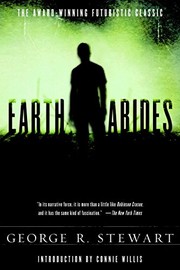
Earth Abides
George R. Stewart
Quiet, reflective aftermath of civilization's collapse and cultural rebuilding.
Pick this if it was the long-term cultural consequences and the preservation (or loss) of knowledge that stayed with you. Earth Abides is slower and more reflective, showing how civilization erodes and then recomposes itself across decades.
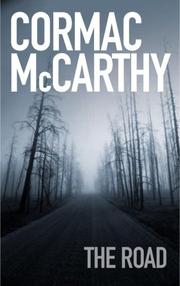
The Road
Cormac McCarthy
Bleak, intimate father-son journey through a devastated world, powerful emotional core.
Pick this if you connected most with The Stand's human cost and wanted a tighter, darker character study. The Road strips the scope to an intimate father–child journey and a relentlessly bleak emotional landscape.

Station Eleven
Emily St. John Mandel
Interwoven lives before and after a pandemic, lyrical and hope-tinged.
Pick this if you liked the way The Stand threads characters' pasts into the post-plague present. Station Eleven offers interlaced timelines and a lyrical focus on art, memory and small communities after collapse — it's more elegiac and less militarized.
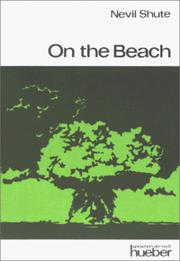
On the Beach
Nevil Shute
Poignant, inevitable aftermath of global catastrophe and human dignity in decline.
Pick this if you were drawn to The Stand's sober reckoning with human dignity as systems fail. On the Beach shares that poignancy and sense of impending finality, though it emphasizes resignation over the militant showdown angle.

World War Z
Max Brooks
Oral-history format detailing global response to pandemic-scale threat and survival.
Pick this if you appreciated The Stand's survey of how different societies respond and want an even broader catalogue of reactions. World War Z uses an oral-history format to map global responses and institutional failures; it's structural, report-like rather than novelistic.

The Girl with All the Gifts
M. R. Carey
Character-driven weird-pandemic story blending horror, ethics, and hope.
Pick this if you liked stories that mix pandemic horror with ethical dilemmas centered on one or two pivotal characters. The Girl with All the Gifts is more compact and speculative than The Stand but shares the blend of empathy, horror and a cautious hope.
At a glance
These matches were chosen on three dimensions central to The Stand: scale of catastrophe and recovery, presence of a wide ensemble or multi-generational scope, and the moral or ideological conflict that structures the aftermath. Percentages reflect how many of those dimensions a title shares.
| Book | First published | Pages | Closest match on | Match |
|---|---|---|---|---|
Swan Song Robert R. McCammon | 1978 | 956 | Epic good vs. evil | 95% |
The Passage Justin Cronin | 2010 | 906 | Pandemic & scope | 92% |
Lucifer's Hammer Larry Niven | 1977 | 639 | Practical survival & rebuilding | 88% |
Earth Abides George R. Stewart | 1949 | 368 | Quiet cultural rebuilding | 87% |
The Road Cormac McCarthy | 2006 | 256 | Bleak intimacy & emotional core | 85% |
Station Eleven Emily St. John Mandel | 2014 | 352 | Interwoven pre/post pandemic lives | 83% |
On the Beach Nevil Shute | 1957 | 292 | Poignant, inevitable aftermath | 80% |
World War Z Max Brooks | 2006 | 422 | Global, many-voice perspective | 78% |
The Girl with All the Gifts M. R. Carey | 2014 | 416 | Moral-horror & hopeful twist | 76% |
About The Stand
First published in 1978, The Stand is Stephen King's epic novel of pandemic and post-apocalyptic remaking of society; King issued an expanded edition in 1990. It follows a large cast of survivors as a catastrophic flu decimates the population and two opposing leaders draw followers toward a final confrontation.
Frequently asked questions
What should I read after The Stand if I want more epic post-apocalyptic storytelling?+
Start with Swan Song — it has a comparably vast cast, vivid set-piece scenes of societal collapse and a clear good-vs-evil structure. The Passage is another close fit if you want a pandemic-origin and multi-generational scope.
Which books explore the practical work of rebuilding society like in The Stand?+
Lucifer's Hammer foregrounds pragmatic community-building and governance after disaster; Earth Abides offers a quieter, longer view of cultural rebuilding and how knowledge is preserved or lost.
Are there more intimate, character-driven books with emotional weight similar to The Stand?+
The Road pares the scope down to an intimate, brutal father–son relationship and a bleak ethical core, while The Girl with All the Gifts blends personal drama with the moral complexity of a pandemic scenario.
I liked The Stand's oral histories and wide perspective — is there a nonfiction-style equivalent here?+
World War Z isn't nonfiction, but its oral-history structure offers a panoramic, many-voice account of a global calamity, emphasizing varied human responses across nations and communities.
More books by Stephen King
See all 81 Stephen King guides →Want recommendations based on your own favorites?
BookTwin can match you to books by mood, pacing, themes, and emotional payoff — based on 1 to 5 books you tell it you loved.
Try BookTwin