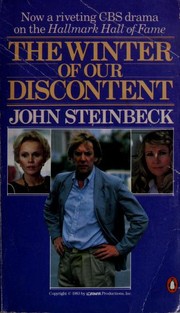
Books Like The Winter of Our Discontent
by John Steinbeck
John Steinbeck’s The Winter of Our Discontent is a moral catastrophe rendered in easy, calm prose. The novel follows Ethan Allen Hawley, a man once content with his family’s modest standing, as he confronts financial pressure, social envy and the slow corrosion of his ethical boundaries. Steinbeck stages the book as a contemporary parable: small compromises cascade into larger betrayals, and the novel’s power comes from watching a familiar, respectable life unravel under the weight of greed, pride and civic rot.
If you loved this book, ask yourself which part pulled you in: the portrait of a small town that magnifies every failure; the psychological tracing of a single man’s moral descent; or Steinbeck’s crisp social diagnosis of postwar American materialism. The nine titles below are grouped by those impulses — novels that interrogate respectability, chronicling private ruin, or mapping the corrosive effects of ambition and compromise in tight-knit communities. Each entry notes where it echoes Steinbeck and where it diverges, so you can pick the nearest kind of discomfort you want to read next.
Recommended for fans of The Winter of Our Discontent
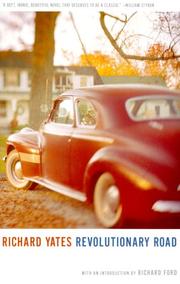
Revolutionary Road
Richard Yates
Suburban malaise and moral compromise mirroring domestic despair and failed dreams.
Pick this if you want a surgical, merciless look at married life and suburban dreams collapsing under social pressure. This is one of the closest tonal matches on the list.
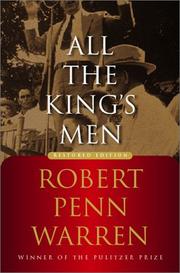
All the King's Men
Robert Penn Warren
Power, corruption, and personal ruin in an American political and moral landscape.
Pick this if you were drawn to how private moral failure connects to public life and want a larger, politically inflected study of ambition and ruin rather than a small-town parable.
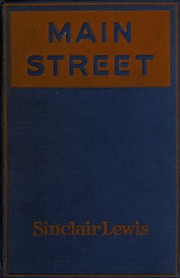
Main Street
Sinclair Lewis
Sharp critique of small-town conformity and stifled ambition.
Pick this if it was Steinbeck’s critique of conformity and civic complacency that resonated. Expect sharper satire and a focus on community institutions rather than interior moral wrestling alone.

The Heart Is a Lonely Hunter
Carson McCullers
Tender, melancholic portraits of isolated lives in a provincial town.
Pick this if you were moved by Steinbeck’s sympathetic attention to isolated souls in a small town. This one is quieter and more lyrical — less moral indictment, more steady empathy.
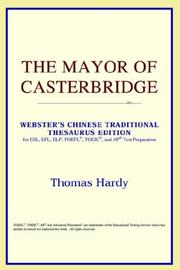
The Mayor of Casterbridge
Thomas Hardy
A man's moral downfall and relentless consequences in a tightly knit community.
Pick this if you want to follow a single man’s irreversible ethical collapse in a tight community that never lets him forget his mistakes. It’s older in setting but similar in consequence.
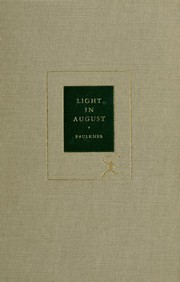
Light in August
William Faulkner
Southern moral complexities, social ostracism, and haunting personal tragedies.
Pick this if you liked the moral ambiguity and social ostracism in Steinbeck’s town but want that complexity reimagined in a Southern milieu, with a denser, more elliptical prose style.
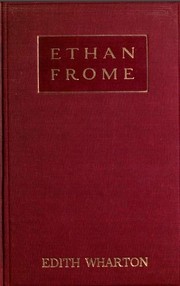
Ethan Frome
Edith Wharton
Bleak moral choices and suffocating small-town circumstances with tragic payoff.
Pick this if the crushing, almost physical pressure of small‑town life was your draw. This is a shorter, frost‑bitten study of suffocation and impossible choices.

Olive Kitteridge
Elizabeth Strout
Interlinked portraits of a town revealing quiet cruelty, regret, and moral complexity.
Pick this if you appreciated how Steinbeck diagnoses a community by examining multiple lives. This book uses interlinked vignettes to reveal petty cruelties and quiet regrets, though in a contemporary voice.
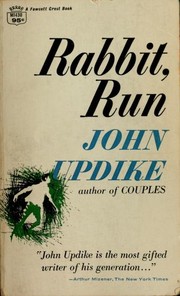
Rabbit, Run
John Updike
Personal failure and restless escape within suburban expectations and moral uncertainty.
Pick this if you were interested in the protagonist’s desire to flee moral failure or social expectation. It shares themes of personal failure and restless movement, but it’s more about flight than moral reckoning.
At a glance
These recommendations prioritize the novel’s central dimensions: a focused study of moral decline, a small‑town social setting that amplifies personal failure, and a sober, often searing moral voice. Matches are ranked by how many of those features they share with Steinbeck’s book.
| Book | First published | Pages | Closest match on | Match |
|---|---|---|---|---|
Revolutionary Road Richard Yates | 1961 | 337 | Domestic despair & compromise | 92% |
All the King's Men Robert Penn Warren | 1946 | 518 | Power and corruption | 90% |
Main Street Sinclair Lewis | 1634 | 451 | Small‑town social critique | 88% |
The Heart Is a Lonely Hunter Carson McCullers | 1940 | 320 | Tender provincial portraits | 86% |
The Mayor of Casterbridge Thomas Hardy | 1800 | 363 | Tragic moral downfall | 85% |
Light in August William Faulkner | 1931 | 480 | Complex Southern morality | 84% |
Ethan Frome Edith Wharton | 1910 | 98 | Bleak small‑town constraints | 82% |
Olive Kitteridge Elizabeth Strout | 2007 | 288 | Linked town portraits | 80% |
Rabbit, Run John Updike | 1960 | 308 | Restlessness and escape | 79% |
About The Winter of Our Discontent
Published in 1961, The Winter of Our Discontent was John Steinbeck’s last major novel set in the United States. It centers on Ethan Allen Hawley, an ordinary man whose ethical compromises reflect Steinbeck’s critique of mid‑20th‑century American commercialism and social decline. The book followed Steinbeck’s Nobel Prize in Literature (awarded in 1962) and attracted both praise and controversy for its moral seriousness.
Frequently asked questions
Is The Winter of Our Discontent autobiographical?+
Steinbeck didn’t write it as a literal memoir, but he drew on widespread anxieties of postwar America and long-standing concerns from his other works about social change and materialism. If you want more of Steinbeck’s moral imagination, read his earlier, issue-driven novels.
Which books explore similar moral downfall and community pressure?+
Revolutionary Road and All the King’s Men are the closest tonal and thematic peers on this list: one examines domestic collapse under social expectation, the other maps political corruption and personal ruin. Main Street and The Heart Is a Lonely Hunter also focus on provincial pressures that shape private lives.
Are there Steinbeck novels that feel similar?+
Yes. The Winter of Our Discontent shares moral focus and small‑town scrutiny with several of Steinbeck’s own novels that examine social injustice and personal compromise; readers often pair it with his earlier, socially committed works.
Does the book end optimistically?+
No. Steinbeck offers no tidy redemption; the conclusion leaves the protagonist and his community morally ambiguous and unsettled, which is why many readers seek out other novels that dwell honestly with bleak consequences.
More books by John Steinbeck
See all 15 John Steinbeck guides →Want recommendations based on your own favorites?
BookTwin can match you to books by mood, pacing, themes, and emotional payoff — based on 1 to 5 books you tell it you loved.
Try BookTwin