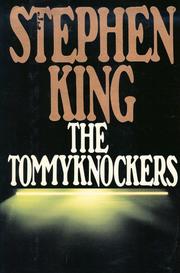
Books Like The Tommyknockers
by Stephen King
The Tommyknockers is a small-town invasion story that rides on two linked engines: an escalating, physical contagion and a creeping sense of everyday life unravelling. In the Maine town of Haven, an unearthed alien device accelerates invention, loosens inhibitions and rewires bodies and minds — but it also corrodes language, memory and compassion. King balances grotesque body-horror transformations with sharp, intimate scenes of neighbors turning on each other, and he threads the narrative with that familiar King preoccupation: addiction, both literal and metaphorical.
Readers who love The Tommyknockers usually respond to one of its specific mechanics. Some want the small-town microcosm where gossip and grudges amplify a supernatural threat; others want the contagion-as-metaphor, the sense that an external force erases identity; some are after the mounting, almost febrile escalation from oddness to full catastrophe. The nine books below were chosen to reflect those distinct appeals: examples of invasive phenomena, takeover-by-contagion, isolated-group horror, slow-burn cosmic dread, and the apocalyptic consequences of a spreading menace. Each pick notes the exact angle it matches — and where it diverges — so you can pick the next read by the element of King’s book you most want to extend.
Recommended for fans of The Tommyknockers

The Midwich Cuckoos
John Wyndham
Quiet town upended by an inexplicable, invasive phenomenon and escalating dread.
Pick this if you want an uncanny phenomenon that quietly infects a community’s social fabric. Wyndham’s Midwich Cuckoos maps the same progression of ordinary town life being overturned by an inexplicable invasion — its focus is on collective change and the moral panic that follows, making it a very close thematic match.
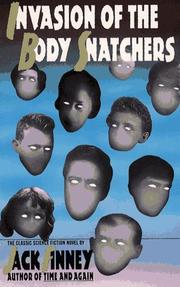
Invasion of the Body Snatchers
Jack Finney
Paranoia and identity loss as an unseen contagion replaces people.
Pick this if it was the paranoia about who is still ‘human’ that gripped you. Invasion of the Body Snatchers centers on an unseen replacement process that erodes identity and trust in exactly the way Haven’s townspeople come to distrust one another.

Cell
Stephen King
Sudden technological contagion transforms society into violent, altered humans.
Pick this if you want another Stephen King treatment of a sudden, society‑shaking phenomenon. Cell translates the concept into a technological contagion that reduces people to violent, altered states — structurally and tonally the closest King-to-King follow-up here.
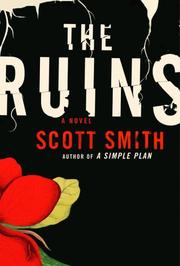
The Ruins
Scott Smith
Isolated group faces a relentless, uncanny natural horror that consumes them.
Pick this if you were drawn to the bodily, relentless horror and the way ordinary people are consumed by an external organism. The Ruins frames that same premise in a claustrophobic, escalating survival context; note, however, it’s focused on a trapped group rather than a town-wide takeover.
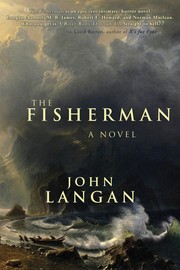
The Fisherman
John Langan
Slow-burn cosmic horror built on grief, folklore, and unfathomable forces.
Pick this if you appreciated the book’s undercurrent of ancient, unfathomable forces and the slow accumulation of dread. The Fisherman shares that patient cosmic-horror tempo built around grief and folklore, though it’s less about contagion and more about layered mythic menace.
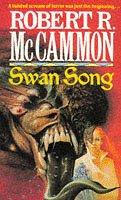
Swan Song
Robert R. McCammon
Epic, grim post-apocalyptic survival with supernatural overtones and small-community arcs.
Pick this if you liked the epic aftermath of a spreading catastrophe. Swan Song explores large-scale, grim post-apocalyptic survival with supernatural overtones and interlocking small-community stories — more epic in scope than The Tommyknockers’ confined-town focus.
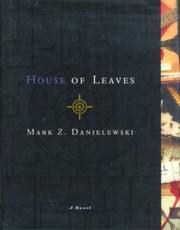
House of Leaves
Mark Z. Danielewski
Unnerving, layered exploration of a house that warps reality and sanity.
Pick this if the unnerving, reality-warping side of King appealed to you. House of Leaves delivers a layered, disorienting exploration of a space that chews at sanity; it’s a match for psychological destabilization, though it lacks The Tommyknockers’ explicit biological contagion.
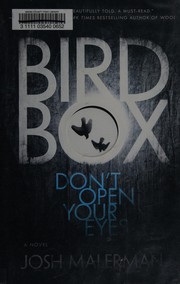
Bird Box
Josh Malerman
Unseen external threat forces isolation, suspense, and escalating desperation.
Pick this if you responded to the dread of an invisible menace that forces isolation and escalating desperation. Bird Box centers on an unseen external danger that reshapes behavior and community — a strong match on mood, weaker on the specific mechanics of infection.
The Shadow Over Innsmouth
H. P. Lovecraft
Decayed seaside town conceals ancient, invasive otherness and communal corruption.
Pick this if it was the image of a decayed coastal community hiding communal corruption that drew you in. The Shadow Over Innsmouth shares the seaside-setting and the slow revelation of communal complicity with an invasive otherness; be aware this is more atmospheric and mythic than King’s modern-tech-inflected contagion.
At a glance
Matches prioritize three concrete dimensions of The Tommyknockers: (1) a small-town or confined community invaded by an inexplicable force, (2) a contagious process that alters identity or body, and (3) an escalation from uncanny signs to full collapse. Percentages reflect how many of those dimensions each pick shares, and notes flag when a match is primarily thematic rather than structural.
| Book | First published | Pages | Closest match on | Match |
|---|---|---|---|---|
The Midwich Cuckoos John Wyndham | 1957 | 220 | Small-town takeover | 90% |
Invasion of the Body Snatchers Jack Finney | 1978 | 200 | Paranoia & identity loss | 88% |
Cell Stephen King | 2006 | 461 | King’s contagion-as-collapse | 85% |
The Ruins Scott Smith | 2005 | 336 | Isolated group facing relentless nature | 80% |
The Fisherman John Langan | 2016 | 304 | Slow-burn cosmic dread | 78% |
Swan Song Robert R. McCammon | 1978 | 956 | Apocalyptic sweep & communities | 76% |
House of Leaves Mark Z. Danielewski | 1998 | 736 | Reality‑warping atmosphere | 74% |
Bird Box Josh Malerman | 2001 | 36 | Threat you can’t see | 72% |
The Shadow Over Innsmouth H. P. Lovecraft | 1936 | 110 | Decayed seaside town & communal corruption | 70% |
About The Tommyknockers
The Tommyknockers was published in 1987 and is set in the fictional Maine town of Haven. King has described the novel as partly an allegory of addiction and creativity; it mixes overt body horror with social breakdown and technological oddities. The book followed years of King’s sustained output and fed into ongoing conversations about his work’s blend of the supernatural and the domestic.
Frequently asked questions
Which Stephen King novel is closest to The Tommyknockers?+
Cell is the closest single King title on this list: it also treats a sudden, spreading phenomenon that turns people into violent altered versions of themselves and foregrounds societal breakdown.
Is The Tommyknockers about addiction?+
Yes. King himself has linked the book to addiction: the alien influence in Haven functions as a metaphor for compulsive dependence that enhances and destroys simultaneously.
Want more small-town horror with an invasive force — where to next?+
Start with the classic invasion and identity-loss models listed here: The Midwich Cuckoos and Invasion of the Body Snatchers mirror the way an entire community is gradually taken over.
Does The Tommyknockers connect to King's other Maine-set books?+
While The Tommyknockers stands alone in plot, it shares King’s recurring settings and concerns — small-town dynamics, ordinary people facing cosmic forces — which appear across many of his novels and short stories.
More books by Stephen King
See all 81 Stephen King guides →Want recommendations based on your own favorites?
BookTwin can match you to books by mood, pacing, themes, and emotional payoff — based on 1 to 5 books you tell it you loved.
Try BookTwin