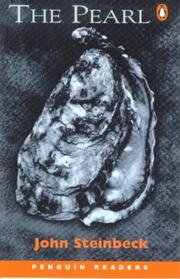
Books Like The Pearl
by John Steinbeck
The Pearl is built like a parable in miniature: a single found object — Kino's pearl — refracts and amplifies the moral, social and familial tensions of a poor, indigenous fishing village. Steinbeck pares language and incident to essentials: clear, economical narration, recurring biblical and folkloric imagery, and a tightening sequence of choices that converts hope into catastrophe. The result feels both intimate (a family's small, intense decisions) and emblematic (poverty, greed and colonial power play out as a moral fable).
Readers come to The Pearl for different, specific reasons. Some respond most strongly to Steinbeck’s spare, affective prose and the way a few precise scenes carry heavy moral weight. Others are drawn to the father–son bond and the novel’s treatment of paternal responsibility under extreme pressure. Still others read it as a social indictment — an allegory about how outside forces and systemic injustice warp human desire. The picks below are chosen to match those particular elements rather than offer generic “similar” books, so you can pick by whether you want more social realism, more parable-like compression, or more tragic intimacy.
Recommended for fans of The Pearl
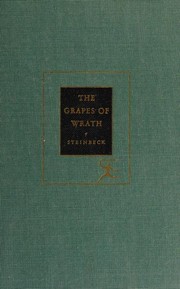
The Grapes of Wrath
John Steinbeck
Epic moral parable about poverty, injustice, and human dignity in simple, powerful prose.
Pick this if you want Steinbeck’s broadest, most sustained moral critique of poverty and injustice in the same authorial voice and with a monumental scope.
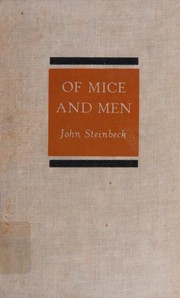
Of Mice and Men
John Steinbeck
Spare, tragic tale of marginal lives and crushing fate, written in plain, affecting language.
Pick this if you admired The Pearl’s brevity and tragic focus; this is Steinbeck’s other tightly composed, heartbreaking study of marginal lives and loyalty.
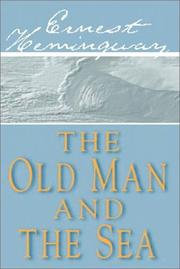
The Old Man and the Sea
Ernest Hemingway
Mythic, pared-down story of struggle, pride, and fate against an indifferent sea.
Pick this if you appreciated the elemental, symbolic contest between man and circumstance. Note: this is not Steinbeck but matches The Pearl’s pared-down, mythic tone.

Heart of Darkness
Joseph Conrad
Compact, allegorical exploration of human darkness, greed, and moral consequence.
Pick this if you’re drawn to The Pearl’s allegorical handling of greed and moral corrosion; this is a compact, intense exploration of similar ethical decay.

Things Fall Apart
Chinua Achebe
Powerful portrait of tradition, misfortune, and cultural collision with tragic inevitability.
Pick this if you wanted a powerful portrait of tradition overwhelmed by external forces and the tragic inevitability that follows; this echoes The Pearl’s fatalistic arc.
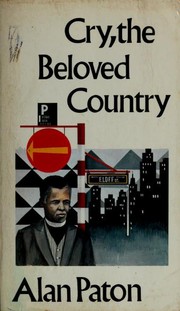
Cry, the Beloved Country
Alan Paton
Lyrical, compassionate novel about social injustice, family loss, and moral reckoning.
Pick this if you responded to Steinbeck’s moral sympathy and want another book that treats social injustice and family loss with lyrical compassion.

The Stranger
Albert Camus
Philosophical, detached exploration of fate, alienation, and moral consequence.
Pick this if it was the existential, fated quality of The Pearl that stayed with you. This offers a more philosophically detached, morally ambiguous perspective.

Bless Me, Ultima
Rudolfo Anaya
Coming-of-age parable blending rural life, folk wisdom, and spiritual conflict.
Pick this if you liked the blend of rural life and spiritual or folk elements around a young protagonist; this is a coming‑of‑age parable with comparable spiritual conflict.
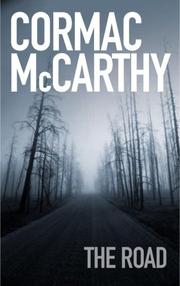
The Road
Cormac McCarthy
Bleak, elemental prose about survival, paternal love, and moral choices in dire times.
Pick this if you were moved most by the father–child bond under dire conditions and want a more elemental, survival-focused meditation on paternal love and moral choice.
At a glance
Matches here prioritize the same formal and thematic dimensions that define The Pearl: parable-like compression, spare and precise prose, the father–child relationship, and a focus on social injustice and moral consequence. Each recommendation shares some subset of those qualities.
| Book | First published | Pages | Closest match on | Match |
|---|---|---|---|---|
The Grapes of Wrath John Steinbeck | 1939 | 544 | Epic social parable | 95% |
Of Mice and Men John Steinbeck | 1937 | 119 | Spare tragic compression | 90% |
The Old Man and the Sea Ernest Hemingway | 1952 | 132 | Mythic struggle at sea | 88% |
Heart of Darkness Joseph Conrad | 1899 | 136 | Compact allegory of darkness | 85% |
Things Fall Apart Chinua Achebe | 1958 | 192 | Cultural collision & tragedy | 84% |
Cry, the Beloved Country Alan Paton | 1940 | 278 | Lyrical moral reckoning | 83% |
The Stranger Albert Camus | 1980 | 178 | Philosophical detachment | 80% |
Bless Me, Ultima Rudolfo Anaya | 1972 | 264 | Folk wisdom & coming-of-age | 78% |
The Road Cormac McCarthy | 2006 | 256 | Bleak paternal survival | 76% |
About The Pearl
The Pearl was published in 1947 as a short novel (often called a novella) by John Steinbeck. Steinbeck based the story loosely on a Mexican folk tale and framed it as a moral parable focusing on colonial-era social forces and personal consequence.
Frequently asked questions
Is The Pearl a good introduction to John Steinbeck?+
Yes. Its brevity and direct style make it an accessible entry to Steinbeck’s themes and voice; for further reading in the same register, try The Grapes of Wrath or Of Mice and Men.
Which of these is most like The Pearl in tone and length?+
Of Mice and Men shares Steinbeck’s spare, tragic tone and is short; The Grapes of Wrath is longer and more expansive but continues many of the same moral concerns.
Should I read The Grapes of Wrath next?+
If you want a broader, epic treatment of poverty and social injustice in Steinbeck’s voice, yes. If you prefer another compact, parable-like experience, Of Mice and Men is closer in scale.
Are any of the listed books actual parables like The Pearl?+
Several function allegorically: Of Mice and Men and The Old Man and the Sea operate as compressed moral tales, while works like Heart of Darkness and Things Fall Apart are listed for their shared themes of cultural collision and moral consequence.
More books by John Steinbeck
See all 15 John Steinbeck guides →Want recommendations based on your own favorites?
BookTwin can match you to books by mood, pacing, themes, and emotional payoff — based on 1 to 5 books you tell it you loved.
Try BookTwin