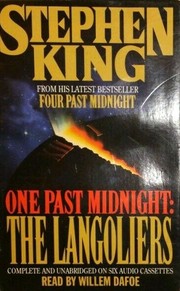
Books Like The Langoliers
by Stephen King
The Langoliers is a compact, time‑bent horror that depends on a simple, lethal conceit: a small group of airplane passengers slips through a rupture in time and ends up in a drained, frozen moment of the recent past where the world’s textures have been partially eaten away. King stages the uncanny with tight physical specifics — empty airports, silent streets, stopped clocks — and then layers psychological strain: who keeps their head when reality itself is fraying? The novel trades long, elaborate backstory for escalating, scene‑by‑scene dread and a single, looming mechanism (the Langoliers themselves) that turns abstraction into menace.
Readers come to this book for different reasons: the claustrophobic ensemble under stress, the speculative mechanics of a broken temporal zone, or King’s knack for letting ordinary details become terrifying. Some picks below match the cramped, character-driven fear; others echo the uncanny, reality‑warping premise. I note where a match is about atmosphere rather than plot mechanics, so you can choose by whether you want more psychological unraveling, a cosmic thought experiment, or a brutal, corporeal threat.
Recommended for fans of The Langoliers
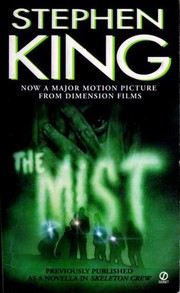
The Mist
Stephen King
Claustrophobic ensemble horror trapped by a supernatural, unseen threat.
Pick this if you wanted the exact King template: a small group trapped by an inexplicable external menace and the social dynamics that amplify fear. This is the closest match on the list.

Annihilation
Jeff VanderMeer
Mysterious zone with reality-bending effects and mounting psychological dread.
Pick this if your main interest was the weird‑zone logic — slow, creeping changes to perception and environment. This book is more ecological and hallucinatory than King’s airport horror, but it nails the unnerving atmosphere.
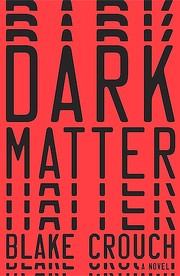
Dark Matter
Blake Crouch
Fast, tense sci‑fi about alternate realities and identity collapse.
Pick this if you liked the speculative, high‑concept side of The Langoliers and want a fast, tense thriller about identity and reality. It’s more science‑fiction thriller than claustrophobic horror, so expect momentum over ensemble dread.
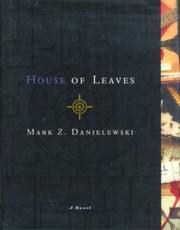
House of Leaves
Mark Z. Danielewski
Disorienting, claustrophobic horror that warps space and perception.
Pick this if you enjoyed the mind‑bending spatial and perceptual unease. This one warps form and layout to unsettle the reader; it’s experimental in technique rather than straightforward plot‑driven horror.

The Cabin at the End of the World
Paul Tremblay
Small-group psychological terror with creeping dread and moral stakes.
Pick this if it was the interpersonal pressure cooker you liked — strangers forced into impossible moral choices. The match is strong on group psychology and creeping dread, though its stakes are interpersonal more than metaphysical.

Phantoms
Dean Koontz
Town‑wide, unseen menace and investigative ensemble uncovering ancient evil.
Pick this if you want an old‑lurked, town‑scale threat unearthed by curious investigators. This shares the ‘unseen monster’ cadence and investigative angle, but it trades time‑anomaly mechanics for an origin rooted in ancient evil.
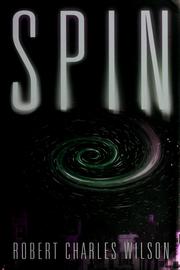
Spin
Robert Charles Wilson
Cosmic time anomaly with quiet, human-focused emotional fallout.
Pick this if you were captivated by the temporal aspects of The Langoliers and want a quieter, more meditative take on how a cosmic anomaly changes people’s lives. It’s more elegiac and less pulpy threat‑driven.
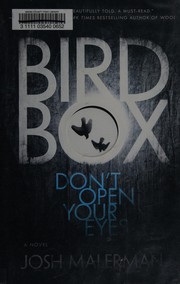
Bird Box
Josh Malerman
Survival horror driven by unseen threat and tense, claustrophobic atmosphere.
Pick this if you responded most to the tense survival against an invisible menace. This keeps the ominous, sight‑forbidding premise and a claustrophobic tone, though it centers survival logistics in a different setting.
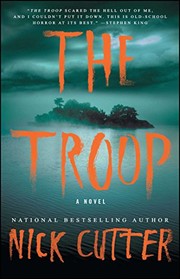
The Troop
Nick Cutter
Intense, gruesome small-group horror that escalates into primal terror.
Pick this if you want escalation into visceral, physical horror. This leans far harder into gruesome, primal terror than The Langoliers’ conceptual dread — expect brutality rather than the slow uncanny of King’s novella.
At a glance
Selections were chosen for three specific dimensions of The Langoliers: claustrophobic ensemble dynamics, reality‑warping speculative premise, and mounting psychological dread. Matches are noted for which of those dimensions they emphasize, honestly flagging looser connections.
| Book | First published | Pages | Closest match on | Match |
|---|---|---|---|---|
The Mist Stephen King | 1925 | 272 | Claustrophobic ensemble horror | 92% |
Annihilation Jeff VanderMeer | 2014 | 208 | Uncanny, reality‑shifting zone | 88% |
Dark Matter Blake Crouch | 2016 | 360 | Alternate‑reality tension | 85% |
House of Leaves Mark Z. Danielewski | 1998 | 736 | Disorienting narrative structure | 83% |
The Cabin at the End of the World Paul Tremblay | 2018 | 137 | Small‑group psychological terror | 80% |
Phantoms Dean Koontz | 1983 | 442 | Ancient/unseen menace | 78% |
Spin Robert Charles Wilson | 2005 | 492 | Cosmic time anomaly | 76% |
Bird Box Josh Malerman | 2001 | 36 | Unseen‑threat survival horror | 75% |
The Troop Nick Cutter | 2014 | 363 | Intense, bodily escalation | 72% |
About The Langoliers
The Langoliers first appeared as a novella in 1990 and was later collected in Stephen King’s 1990 book Four Past Midnight. King blends supernatural horror with a science‑fiction premise: a temporal rupture isolates a handful of characters in a liminal, depopulated world. It was adapted as a television miniseries in 1995.
Frequently asked questions
What other Stephen King stories feel like The Langoliers?+
The Mist is the closest King match here: both are ensemble pieces where ordinary people are trapped and face an unseen, escalating threat. For other King works that play with liminal reality and group dynamics, check King’s novellas in Four Past Midnight and related collections.
Do any books here explain the mechanics of the phenomenon like The Langoliers does?+
Not all of them. Dark Matter and Spin explore high‑concept, speculative mechanisms — alternate realities and cosmic time anomalies respectively — but they frame those mechanics within different tones and scopes than King’s claustrophobic set piece.
Which of these is the best match if I liked the small, trapped group dynamic?+
The Mist and The Cabin at the End of the World are the tightest matches for small‑group dynamics and moral pressure under confinement. The Mist is the closest King analogue on the list.
Are there books here that focus more on existential dread than gore?+
Yes. Annihilation and Spin emphasize uncanny zones and cosmic or psychological dislocation over explicit violence. They capture the slow, unsettling feeling of reality shifting around the protagonists.
More books by Stephen King
See all 81 Stephen King guides →Want recommendations based on your own favorites?
BookTwin can match you to books by mood, pacing, themes, and emotional payoff — based on 1 to 5 books you tell it you loved.
Try BookTwin