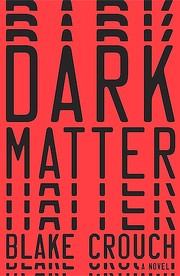
Books Like Dark Matter
by Blake Crouch
Dark Matter is built on a simple, terrifying conceit: what if one choice opens an almost-infinite set of lives, and the self you thought you knew has to fight through those versions to get back to what matters. Blake Crouch writes the book in urgent, tightly focused first person; the prose is lean, the chapters short, and the plot moves by pressure—kidnapping, chase, and a slippery technology that makes alternate realities not just imaginable but violent and immediate. The emotional core—a father's desperate drive to return to his wife and son—keeps the speculative mechanism from becoming cold puzzle-play.
Readers look for different things in a book like Dark Matter. Some want the headlong, high-concept science that rewrites memory and identity; others want the claustrophobic, single-perspective intensity and the moral questions about which life is “real.” Some come for the physical thrills and brisk pacing, some for the ethical weight that anchors the multiverse. The nine matches below call out which of those threads they share with Crouch’s novel, honestly noting when a recommendation is more about mood or theme than about plot mechanics.
Recommended for fans of Dark Matter
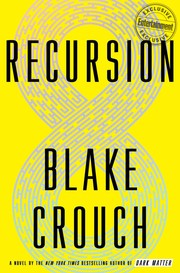
Recursion
Blake Crouch
Same high-speed mind-bending thriller voice about memory, reality, and emotional stakes.
Pick this if you want more of Crouch’s exact mix of intimate first-person urgency and big-idea science—Recursion is the nearest tonal and structural follow-up.
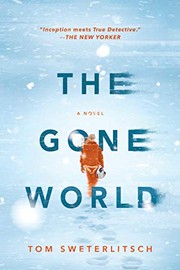
The Gone World
Tom Sweterlitsch
Dark, paranoid time-travel thriller with cosmic stakes and psychological intensity.
Pick this if you liked the darker, paranoid edge and a sense of cosmic stakes; expect denser noir atmosphere and heavier psychological dread than Dark Matter.

The First Fifteen Lives of Harry August
Claire North
Reincarnation loop exploring identity, fate, and moral consequences with urgent pacing.
Pick this if you were drawn to the ethical questions about who you are when lives branch; this one uses reincarnation loops to probe identity and consequence with steady urgency.

Version Control
Dexter Palmer
Subtle alternate-reality tech novel focused on memory, relationships, and unease.
Pick this if you want a quieter, more literary take on how reality shifts affect relationships—Version Control trades Crouch’s breakneck kinetics for sustained relational unease.
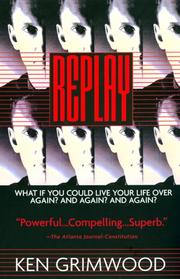
Replay
Ken Grimwood
Compulsive time-loop novel about second chances, identity, and cumulative consequences.
Pick this if you’re after the compulsive, moral-reckoning aspect of reliving time: Replay gives repeated chances and cumulative consequences that interrogate identity over iterations.

The Fold
Peter Clines
Smart, fast scientific thriller about reality-altering technology and mounting suspense.
Pick this if you liked the speculative-technology-as-thriller element: this one offers smart technical ideas and mounting, page-turning suspense in the same pulp-adjacent register.

11/22/63
Stephen King
Time-travel mission with intimate character focus and powerful emotional payoff.
Pick this if you wanted a time-travel story anchored in a personal mission and emotional payoff—expect a longer, more intimate mission structure with deep character work.
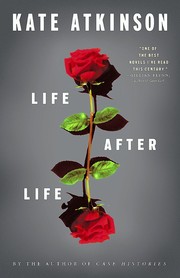
Life After Life
Kate Atkinson
Repeated lives structure examining fate, choices, and quietly devastating emotional truths.
Pick this if you liked structural repetition that examines fate and quiet tragedies; this one is gentler in tone and more contemplative than Crouch’s kinetic thriller.

Never Let Me Go
Kazuo Ishiguro
Melancholic, identity-driven speculative novel with slow-burn revelations and emotional resonance.
Pick this if you appreciated Dark Matter’s emotional residue and want a slower, elegiac exploration of what makes us human. This is a mood and theme match more than a plot match.
At a glance
These selections were chosen for how they echo Dark Matter’s main axes: high-concept speculative premise (multiverse/temporal alteration), tight first-person or immersive perspective, breathless pacing, and an emotional throughline about identity and relationships. Matches vary by which axis they emphasize most.
| Book | First published | Pages | Closest match on | Match |
|---|---|---|---|---|
Recursion Blake Crouch | 2019 | 352 | Same thriller voice | 95% |
The Gone World Tom Sweterlitsch | 2018 | 394 | Dark, cosmic tension | 90% |
The First Fifteen Lives of Harry August Claire North | 2014 | 416 | Identity across lives | 88% |
Version Control Dexter Palmer | 2016 | 495 | Alternate-reality unease | 85% |
Replay Ken Grimwood | 1986 | 335 | Time-loop consequences | 82% |
The Fold Peter Clines | 2015 | 384 | Science-driven suspense | 80% |
11/22/63 Stephen King | 1925 | 849 | Mission-driven time travel | 78% |
Life After Life Kate Atkinson | 2013 | 529 | Journey through time & fate | 75% |
Never Let Me Go Kazuo Ishiguro | 2005 | 288 | Melancholic identity study | 70% |
About Dark Matter
Dark Matter was published in 2016. It centers on Jason Dessen, a college physics professor whose life is upended when he is abducted into an alternate version of his life and must navigate a multiverse-spanning chase to return to his family. The novel popularized Blake Crouch's blend of speculative science and emotional thriller pacing.
Frequently asked questions
Which Blake Crouch book should I read next if I liked Dark Matter?+
Recursion is the closest next step: it uses the same breakneck, intimate thriller voice to explore memory, personal trauma and reality-bending technology while keeping the emotional stakes front and center.
Are there other novels that handle memory and identity like Dark Matter?+
Yes. Version Control examines subtle reality shifts and the unease they create within relationships, while Never Let Me Go (listed here for tone) approaches identity through a quieter, melancholic speculative lens.
Do any of these books match Dark Matter’s pacing and action?+
Recursion and The Fold provide similarly urgent, science-driven momentum. The Gone World and The First Fifteen Lives of Harry August match the psychological intensity and high stakes, though they use different structures (cosmic noir and reincarnation loop, respectively).
Which recommendation is best if I cared most about the emotional family core?+
Replay and 11/22/63 foreground how repeated or altered timelines affect personal obligations and relationships, so they resonate with readers who wanted the human cost at the center of the speculation.
More books by Blake Crouch
Want recommendations based on your own favorites?
BookTwin can match you to books by mood, pacing, themes, and emotional payoff — based on 1 to 5 books you tell it you loved.
Try BookTwin