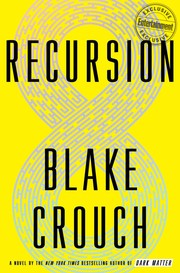
Books Like Recursion
by Blake Crouch
Recursion is built around a single speculative engine: a neuroscience-driven method for preserving and replaying memories that cascades into timeline resets. Blake Crouch uses that conceit to fuse a serialized, twist-forward thriller with intimate character work — a Brooklyn detective haunted by a lost family and a scientist whose breakthrough overturns causality. The novel balances short, punchy chapters and alternating perspectives with escalating set-pieces (chases, containment efforts, escalating ethical breakdowns), so the pleasure comes from both the intellectual puzzle — how memory, identity and history can be rewritten — and the human cost when those rewrites erase the people you love.
Readers come to Recursion for different things: the high-concept time‑travel rules and their paradoxes; the relentless, page-turning pacing and physical stakes; or the emotional core — grief, memory and the questions of who we become when our pasts change. The selections below lean one way or another across those axes: some mirror Crouch’s breakneck tempo and intimate stakes, others emphasize the big-idea consequences or the moral complexity of repeated lives.
Recommended for fans of Recursion
Dark Matter
Blake Crouch
Same author’s fast, intimate sci-fi thriller about alternate lives and identity.
Pick this if you want more of Blake Crouch’s short, urgent chapters and a protagonist whose life is ripped apart by extraordinary technology. This is the closest match on every front.
Life After Life
Kate Atkinson
Explores repeated lives and altered timelines with emotional depth and moral consequence.
Pick this if you wanted a tender, character-rich take on multiple lives where the emotional arcs and moral consequences are foregrounded. It shares Recursion’s concern with memory and identity but relaxes the thriller tempo.

The First Fifteen Lives of Harry August
Claire North
Reincarnation loop leads to a tense, idea-driven plot about changing history.
Pick this if you were most intrigued by the ethical and personal toll of living multiple lives. This novel treats recurrence as an introspective, idea-driven experiment about whether changing history is morally defensible.
The Peripheral
William Gibson
Near- and far-future tech collide in a twisty, high-stakes plot about timelines and causality.
Pick this if you’re drawn to complex, twisty treatment of future tech colliding with present action. It shares Recursion’s interest in temporal causality and high stakes, but does so in a more structural, speculative‑tech register.

11/22/63
Stephen King
Emotional, character-focused time-travel thriller with high stakes and moral weight.
Pick this if you wanted a time-travel story anchored in long-form character development and the moral weight of altering the past. It’s more meditative and slower-burning than Recursion but shares the focus on how choices cost us emotionally.

The Fold
Peter Clines
Fast-paced techno-thriller about risky scientific breakthrough and reality-bending consequences.
Pick this if you liked the breakneck, gadget-driven tension of Recursion and want high-concept science that quickly spins into dangerous, reality-bending outcomes. Lighter on philosophical depth, heavier on fast action.
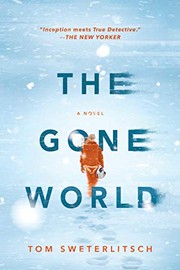
The Gone World
Tom Sweterlitsch
Grim, complex temporal thriller mixing investigation with bleak, cosmic consequences.
Pick this if you liked Recursion’s investigative spine but want a starker, more metaphysical and violent exploration of timelines. It’s a rougher, more noirish take on causality and consequence.

Version Control
Dexter Palmer
Quietly unnerving near-future novel about causality, memory, and relationship strain.
Pick this if the interpersonal fallout — memory, mistrust and a relationship disintegrating under new tech — is what gripped you. This is quieter and less plot-driven than Recursion, so pick it for mood rather than momentum.
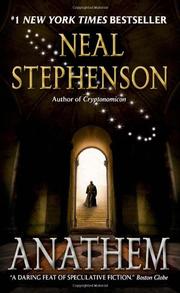
Anathem
Neal Stephenson
Big-idea speculative fiction exploring consciousness, science, and alternate cosmologies.
Pick this if you loved the philosophical questions about consciousness and cosmology in Recursion and want a much denser, essayistic intellectual ride. Warning: it’s far more discursive and slower paced.
At a glance
These matches weigh three dimensions: conceptual overlap (memory, time, alternate timelines), narrative tempo (fast-paced thriller vs. contemplative speculative), and emotional focus (intimate family stakes vs. cosmic consequences). The percentages reflect how many of those align with Recursion.
| Book | First published | Pages | Closest match on | Match |
|---|---|---|---|---|
Dark Matter Blake Crouch | 2016 | 360 | Same authorial sprint | 95% |
Life After Life Kate Atkinson | 2013 | 529 | Repeated lives, humane focus | 86% |
The First Fifteen Lives of Harry August Claire North | 2014 | 416 | Repetition & consequence | 82% |
The Peripheral William Gibson | 2014 | 504 | Timeline collisions & stakes | 81% |
11/22/63 Stephen King | 1925 | 849 | Emotional time-travel | 78% |
The Fold Peter Clines | 2015 | 384 | Techno-thriller pacing | 78% |
The Gone World Tom Sweterlitsch | 2018 | 394 | Bleak temporal mystery | 75% |
Version Control Dexter Palmer | 2016 | 495 | Subtle causality strain | 72% |
Anathem Neal Stephenson | 2008 | 937 | Big speculative ideas | 68% |
About Recursion
Recursion was published in 2019 and became a bestseller noted for marrying hard-concept speculative science with an urgent thriller structure. Blake Crouch wrote it after Dark Matter and established himself for short-chapter momentum and tightly personal stakes within widescreen sci‑fi premises.
Frequently asked questions
What should I read after Recursion if I want more from Blake Crouch?+
Start with Dark Matter — same authorial voice, similar sprint of personal stakes colliding with mind-bending science. Both use short, urgent chapters and center a single protagonist whose identity is challenged by speculative technology.
Which books here focus more on the emotional side of repeated lives rather than the mechanics?+
Life After Life and The First Fifteen Lives of Harry August emphasize the lived experience and moral consequences of repetition and altered lives, trading some of Crouch's breakneck plotting for deeper, reflective exploration.
I liked the techno-thriller aspect — which picks match that best?+
Dark Matter is the nearest tonal and structural match. The Fold and The Peripheral also lean into risky scientific breakthroughs and reality-bending stakes, though each approaches the tech and consequences differently.
Do any of these handle bleak, cosmic-scale consequences like Recursion's worst-case timelines?+
The Gone World is the closest in mood: it combines investigation with grim, far-reaching temporal ramifications. It’s darker and more nihilistic in its cosmic consequences than Recursion.
More books by Blake Crouch
Want recommendations based on your own favorites?
BookTwin can match you to books by mood, pacing, themes, and emotional payoff — based on 1 to 5 books you tell it you loved.
Try BookTwin