
Books Like The Dead Zone
by Stephen King
The Dead Zone hinges on a single speculative premise delivered with domestic gravity: after a coma, Johnny Smith can touch people or objects and see decisive, often horrific moments in their futures. King uses that psychic mechanic to build a novel that's part intimate character study, part moral thriller — Johnny's visions force him into agonized ethical choices about when, or whether, to act. The book alternates slow, psychological scenes (Johnny relearning social rhythms, his fragile relationships, the taste of isolation) with sudden jolts of foreknowledge that propel the plot toward a political, high-stakes crescendo.
If you loved The Dead Zone, it was likely for one of these things: the psychic-vision engine that turns personal contact into burdensome knowledge; the novel’s moral center, asking whether foreknowledge obligates intervention; or the way King folds small-town settings and believable domestic detail into a looming public threat. The recommendations below are organized around those concrete affinities — psychic children and institutional menace, escalating isolation and supernatural dread, and the ethical weight of knowing the future — so you can pick what you want more of.
Recommended for fans of The Dead Zone
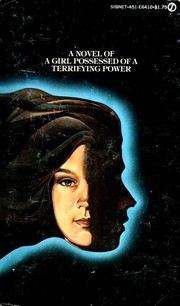
Carrie
Stephen King
Young telekinetic whose powers lead to moral catastrophe and small-town horror.
Pick this if you were most drawn to a young person whose psychic ability precipitates moral collapse in a small town; this is a close tonal and thematic match, focused on anger, outsider status and communal backlash.
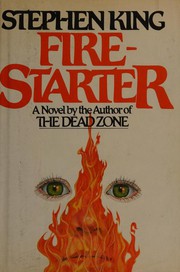
Firestarter
Stephen King
Child with dangerous psychic abilities hunted by a ruthless government agency.
Pick this if the idea of a powerful psychic being pursued by a ruthless agency is what gripped you — this one relocates the psychic to a child and turns the conflict into a government thriller.
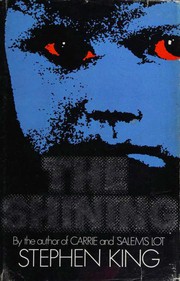
The Shining
Stephen King
Psychic 'shine', escalating isolation, and slow-burning supernatural dread in one location.
Pick this if it was Johnny’s slow slide into solitude and the building supernatural dread you wanted more of; The Shining substitutes an isolated hotel for small-town life but preserves the claustrophobic, escalating horror.
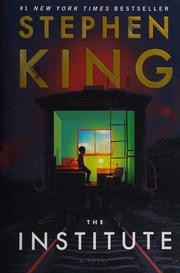
The Institute
Stephen King
Children with psychic powers exploited by a sinister organization, tense and moralistic.
Pick this if you wanted a contemporary, institution-focused take on psychic kids: this novel foregrounds abduction, experimentation and the moral outrage that follows.

The First Fifteen Lives of Harry August
Claire North
Reincarnation-based precognition and heavy moral questions about changing the future.
Pick this if the ethical weight of changing the future was the hook for you — this is a looser, more metaphysical match about recurring lives and responsibility across time.
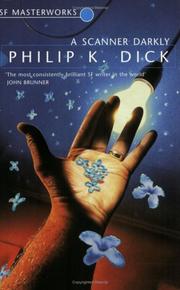
A Scanner Darkly
Philip K. Dick
Paranoid, fragmented perspective and questions of identity and foreknowledge.
Pick this if you appreciated The Dead Zone’s psychological strain but want it filtered through paranoia and identity-splitting; note this is a looser fit—it’s stylistically fractured rather than centered on clairvoyance.
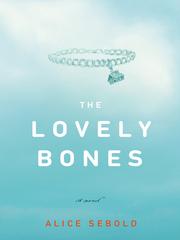
The Lovely Bones
Alice Sebold
Grief, a lingering narrator with afterlife perspective, and small-community consequences.
Pick this if you liked the personal, community-level consequences of trauma in King’s book and don’t mind a change in narrator perspective; this match is about grief and social ripple effects more than precognition.
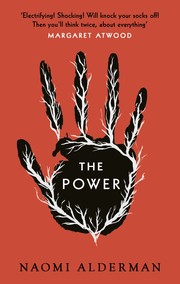
The Power
Naomi Alderman
Sudden emergence of a disruptive power, exploring moral shifts and societal fallout.
Pick this if you were attracted to the moral and societal fallout of newfound abilities; this deals with a society-altering power rather than the intimate, individual moral choice at The Dead Zone’s core.

The Girl with All the Gifts
M. R. Carey
Child at center of a dark, morally complex thriller with speculative science elements.
Pick this if the combination of a child at the story’s center and a dark, morally ambiguous thriller was what appealed to you — this is more science-driven and dystopian, and therefore a modest match.
At a glance
Matches emphasize three axes from The Dead Zone: psychic or precognitive powers, the moral/ethical dilemma of knowing the future, and the fusion of personal drama with thriller pacing. Each pick is scored by how many of those dimensions it shares, plus tone and setting where relevant.
| Book | First published | Pages | Closest match on | Match |
|---|---|---|---|---|
Carrie Stephen King | 1974 | 255 | Psychic power & catastrophe | 92% |
Firestarter Stephen King | 1980 | 428 | Child psychic hunted | 90% |
The Shining Stephen King | 1977 | 506 | Isolation & escalation | 88% |
The Institute Stephen King | 2019 | 624 | Institutional exploitation of children | 85% |
The First Fifteen Lives of Harry August Claire North | 2014 | 416 | Foreknowledge & ethics | 78% |
A Scanner Darkly Philip K. Dick | 1977 | 278 | Paranoia & fragmented mind | 75% |
The Lovely Bones Alice Sebold | 2000 | 349 | Afterlife & community fallout | 72% |
The Power Naomi Alderman | 1998 | 352 | Sudden societal power shift | 70% |
The Girl with All the Gifts M. R. Carey | 2014 | 416 | Child-focused moral thriller | 68% |
About The Dead Zone
The Dead Zone was published in 1979 and is one of Stephen King’s early novels that blends supernatural ability with mainstream thriller stakes. It helped establish King’s recurring themes of ordinary people facing extraordinary forces and has been adapted for screen and serialized formats.
Frequently asked questions
What other Stephen King novels are closest to The Dead Zone?+
Carrie and Firestarter are the closest in terms of psychic powers and how those abilities create moral and social catastrophe; The Shining shares the escalating supernatural dread and isolation. The Institute revisits the exploitation-of-psychic-children theme in a more contemporary, institutional form.
I liked the ethical dilemma in The Dead Zone—who else handles moral consequences of foreknowledge?+
The First Fifteen Lives of Harry August shares the ethical burden of knowing how choices ripple through time, and Naomi Alderman’s The Power examines sudden, society-shifting abilities that force large moral reckoning. Both approach the ethics from speculative angles rather than King’s small-town, personal viewpoint.
Do any books here replicate King’s mix of domestic detail and thriller stakes?+
Yes. Firestarter and Carrie prioritize intimate family and small-community dynamics while escalating into broader, violent confrontations. The Institute also pairs domestic concern (children and families) with an external, sinister organization.
Which picks focus on children with powers similar to The Dead Zone’s psychic elements?+
Firestarter and The Institute center children (or childlike figures) whose psychic abilities make them targets; The Girl with All the Gifts places a child at the moral center of a speculative-security thriller. Those are your closest thematic matches on the list.
Which of these is the loosest match to The Dead Zone?+
A Scanner Darkly and The Lovely Bones are the loosest thematic fits. They share fractured perspective or grief-centered narration, respectively, but neither centers on precognition or the moral imperative of preventing future harm.
More books by Stephen King
See all 81 Stephen King guides →Want recommendations based on your own favorites?
BookTwin can match you to books by mood, pacing, themes, and emotional payoff — based on 1 to 5 books you tell it you loved.
Try BookTwin