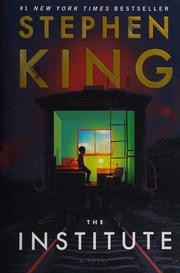
Books Like The Institute
by Stephen King
The Institute is built on two simple, brutal mechanics: children with psychic powers (telekinesis and telepathy) are kidnapped and imprisoned in a clandestine facility, and the story alternates between the children's desperate, claustrophobic perspective and the outside-world investigation that slowly untangles the conspiracy. Stephen King keeps the tempo tight by cutting between interlinked set pieces — interrogation rooms, escape planning, the brutal enforcement of the Institute’s rules — and by grounding the supernatural in bureaucratic, procedural detail. What makes the novel feel distinct is the combination of intimate character work (young protagonists forced into moral choices) with a cold, institutional antagonist that treats human beings as experimental data.
Readers come to The Institute for different reasons: for the page-turner urgency of a rescue thriller; for the ethical horror of exploiting children; for the sympathetic, wounded kids who form alliances under pressure; or for the way King mixes small-town empathy with a sprawling conspiracy. The picks below are organized to reflect which element you most wanted more of — from other King titles that match tone and power set, to books that echo the institutional dread or the moral weight of experimenting on youth.
Recommended for fans of The Institute
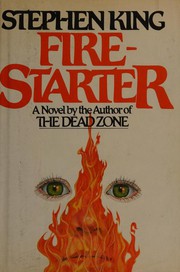
Firestarter
Stephen King
Child with pyrokinetic powers hunted by secret government agency.
Pick this if you want another Stephen King account of a child weaponized by shadowy authorities. Firestarter is the closest tonal and thematic match — same director-agency dynamic and the personal stakes of a child’s uncontrollable ability.

The Girl with All the Gifts
M.R. Carey
Children with terrifying abilities, moral urgency, and desperate escape.
Pick this if you’re drawn to the ethical urgency around kids used as instruments. The Passage shares the long-range consequences of government experimentation and places children at the center of a civilization-scale fallout.

The Passage
Justin Cronin
Government experiment unleashes catastrophic consequences; children and survival arcs central.
Pick this if you want a sweeping, apocalyptic view of experiments gone wrong that begin with children. The Passage shares the sense of institutional hubris and catastrophic fallout while expanding the scope far beyond The Institute’s more contained thriller structure.
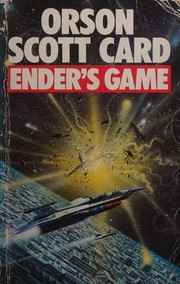
Ender's Game
Orson Scott Card
Child prodigies trained in secret, intense moral and psychological stakes.
Pick this if you liked the institutional training and testing of young minds. Ender’s Game focuses on child prodigies prepared in secret for lethal contests — the moral and psychological toll is comparable, though Ender’s Game skews more explicitly military-science fiction.
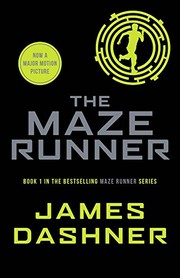
The Maze Runner
James Dashner
Young people trapped in engineered environment, unraveling conspiracies and escape.
Pick this if it was the trapped-young-people-and-escape structure that gripped you. The Maze Runner delivers a manufactured environment and conspiracy you unravel alongside the protagonists; expect more action-oriented set pieces and less supernatural psychic focus.

Never Let Me Go
Kazuo Ishiguro
Institutional upbringing of youths with haunting ethical revelations.
Pick this if you want a contemplative, moral exploration of lives formed by institutions. Never Let Me Go mirrors The Institute’s revelation-of-purpose and the ensuing ethical dread, but it’s quieter and more elegiac rather than plot-driven.
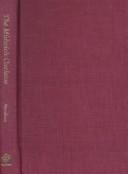
The Midwich Cuckoos
John Wyndham
Unsettling children with collective powers and societal threat.
Pick this if you’re chasing the uncanny of children whose abilities unsettle society. The Midwich Cuckoos features a disturbing phenomenon of collective, otherworldly children — a thematic cousin in how communities react to dangerous youth.
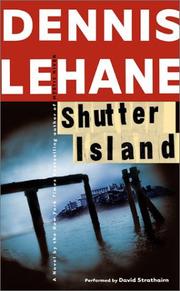
Shutter Island
Dennis Lehane
Creepy institutional setting, psychological twists, menacing atmosphere.
Pick this if the institutional paranoia and psychological twists are what you loved. This pick evokes the menacing, closed-setting dread and investigative tension, though its spine is psychological mystery more than supernatural children.
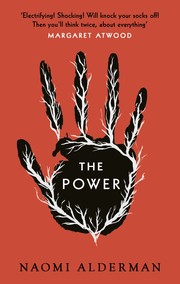
The Power
Naomi Alderman
Sudden emergence of young people’s devastating abilities reshapes power dynamics.
Pick this if you were pulled by the broader social and power implications of young people gaining dangerous abilities. This book imagines systemic shifts when new powers appear, a looser match that focuses on societal consequences rather than a containment facility.
At a glance
Matches were chosen on three axes that define The Institute: (1) children or adolescents as central protagonists with extraordinary abilities or moral burdens; (2) an oppressive institutional setting and the logistics of containment/escape; and (3) tonal kinship to King’s mixture of empathy and menace. Percentages reflect how many of those dimensions each pick shares.
| Book | First published | Pages | Closest match on | Match |
|---|---|---|---|---|
Firestarter Stephen King | 1980 | 428 | Kid with dangerous powers | 88% |
The Girl with All the Gifts M.R. Carey | 2014 | 416 | Children-as-central threat and consequence | 86% |
The Passage Justin Cronin | 2010 | 906 | Large-scale government experiment | 85% |
Ender's Game Orson Scott Card | 1985 | 330 | Youth trained in high-pressure tactics | 82% |
The Maze Runner James Dashner | 2009 | 375 | Engineered environment & escape | 80% |
Never Let Me Go Kazuo Ishiguro | 2005 | 288 | Quiet institutional tragedy | 78% |
The Midwich Cuckoos John Wyndham | 1957 | 220 | Unsettling collective child power | 77% |
Shutter Island Dennis Lehane | 2003 | 385 | Creepy institutional atmosphere | 74% |
The Power Naomi Alderman | 1998 | 352 | Power shifts and societal impact | 70% |
About The Institute
The Institute was published in 2019 and became a New York Times bestseller. It returns to Stephen King’s recurring themes: small-town communities, children in peril, and the corrupting reach of powerful institutions, framed here in a high-concept thriller about psychic children held for study and weaponization.
Frequently asked questions
What other Stephen King novels feel most like The Institute?+
Firestarter is the nearest King analogue on this list: it also centers on a child with dangerous powers pursued by a secretive government agency. For more of King’s institutional and conspiracy-driven work, check his broader catalogue including novels that pit ordinary people against powerful systems.
If I liked the children-at-risk aspect, which pick should I read next?+
Start with Firestarter for a King-to-King match on a hunted child with pyrokinetic abilities, or try The Passage for a larger-scale government experiment that pivots on children and long-term survival consequences.
Are there non-horror books that capture The Institute’s focus on institutional ethics and youth?+
Yes. Never Let Me Go is one of the picks because it centers on institutionalized youths raised for a hidden purpose and the moral horror that emerges as they learn the truth, though it approaches those themes with quiet melancholy rather than genre-driven suspense.
Which book here is the best pure thriller?+
If you want lean, pursuit-driven momentum similar to the rescue and manhunt elements in The Institute, The Maze Runner and The Passage both offer relentless plot movement and engineered settings that force characters into survival mode.
More books by Stephen King
See all 81 Stephen King guides →Want recommendations based on your own favorites?
BookTwin can match you to books by mood, pacing, themes, and emotional payoff — based on 1 to 5 books you tell it you loved.
Try BookTwin