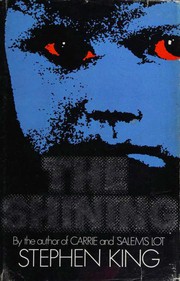
Books Like The Shining
by Stephen King
The Shining is organized around a single, slow claustrophobic mechanism: winter isolation plus a place that actively preys on the occupants’ weaknesses. Stephen King layers a haunted‑hotel setting (the Overlook), family dynamics (a fragile marriage and a recovering alcoholic), and a child’s psychic sight (“the shining”) to turn everyday failures into escalating menace. The novel’s terror comes less from jump scares than from watching Jack Torrance’s steady unraveling, the hotel’s institutional memory, and the way ordinary domestic moments — a snowbound pantry, a closed-off room, a phone line that’s dead — become instruments of dread.
Readers who loved The Shining usually connect to one of several precise features: psychological unraveling under isolation, gothic architecture that feels sentient, a child’s uncanny perception, or emotionally high-stakes horror rooted in addiction and family. The nine books below are organized to match those different entry points. Some are classic haunted-house studies; others trade the Overlook’s supernatural intentionality for slow‑burn cosmic or folk horror, but each echoes a clear facet of King’s novel rather than offering vague similarity.
Recommended for fans of The Shining

The Haunting of Hill House
Shirley Jackson
Classic psychological haunted-house story with creeping atmosphere and unreliable perception.
Pick this if you want the purest match in atmosphere and unreliable perception. Shirley Jackson’s novel is the closest echo of The Shining’s creeping architectural menace and interior destabilization.
Rosemary's Baby
Ira Levin
Paranoia-driven suburban horror focused on isolation and a protagonist losing control.
Pick this if it was the intimate, escalating paranoia and the sense of being psychologically outmaneuvered that gripped you. This trades the Overlook’s overt supernatural gestures for suburban conspiracy and bodily invasion.
Ghost Story
Peter Straub
Layered, literary ghost tale with mounting dread and sinister group secrets.
Pick this if you appreciated The Shining’s accumulation of secrets and long-memory guilt. This is a more literary, multi-voice ghost tale where dread builds through characters’ histories and shared sins.
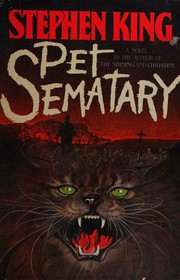
Pet Sematary
Stephen King
King’s exploration of grief and moral horror with intense emotional stakes and dread.
Pick this if you wanted more Stephen King on grief, guilt and moral consequence. Pet Sematary shares The Shining’s emotional stakes and slow-building dread and is one of the closest tonal relatives on this list.
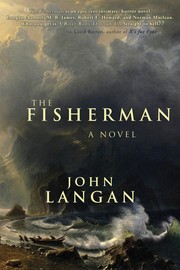
The Fisherman
John Langan
Melancholic, slow-building cosmic horror mixing grief with deeply unsettling myth.
Pick this if you were drawn to King’s use of personal grief to amplify supernatural threat. The Fisherman foregrounds bereavement and turns sorrow into an uncanny, mythic force — slower and more elegiac than The Shining.
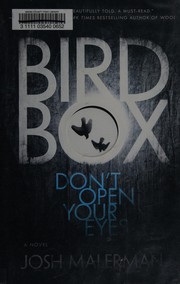
Bird Box
Josh Malerman
Claustrophobic tension and escalating dread under oppressive, unseen threat.
Pick this if the sense of escalating, inescapable dread and restricted agency is what you want more of. This book substitutes a pervasive unseen menace for a haunted building; the fit is thematic rather than structural.
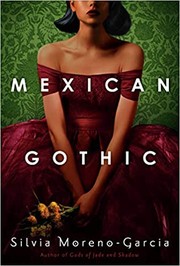
Mexican Gothic
Silvia Moreno-Garcia
Gothic isolation and creeping decay with a tense, oppressive atmosphere.
Pick this if the atmospheric, decaying-house element appealed most. Mexican Gothic delivers a tense, suffocating domestic Gothic; it’s an atmospheric cousin to the Overlook even if its cultural frame and themes differ.
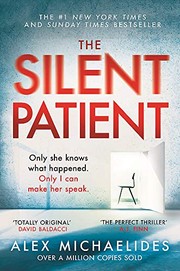
The Silent Patient
Alex Michaelides
Psychological unraveling and unreliable minds with a shocking, emotional twist.
Pick this if you liked the dark humor and the way lighter moments sit beside danger. This is a looser fit: it shares tone and cleverness more than the Overlook’s oppressive architecture or domestic tragedy.

The Ritual
Adam Nevill
Men-isolated-in-the-wild horror that builds dread into visceral confrontation.
Pick this if it was the isolation-and-male-bonding‑gone-wrong element that grabbed you. This one moves the action into wild terrain and visceral encounters — closer on isolation, farther on haunted-house specificity.
At a glance
Matches were chosen on three dimensions: isolated setting that amplifies fear, a protagonist’s psychological breakdown (often fueled by addiction or grief), and a slowly mounting, atmospheric dread rather than body-count shock. Each pick shares some subset of those elements.
| Book | First published | Pages | Closest match on | Match |
|---|---|---|---|---|
The Haunting of Hill House Shirley Jackson | 1959 | 246 | Psychological haunted house | 94% |
Rosemary's Baby Ira Levin | 1985 | 485 | Slow paranoia & control loss | 88% |
Ghost Story Peter Straub | 1979 | 507 | Layered literary dread | 86% |
Pet Sematary Stephen King | 1983 | 422 | King’s grief & moral horror | 85% |
The Fisherman John Langan | 2016 | 304 | Grief as cosmic horror | 82% |
Bird Box Josh Malerman | 2001 | 36 | Claustrophobic, unseen threat | 78% |
Mexican Gothic Silvia Moreno-Garcia | 2020 | 352 | Gothic house & decay | 76% |
The Silent Patient Alex Michaelides | 2018 | 352 | Witty-macabre tension (loose fit) | 72% |
The Ritual Adam Nevill | 2012 | — | Isolated, men-in-wilderness dread | 70% |
About The Shining
Published in 1977, The Shining established Stephen King as a master of domestic horror and was adapted into a 1980 feature film and later a 1997 miniseries. King drew inspiration from a 1974 stay at Colorado’s Stanley Hotel and from themes of alcoholism and family breakdown he returned to throughout his work.
Frequently asked questions
What other books capture The Shining’s haunted‑house atmosphere?+
The Haunting of Hill House is the archetype of psychological haunted‑house fiction and the closest single match on atmosphere and unreliable perception. Ghost Story and Mexican Gothic also emphasize house-based decay and oppressive locales in distinct ways.
Which recommendations focus on family and grief like The Shining?+
Pet Sematary explores grief and moral collapse with the emotional weight and dread that King ties to family trauma. The Fisherman also threads grief into a slow, existential horror.
Are there books that match The Shining’s slow psychological breakdown?+
Yes. Rosemary’s Baby captures paranoia and loss of control in an intimate, suburban setting, while The Silent Patient is a more modern, twist-driven study of psychological unraveling — a looser fit on supernatural elements but similar on unreliable minds.
Which picks offer cosmic or literary ghost elements rather than a single haunted building?+
Ghost Story and The Fisherman trade a single haunted structure for layered myths and collective guilt; they’re more about accumulated secrets and cosmic implications than a single place’s personality.
More books by Stephen King
See all 81 Stephen King guides →Want recommendations based on your own favorites?
BookTwin can match you to books by mood, pacing, themes, and emotional payoff — based on 1 to 5 books you tell it you loved.
Try BookTwin