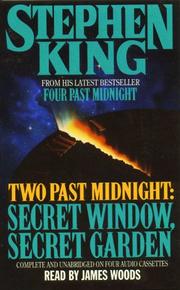
Books Like Secret Window, Secret Garden
by Stephen King
Secret Window, Secret Garden is a compact psychological duel: a mid‑career writer, Mort Rainey, is accused of plagiarism by a stranger named John Shooter, and what begins as a confrontation over words spirals into a crisis of identity and escalating violence. Stephen King stages the novella like a pressure cooker — interior monologue, unreliable self-examination, the slow unspooling of past transgressions — so the horror feels less supernatural than forensic: which parts of Mort are real, and which are invention?
Readers come to this story for different reasons. Some are drawn to the metafictional itch — a novel about authorship, theft and creative guilt — while others want the claustrophobic, page-by-page breakdown of a man’s psyche. Still others seek the terse, propulsive plotting King uses in his novellas: short chapters, focused escalation, and an ending that forces you to reassess everything you’ve been told. The nine titles below each share one or two of those elements — obsession, unreliable perspective, captive dynamics or corrosive isolation — and the notes explain precisely which qualities line up with Secret Window, Secret Garden.
Recommended for fans of Secret Window, Secret Garden
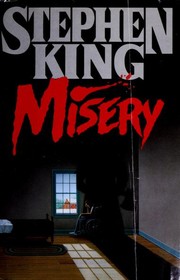
Misery
Stephen King
Writer held captive by an obsessive antagonist; claustrophobic, tense psychological horror.
Pick this if you wanted the claustrophobic, personal-violence dynamic of a writer stalked and psychically dismantled. Misery is the closest tonal and structural match on this list.
The Talented Mr. Ripley
Patricia Highsmith
Identity theft and moral unraveling with an elegant, quietly menacing mood.
Pick this if it was Mort’s moral unmooring and identity slippage that hooked you. This is a looser fit in voice but matches the theme of a protagonist who remakes himself through crimes and lies.

Gone Girl
Gillian Flynn
Domestic suspense and unreliable narrators that twist reader sympathies and reality.
Pick this if you liked the way the novella forces you to question what the narrator remembers and intends. This is a modern domestic-psych suspense that similarly manipulates reader sympathy and truth.
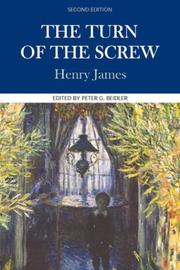
The Turn of the Screw
Henry James
Ambiguous psychological horror built on isolation, paranoia, and creeping dread.
Pick this if you were drawn to the slow-brewing paranoia and the possibility that the horror might be all in the narrator’s head. The Turn of the Screw is a classic precedent for that kind of ambiguity.

The Collector
John Fowles
Obsession and captive dynamics told in chilling, intimate voice.
Pick this if the intimacy of obsession — a single voice describing a controlling relationship — is what appealed to you. This shares the chilling, close-up perspective, though its contours differ from King’s voice.
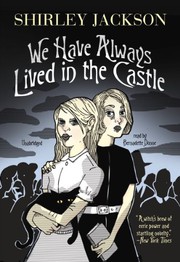
We Have Always Lived in the Castle
Shirley Jackson
Eerie domestic isolation, unreliable perspective, and mounting tension.
Pick this if you appreciated a darkly witty, voice-driven narrator who can be charming and monstrous. This is a mood-and-voice match more than a structural one.
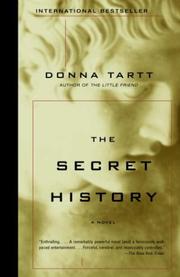
The Secret History
Donna Tartt
Literary atmosphere, moral decline, and claustrophobic group dynamics.
Pick this if you enjoyed psychological unraveling within a tight social circle. This one transfers the claustrophobia from a single-house setting to an insular academic/literary clique.
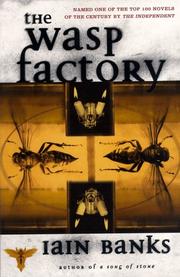
The Wasp Factory
Iain Banks
Disturbing, singular first-person voice and unsettling psychological twists.
Pick this if it was the unsettling, idiosyncratic first-person perspective that unsettled you. Expect a distinctive, sometimes shocking voice rather than a careful realist narrator.
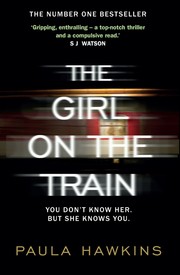
The Girl on the Train
Paula Hawkins
Unreliable memory, domestic suspense, and slow-building paranoia.
Pick this if you were carried by slow-building paranoia and a narrator whose recollections can’t be trusted. This is a looser match in intensity but shares the same creeping doubt about what actually happened.
At a glance
These matches were chosen for the novella’s central traits: an unreliable or collapsing narrator, the spotlight on obsession and authorship, and a compact, escalating structure. Each recommendation shares some of those dimensions; the percent indicates how many key elements overlap.
| Book | First published | Pages | Closest match on | Match |
|---|---|---|---|---|
Misery Stephen King | 1978 | 382 | Captive obsession intensity | 92% |
The Talented Mr. Ripley Patricia Highsmith | 1955 | 288 | Identity and moral decay | 88% |
Gone Girl Gillian Flynn | 2011 | 475 | Twisting unreliable perspectives | 86% |
The Turn of the Screw Henry James | 1898 | 160 | Ambiguous psychological dread | 83% |
The Collector John Fowles | 1963 | 288 | Obsession & captive dynamics | 81% |
We Have Always Lived in the Castle Shirley Jackson | 1962 | 187 | Wicked narrator voice | 79% |
The Secret History Donna Tartt | 1992 | 608 | Elite-group moral rot | 76% |
The Wasp Factory Iain Banks | 1984 | 194 | Singular first-person unease | 74% |
The Girl on the Train Paula Hawkins | 2014 | 360 | Unreliable memory & suspense | 72% |
About Secret Window, Secret Garden
Originally published in 1990 as one of the four novellas in Stephen King’s collection Four Past Midnight, Secret Window, Secret Garden is a tightly plotted psychological thriller about authorship, accusation and identity. King revisits themes he’s explored elsewhere — doubles, creative guilt and domestic unraveling — but in a concentrated, noirish form.
Frequently asked questions
Is Secret Window, Secret Garden a Stephen King horror story or literary psychological fiction?+
It sits between both. King uses psychological realism — memory lapses, self-justification and identity issues — rather than overt supernatural elements, so readers expecting ghosts will find a character-driven psychological breakdown instead.
Where else has King explored similar themes?+
King returns to doubles, creative peril and domestic collapse in several works; misbehavior by obsessed outsiders and the unraveling of ordinary lives recur in both his short fiction and novels.
Should I read other books on this list if I liked the unreliable narrator here?+
Yes. The Talented Mr. Ripley and The Turn of the Screw both emphasize ambiguous or morally blurred viewpoints; if it was mortality of perspective that gripped you, start with those.
Is this novella similar to Misery?+
Yes and no. Misery shares the captive/obsessive antagonist setup and claustrophobic tension — it’s the closest match by structure and psychological immediacy.
More books by Stephen King
See all 81 Stephen King guides →Want recommendations based on your own favorites?
BookTwin can match you to books by mood, pacing, themes, and emotional payoff — based on 1 to 5 books you tell it you loved.
Try BookTwin