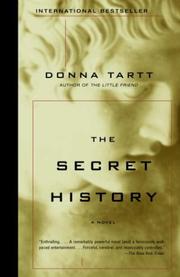
Books Like The Secret History
by Donna Tartt
The Secret History is a claustrophobic moral puzzle built around one key device: an intimate, retrospective confession by a narrator who watched — and in small ways enabled — an elite group's slide into murder and concealment. Donna Tartt shapes the novel through a tight cast of Classics students, a charismatic professor, and a sequence of escalating justifications (intellectual experiments, Dionysian excess) that transform theory into catastrophic action. What grips readers is rarely plot alone but the book's tonal cocktail: erudite, chilly narration; slow-burn psychological unease; and a social microcosis where privilege and aestheticism justify ever-riskier behavior.
If you loved The Secret History, you might have been most drawn to one of its elements: the tight academic enclave; the unreliable, self-excusing narrator; the elegiac prose and moral calculus; or the way a single transgression reshapes everyone involved. The recommendations below are organized to reflect those different hooks — from direct campus-closet crime stories to novels that interrogate charm, deceit and the intellectual seduction that precedes violence. Each pick note tells you exactly which strand it echoes and where it departs.
Recommended for fans of The Secret History

If We Were Villains
M. L. Rio
Ensemble of conservatory students entangled in art, rivalry, and a death cover-up.
Pick this if you wanted an almost identical structural setup: an insular troupe of performing-arts students, escalating rivalries, and a death that everyone circles around. This matches The Secret History's enclosed-group dynamics very closely.
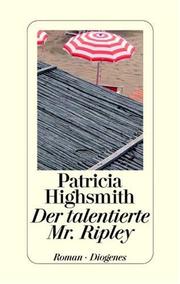
The Talented Mr. Ripley
Patricia Highsmith
Psychological tension, class envy, and moral slipperiness lead to violent consequences.
Pick this if the slow pull of charm, class envy and unethical rationalization is what you loved. Ripley's internal justifications and identity-shifts mirror the uneasy sympathy Tartt elicits for her characters.
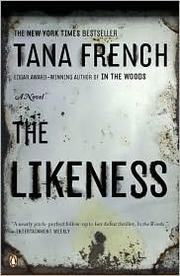
The Likeness
Tana French
Close-knit academic friends, identity, and a death that unravels loyalties.
Pick this if you liked the idea of a close-knit group whose loyalties and identities unspool after a death. The Likeness places that premise inside a contemporary detective framework and adds questions of identity and mimicry.
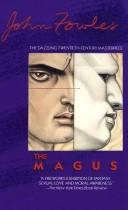
The Magus
John Fowles
Ambiguous moral games, intellectual seduction, and psychological manipulation on an island.
Pick this if you're drawn to intellectual manipulation and ambiguous moral games. The Magus trades a college town for an island and escalates the psychological experiments into a more surreal, theatrical realm.
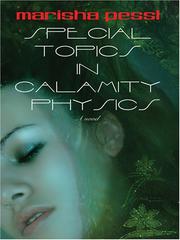
Special Topics in Calamity Physics
Marisha Pessl
Witty, erudite narrator, boarding-school atmosphere, and a mysterious death to decode.
Pick this if you appreciated a witty, learned narrator piecing together a mysterious death. Special Topics echoes Tartt's scholarly tone and mystery structure but leans heavier on pop-culture allusion and ironic wit.
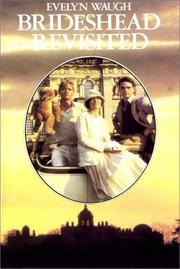
Brideshead Revisited
Evelyn Waugh
Stylish, nostalgic exploration of privilege, obsession, and moral decline among elites.
Pick this if it was Tartt's elegiac look at obsession, faith and decline among the privileged that appealed to you. Brideshead Revisited shares the melancholic scrutiny of an elite circle, though its moral questions are framed through nostalgia and faith rather than a single violent act.

Never Let Me Go
Kazuo Ishiguro
Melancholic, tightly bonded students confronting slow-burn existential and ethical horror.
Pick this if you were moved by the mournful, slow realization of ethical horror within a closely bonded group. Never Let Me Go is more quietly dystopian than Tartt's novel, so this is a tonal and emotional kinship rather than a plot match.

The Marriage Plot
Jeffrey Eugenides
Campus intellectualism, romantic obsession, and moral ambiguity in a literary setting.
Pick this if you liked the book's intellectual, literary social scene and tangled romantic/ethical entanglements. The Marriage Plot shares the academic milieu and the characters' preoccupation with ideas, though it is less murderous in consequence.
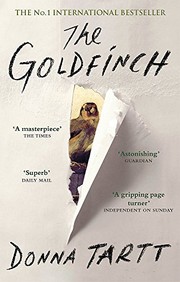
The Goldfinch
Donna Tartt
Richly observed prose, obsession, and how a crime reshapes a life over years.
Pick this if you wanted to follow how a crime reshapes a life over years in rich, deliberate prose. The Goldfinch shares Tartt's attention to detail, obsession and the lingering consequences of a formative violent event — though its scope and protagonist differ from The Secret History.
At a glance
Matches were chosen on three specific dimensions: the secluded-academic or artistic ensemble; a morally ambiguous, often unreliable narrator; and an atmosphere where philosophical or aesthetic ideas precipitate real-world violence or decay. Each recommendation shares some subset of those elements rather than being a surface-level genre match.
| Book | First published | Pages | Closest match on | Match |
|---|---|---|---|---|
If We Were Villains M. L. Rio | 2017 | 368 | Tightly knit academic cast | 92% |
The Talented Mr. Ripley Patricia Highsmith | 1955 | 288 | Psychological moral slipperiness | 90% |
The Likeness Tana French | 2008 | 466 | Undercover academic mystery | 88% |
The Magus John Fowles | 1965 | 656 | Psychological mind-games | 86% |
Special Topics in Calamity Physics Marisha Pessl | 2006 | 514 | Erudite narrator & puzzle | 85% |
Brideshead Revisited Evelyn Waugh | 1945 | 336 | Privilege & nostalgia | 84% |
Never Let Me Go Kazuo Ishiguro | 2005 | 288 | Melancholic, bonded pupils | 80% |
The Marriage Plot Jeffrey Eugenides | 2011 | 463 | Campus intellectual atmosphere | 78% |
The Goldfinch Donna Tartt | 2013 | 862 | Crime's long aftermath | 75% |
About The Secret History
Donna Tartt's The Secret History was published in 1992 and established her reputation for lengthy, psychologically detailed literary fiction. The novel centers on Richard Papen's account of his time among a group of Classics students at a small Vermont college and the fatal consequences of their experiments in Dionysian ritual.
Frequently asked questions
What books capture the same elite-campus vibe and secretive clique?+
If We Were Villains and The Likeness are the closest matches: both revolve around intense, single-discipline student groups whose internal loyalties and rivalries drive the plot toward a violent fracture. Each recreates the trapped, insular social world that defines Tartt's novel.
I loved the unreliable narrator and moral ambiguity — what else should I read?+
The Talented Mr. Ripley shares the psychological slipperiness and class envy that make readers question a protagonist's motives and reliability. The Magus also interrogates manipulation and self-deception, though its setting and methods are more explicitly theatrical and allegorical.
Are there lighter, more modern-campus versions of this story?+
Special Topics in Calamity Physics offers a witty, pop-culture-savvy narrator and a boarding-school/college investigation into a death; it's lighter and more referential in tone, but it reproduces the puzzle-of-a-death structure and a dense social world.
Should I read other books by Donna Tartt next?+
The Goldfinch is Tartt's later novel that returns to themes of obsession, art and the long-term consequences of a crime on a protagonist's life. While its scope is broader and more chronological than The Secret History, readers who appreciate Tartt's prose and thematic preoccupations often find it rewarding.
Want recommendations based on your own favorites?
BookTwin can match you to books by mood, pacing, themes, and emotional payoff — based on 1 to 5 books you tell it you loved.
Try BookTwin