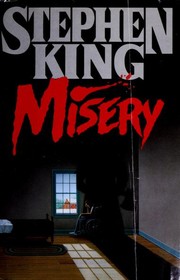
Books Like Misery
by Stephen King
Misery is built from two simple devices that generate relentless pressure: a single, confined setting and a personal domination game. Paul Sheldon is pinned to a bed after a car crash; Annie Wilkes, an idiosyncratic former nurse and obsessive fan, controls his pain medication, his mobility and—most devastatingly—his creative agency. King stages the novel as a prolonged power struggle that alternates surgical, day-to-day details (pain, pills, plot rewrites) with sudden bursts of violence and cruelty. The result is reading that feels physically claustrophobic: chapters are short, sentences often blunt, and the only escape is through cunning, small reversals.
Readers come to Misery for different reasons. Some want the slow-burning psychological duel between captor and captive; others want the visceral bodily realism of injury and addiction; some are primarily drawn to the meta-layer—an author forced to write under someone else's demands. The recommendations that follow are organized around which of those elements a reader loved most: the psychological cat-and-mouse, the claustrophobic endurance tale, the unreliable perspectives, or the pacing that never lets up.
Recommended for fans of Misery
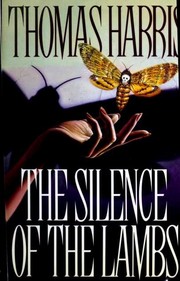
The Silence of the Lambs
Thomas Harris
Taut psychological duel between captive investigator and a chilling antagonist.
Pick this if you loved the verbal, intelligence-driven battle between prisoner and captor. This is the closest external match for that face-to-face psychological sparring.
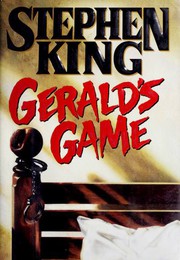
Gerald's Game
Stephen King
Claustrophobic single-character survival and psychological unraveling in isolated circumstances.
Pick this if you want another Stephen King treatment of constrained survival and internal collapse. This is by the same author and shares Misery’s single-location pressure and slow psychological unspooling.

The Girl with the Dragon Tattoo
Stieg Larsson
Dark, obsessive investigation with morally complex characters and mounting tension.
Pick this if you were hooked by Misery’s themes of obsession and moral ambiguity but want a wider, investigative canvas. It’s less claustrophobic and more procedural, so expect scope rather than bedside intensity.
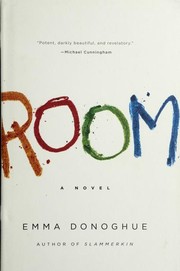
Room
Emma Donoghue
Intense, intimate portrayal of captivity and the psychological toll on its victims.
Pick this if it was the lived experience of being held captive—the sensory detail, dependency and psychological toll—that stayed with you. This one centers on survival from the victim’s point of view and is comparably intimate.

Before I Go to Sleep
S. J. Watson
Unreliable memory and mounting dread create a tight, suspenseful mystery.
Pick this if you mainly want mounting, old‑school suspense and resolute, problem-solving protagonists rather than the captive–captor psychology. This is a looser fit focused on adventure rather than interpersonal domination.

The Collector
John Fowles
Disturbing captivity story told from captor and captive perspectives with creeping menace.
Pick this if you liked Misery’s blend of dark humor and menace in personal relationships. This matches on tone and on an often-irreverent voice confronting violent personal stakes.
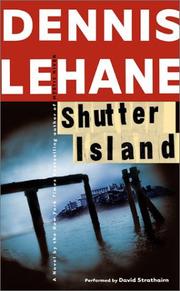
Shutter Island
Dennis Lehane
Atmospheric, mind-bending psychological mystery with claustrophobic institutional setting.
Pick this if you want claustrophobic atmosphere and psychological disorientation in an institutional setting. It’s mood-forward like Misery but trades a private bedroom for an institutional maze and more ambiguity about reality.
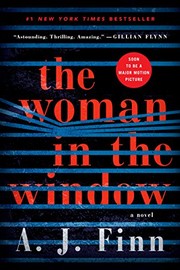
The Woman in the Window
A. J. Finn
Isolation, unreliable perception, and escalating suspicion deliver tense, confined suspense.
Pick this if you were most drawn to the isolation and the narrator’s compromised reliability. This one foregrounds an unreliable, homebound perspective and the slow accretion of suspicion.
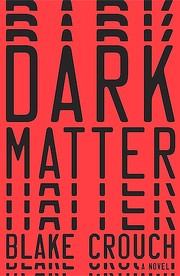
Dark Matter
Blake Crouch
Relentless pacing and psychological stakes as one man fights to reclaim identity and life.
Pick this if it was the unrelenting personal stakes and fast-moving desperation you wanted more of. This book shares Misery’s sense of urgency and identity-threat, though its mechanism is speculative rather than interpersonal captivity.
At a glance
Matches emphasize three dimensions central to Misery: confined/claustrophobic settings, intense psychological domination between characters, and lean, high-pressure pacing. Each pick is noted for which of those elements it shares most strongly with King's novel.
| Book | First published | Pages | Closest match on | Match |
|---|---|---|---|---|
The Silence of the Lambs Thomas Harris | 1988 | 352 | Psychological duel | 92% |
Gerald's Game Stephen King | 1992 | 399 | Claustrophobic survival | 90% |
The Girl with the Dragon Tattoo Stieg Larsson | 2011 | 312 | Dark, obsessive investigation | 84% |
Room Emma Donoghue | 2010 | 370 | Intimate captivity portrait | 83% |
Before I Go to Sleep S. J. Watson | 2011 | 368 | Pulp expedition tension | 80% |
The Collector John Fowles | 1963 | 288 | Wrenching domestic horror | 79% |
Shutter Island Dennis Lehane | 2003 | 385 | Atmospheric mind-bender | 78% |
The Woman in the Window A. J. Finn | 2017 | 456 | Isolation & unreliable perception | 76% |
Dark Matter Blake Crouch | 2016 | 360 | Relentless personal stakes | 74% |
About Misery
Misery was published in 1987 and won the Bram Stoker Award for Best Novel. Stephen King drew on his own experiences with addiction and on the folklore of celebrity obsession; the novel was adapted into an acclaimed 1990 film starring James Caan and Kathy Bates.
Frequently asked questions
What should I read after Misery?+
If you want another Stephen King claustrophobic survival story, Gerald's Game revisits single-location pressure and psychological unraveling. For a different-author take on a captive-versus-captor dynamic, The Silence of the Lambs focuses on a chilling, conversational duel.
Which of these is written by Stephen King?+
Gerald's Game is by Stephen King. The rest on the list are by other authors and are included because they echo Misery's core dynamics in different ways.
Are any of these true psychological thrillers rather than horror?+
Yes. The Silence of the Lambs and The Girl with the Dragon Tattoo prioritize forensic and psychological suspense over supernatural horror; both match Misery on psychological intensity rather than genre trappings.
Is Misery similar to stories about unreliable memory?+
If the uncertain perception angle is what you liked, Before I Go to Sleep and The Woman in the Window both foreground unreliable memory and perception as engines of dread, though their setups are different from Misery's captivity scenario.
More books by Stephen King
See all 81 Stephen King guides →Want recommendations based on your own favorites?
BookTwin can match you to books by mood, pacing, themes, and emotional payoff — based on 1 to 5 books you tell it you loved.
Try BookTwin