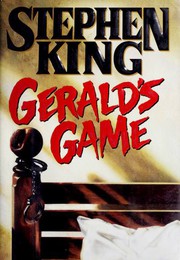
Books Like Gerald's Game
by Stephen King
Gerald’s Game is built around one brutal, clarifying setup: a moment of erotic role-play gone wrong leaves Jessie Bell locked, alone and handcuffed to a bed in a remote cabin after her husband dies of a heart attack. Stephen King turns that single physical constraint into a multi-layered ordeal — immediate survival logistics (thirst, pain, escape planning), a claustrophobic present-tense pressure, and long-buried traumas that surface as hallucinations and interior dialogue. The novel alternates between concrete problem-solving (how to unfasten the cuffs, how to call for help) and a creeping, interior unspooling: unreliable memory, flashbacks to a damaged childhood, and a hallucinatory “other” that may be real or a coping invention.
If you loved Gerald’s Game, you might have responded to different things: the literal, skin-of-your-teeth survival against physical constraints; the exploration of trauma and repressed memory; or the ambiguous psychological horror where the mind is both victim and battlefield. The selections below are organized by which of those elements they most closely echo, with honest notes when a book is a mood match rather than a structural twin.
Recommended for fans of Gerald's Game
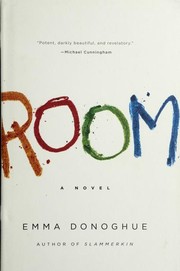
Room
Emma Donoghue
Claustrophobic survival and trauma seen through intense, close-point-of-view narration.
Pick this if it was the locked-room intensity and survival-through-the-senses that gripped you. Room keeps nearly all action in a confined space and filters trauma and resilience through a taxing, close point-of-view.
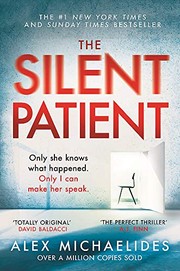
The Silent Patient
Alex Michaelides
Psychological unraveling, unreliable perspectives, and a mounting, twisty payoff.
Pick this if you want a twisty psychological structure where narration and sanity are suspect. The Silent Patient shares Gerald’s focus on fractured perspective and a payoff built from interior revelations.

Sharp Objects
Gillian Flynn
Dark family secrets, psychological damage, and an unsettling, intimate tone.
Pick this if you were drawn to the novel’s excavation of childhood damage and its intimate, unsettling tone. Sharp Objects shares that familial-ruin focus and a claustrophobic psychological portrait.
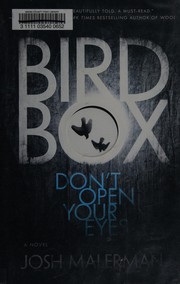
Bird Box
Josh Malerman
Tense, oppressive atmosphere with survival under constant, unseen threat.
Pick this if the sense of constant, often-imagined menace is what you loved. Bird Box substitutes external, invisible danger for physical restraint, so it’s an atmosphere-and-suspense match more than a plot twin.
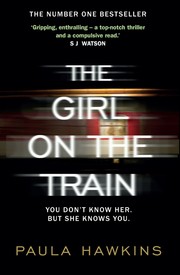
The Girl on the Train
Paula Hawkins
Domestic trauma and unreliable memory drive a tense psychological mystery.
Pick this if it was the way domestic life and unreliable memory drive a psychological mystery. The Girl on the Train focuses on amnesia and memory distortion as engines of suspense, echoing Jessie’s fractured recall.

The Collector
John Fowles
Obsessive captor-captive dynamic with chilling psychological captivity themes.
Pick this if you were most interested in the dynamics between captor and captive and the psychology of obsession. The Collector examines captivity as a psychological theater; it maps onto Gerald’s Game’s captivity themes even though its mechanics and stakes differ.

The Woman in Cabin 10
Ruth Ware
Tightly wound, suspenseful, with a trapped-feeling setting and doubtful perceptions.
Pick this if you liked the tense, trapped-feeling and the protagonist doubting her senses. This is a close tonal fit, though the cabin-in-isolation centrality of Gerald’s Game is more extreme here than in this book.

The Haunting of Hill House
Shirley Jackson
Slow-building psychological dread and ambiguous, interior horror.
Pick this if you want slow-building, ambiguous psychological horror where the house (or mind) amplifies dread. This is a mood match: horror that lingers on uncertainty more than on explicit survival mechanics.
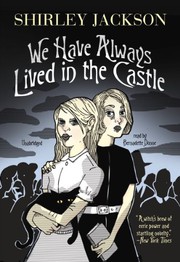
We Have Always Lived in the Castle
Shirley Jackson
Isolated, unreliable narrator exploring trauma, family secrets, and claustrophobia.
Pick this if the isolation-plus-unreliability combo is what appealed. We Have Always Lived in the Castle offers an isolated, untrustworthy narrator exploring trauma and social claustrophobia — looser on the physical-capture aspect, tighter on social sequestration.
At a glance
These matches emphasize three dimensions that define Gerald’s Game: physical confinement and survival, unreliable/fragmented interior perspective, and trauma-driven psychological revelation. Each recommendation is scored by how many of those dimensions it shares, and the pick notes explain whether the fit is plot-structural or tonal.
| Book | First published | Pages | Closest match on | Match |
|---|---|---|---|---|
Room Emma Donoghue | 2010 | 370 | Claustrophobic POV | 92% |
The Silent Patient Alex Michaelides | 2018 | 352 | Unreliable psychiatric reveal | 88% |
Sharp Objects Gillian Flynn | 2006 | 312 | Dark family secrets | 86% |
Bird Box Josh Malerman | 2001 | 36 | Oppressive unseen threat | 85% |
The Girl on the Train Paula Hawkins | 2014 | 360 | Domestic memory mystery | 84% |
The Collector John Fowles | 1963 | 288 | Captor–captive psychology | 83% |
The Woman in Cabin 10 Ruth Ware | 2016 | 384 | Doubt & trapped setting | 82% |
The Haunting of Hill House Shirley Jackson | 1959 | 246 | Interior, ambiguous dread | 80% |
We Have Always Lived in the Castle Shirley Jackson | 1962 | 187 | Isolated unreliable narrator | 79% |
About Gerald's Game
Gerald’s Game was first published in 1992 and is one of Stephen King’s standalone novels rather than part of his shared multiverse. King has said the story began as a short concept he developed into a full novel; it was adapted into a feature film released in 2017.
Frequently asked questions
Is Gerald's Game primarily horror or psychological thriller?+
Gerald’s Game blends both: the immediate, body-focused peril reads like a survival horror, while much of the book depends on psychological unraveling and trauma memory. The books below are chosen for how they reflect one or the other of those halves.
Which of these books is most like Gerald's Game in terms of claustrophobia?+
Room is the closest claustrophobic match on this list; its narrative keeps the reader inside a single captive environment and filters everything through the survivor's intense, close point of view.
Are any of these told with an unreliable narrator like in Gerald's Game?+
Yes. The Silent Patient and The Girl on the Train both foreground unreliable or fragmented perspectives that skew what the reader can trust, similar to Jessie’s intermittent access to her own memories.
Which recommendation focuses most on trauma and family secrets?+
Sharp Objects centers on the long-term effects of family trauma and self-destructive coping in an intimate, unsettling way, which mirrors Gerald’s Game’s excavation of Jessie’s past.
Do any of these feature a captor-captive relationship comparable to Gerald's Game?+
The Collector engages directly with an obsessive captor–captive dynamic; its psychological captivity themes are the closest match on that particular axis.
More books by Stephen King
See all 81 Stephen King guides →Want recommendations based on your own favorites?
BookTwin can match you to books by mood, pacing, themes, and emotional payoff — based on 1 to 5 books you tell it you loved.
Try BookTwin