
Books Like Rage
by Stephen King
Rage is a compact, unnerving study of teenage violence told from inside the mind of the perpetrator. Framed as a first-person confession, the novel traps the reader in a claustrophobic classroom siege where power dynamics, adolescent grievance and brittle rationalizations are exposed in real time. Its mechanics are spare: a single setting that becomes a pressure chamber, an unreliable narrator whose interior logic justifies the unthinkable, and a tight temporal focus that forces every moral question into the immediate present.
Readers come to this book for different reasons. Some are drawn to the forensic portrait of a young man unspooling into violence; others are interested in the ethical fog around culpability, the way ordinary grievances escalate into catastrophe. If you responded to the book’s tense, inward voice and the way it dramatizes group dynamics under duress, or if you wanted a slim, provocative novel that refuses neat answers, the picks below are chosen to match those specific impulses rather than offering broad-label similarity.
Recommended for fans of Rage

We Need to Talk About Kevin
Lionel Shriver
First-person exploration of a parent's perspective on a child's calculated school massacre.
Pick this if you were most affected by the novel’s exploration of a parent wrestling with a child who commits violence. This book traces that inward, uncomfortable scrutiny in a sustained, confessional voice.
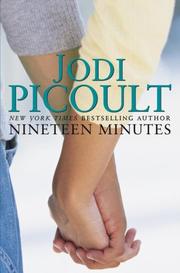
Nineteen Minutes
Jodi Picoult
Direct, empathetic novel about a school shooting's causes and aftermath.
Pick this if you wanted a broader, empathetic look at causes and consequences beyond the shooter’s head. This novel spends more time on legal, social and familial fallout than Rage does.
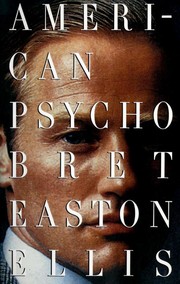
American Psycho
Bret Easton Ellis
Cold, violent, unreliable narrator and unsettling descent into sociopathic violence.
Pick this if it was Rage’s chillingly rational, self-justifying narrator that gripped you. The descent into sociopathy and the flat, clinical tone feel similar, though the setting and style are more overtly satirical and transgressive.
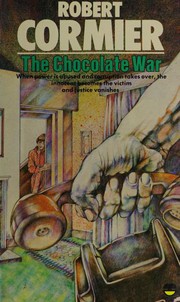
The Chocolate War
Robert Cormier
Brutal portrait of school bullying, power, and a teenager pushed to the edge.
Pick this if it was the depiction of bullying and a teenager pushed to extremes that mattered to you. The setting is a school and the portrait of pressure and retaliation is brutal; younger protagonists and a different moral framing make this a partial match.
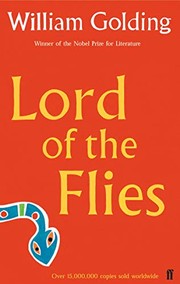
Lord of the Flies
William Golding
Young people devolve into violence; allegorical study of group cruelty and breakdown.
Pick this if you were drawn to group dynamics and the way peer systems can devolve into cruelty. This is more allegorical and communal than Rage’s single-narrator confinement, so the fit is thematic rather than voice-based.
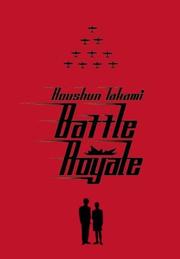
Battle Royale
Koushun Takami
Extremely violent teenage survival scenario that examines societal breakdown and youthful brutality.
Pick this if you wanted an examination of systemic breakdown and extreme violence among young people. This is a hyper‑violent survival scenario and therefore a more literal, externalized take on youthful brutality than Rage’s inward focus.
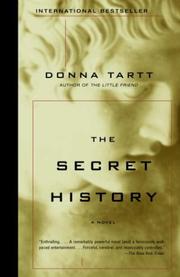
The Secret History
Donna Tartt
Intellectual group of students spirals into murder and moral corruption.
Pick this if you were interested in how a tight social circle can rationalize wrongdoing. This novel tracks moral corrosion within an elite student group — a looser fit if what you loved was Rage’s single mind rather than group narration.
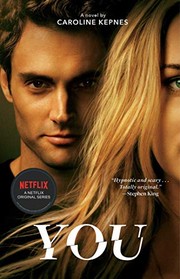
You
Caroline Kepnes
First-person, chillingly rational narrator whose obsession turns violent and invasive.
Pick this if it was the unnervingly intimate, self-justifying narrator that hooked you. This one keeps the perspective tightly internal and chilling, but the narrator’s target and mode of obsession differ from Rage’s school-centered violence.
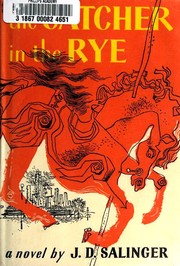
The Catcher in the Rye
J. D. Salinger
Iconic portrait of teenage alienation and volatile, unreliable perspective.
Pick this if you connected with the portrait of volatile teenage alienation. This classic captures adolescent disaffection and an unreliable voice, but it’s significantly less graphic and less directly concerned with intentional mass violence — so the fit is one of tone and perspective rather than plot.
At a glance
These recommendations focus on the dimensions that define Rage: an interior, often unreliable narrator; a moral/psychological examination of youth violence; and narratives that force readers to sit with complicity and causation. Some picks match on voice and viewpoint, others on thematic overlap or group-violence dynamics; where the fit is looser that’s stated plainly.
| Book | First published | Pages | Closest match on | Match |
|---|---|---|---|---|
We Need to Talk About Kevin Lionel Shriver | 2003 | 468 | Parental culpability focus | 92% |
Nineteen Minutes Jodi Picoult | 2006 | 579 | Community aftermath examination | 90% |
American Psycho Bret Easton Ellis | 1991 | 477 | Cold first‑person voice | 85% |
The Chocolate War Robert Cormier | 1974 | 253 | School bullying escalation | 80% |
Lord of the Flies William Golding | 1954 | 243 | Youth violence as allegory | 78% |
Battle Royale Koushun Takami | 1999 | 624 | Extremes of youth brutality | 76% |
The Secret History Donna Tartt | 1992 | 608 | Intellectual group corruption | 72% |
You Caroline Kepnes | 2014 | 447 | First‑person obsessive narrator | 70% |
The Catcher in the Rye J. D. Salinger | 1945 | 240 | Teenage alienation & unrest | 66% |
About Rage
Rage was published under Stephen King’s Richard Bachman pseudonym and is a short, intense novel set during a school hostage situation and told from the shooter's point of view. King has acknowledged its influence on later conversations about gun violence and chose to let the book go out of print after real-life school shootings linked to readers of the novel.
Frequently asked questions
Why is Rage controversial and hard to find?+
Rage is controversial because it is written from the shooter’s perspective and depicts a school hostage situation without offering easy moral distance. Stephen King chose to let it fall out of print after real-world incidents linked readers to the book.
If I liked Rage’s psychological portrait, what should I read next?+
If you want another intimate parent/child psychological study, We Need to Talk About Kevin matches the forensic exploration of culpability. For a first-person, chillingly rational perpetrator voice, American Psycho or You cover similar ground in very different settings.
Are there novels here that examine the aftermath rather than the act itself?+
Yes. Nineteen Minutes centers on the causes and consequences of a school shooting with a broader community perspective, whereas several other picks — like The Secret History or The Chocolate War — examine the social forces that can push young people toward violence.
Which of these books are the closest in narrative voice to Rage?+
American Psycho and You both use an intimate, often self-justifying first-person narrator whose worldview becomes increasingly dangerous, making them the closest voice-wise to Rage among these picks.
More books by Stephen King
See all 81 Stephen King guides →Want recommendations based on your own favorites?
BookTwin can match you to books by mood, pacing, themes, and emotional payoff — based on 1 to 5 books you tell it you loved.
Try BookTwin