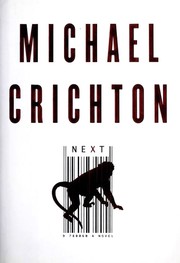
Books Like Next
by Michael Crichton
Next is built from short, punchy set pieces that repeatedly force ordinary lives to collide with disruptive biotechnology. Michael Crichton strings together interlocking vignettes — corporate labs, university research, courtroom scenes and personal crises — so the book reads less like a single-plot thriller and more like a rapid-fire dossier of ethical dilemmas: gene patents, chimeras, accidental cross-species breeding and the legal fallout that follows. The tone shifts between darkly comic satire and forensic explanation, and the pacing is brisk because each chapter aims to land a problem and move on.
Readers come to Next for different reasons. Some want the speculative science set-piece — plausibly extrapolated molecular details and how a single experiment ripples outward. Others appreciate Crichton’s sharp cultural critique of corporate research, media spectacle and legal loopholes. And a third group simply likes the short-chapter, multiple-perspective construction that keeps surprises coming. The picks below are organized by which of those elements they most closely echo: pure biotech suspense, methodical outbreak procedure, moral quietus, or investigative exposes about corporate science.
Recommended for fans of Next

Prey
Michael Crichton
Nanotech run amok, fast pacing, ethical questions about engineered life.
Pick this if you want the closest possible continuation of Crichton’s method: fast chapters, granular tech descriptions and a darkly comic take on runaway engineered life.
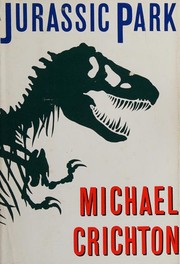
Jurassic Park
Michael Crichton
High-stakes genetic engineering disaster with brisk thriller momentum.
Pick this if you enjoyed the speculative genetics plus blockbuster-level consequences; this shares Crichton’s detailed science and high-stakes escalation in a single, sustained plot.

The Andromeda Strain
Michael Crichton
Clinical, suspenseful outbreak thriller centered on scientific response and risk.
Pick this if it was the procedural, forensic-science aspect that gripped you. This one is more clinical and containment-focused, trading Next’s vignette style for a tighter scientific emergency.

Oryx and Crake
Margaret Atwood
Dystopian biotech experiment explores ethics, corporate science, and human consequences.
Pick this if you want a more literary, speculative take on the social and ethical fallout of genetic engineering; note this is a more philosophical and less technothriller approach than Crichton’s.

Never Let Me Go
Kazuo Ishiguro
Quiet, emotionally wrenching exploration of cloning and moral fallout.
Pick this if what stayed with you was the human cost of biotech rather than the science set-pieces. This is an emotionally restrained, character-driven meditation rather than a science-action thriller.
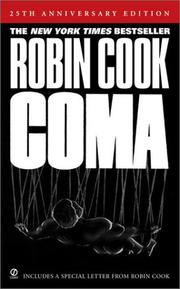
Coma
Robin Cook
Medical thriller about hospital malfeasance and organ harvesting conspiracies.
Pick this if you liked the investigative angle on medical ethics and institutional malfeasance. It shares the expose-style momentum though it focuses on hospitals rather than lab research per se.
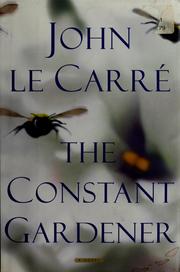
The Constant Gardener
John le Carré
Pharmaceutical corporate wrongdoing, investigative pace, moral outrage.
Pick this if you were most interested in corporate accountability and investigative pace. This channels moral outrage about the drug industry and reads like an inquiry into bad actors.

Blindness
José Saramago
Brutal, allegorical epidemic novel probing societal collapse and human behavior.
Pick this if you appreciated large-scale social consequences of biological risk. This is more allegorical and communal in scope than Next’s episodic legal-and-tech snapshots.
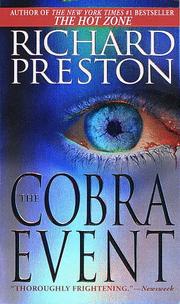
The Cobra Event
Richard Preston
Bioterror thriller with realistic scientific detail and urgent pacing.
Pick this if you want taut, realistic biothreat suspense with urgent pacing. It shares the attention to scientific plausibility and a sense of escalating public danger, though it centers on terrorism-style containment rather than everyday corporate science.
At a glance
Matches are based on three main dimensions present in Next: the immediacy of biotech/speculative science, a brisk, episodic or procedural structure, and ethical or corporate critiques of scientific practice. Percentages reflect how many of those dimensions a book shares.
| Book | First published | Pages | Closest match on | Match |
|---|---|---|---|---|
Prey Michael Crichton | 2002 | 464 | Nanotech & corporate satire | 95% |
Jurassic Park Michael Crichton | 1990 | 455 | Genetic engineering catastrophe | 92% |
The Andromeda Strain Michael Crichton | 1969 | 295 | Clinical outbreak procedure | 90% |
Oryx and Crake Margaret Atwood | 2002 | 389 | Dystopian biotech ethics | 86% |
Never Let Me Go Kazuo Ishiguro | 2005 | 288 | Quiet cloning tragedy | 85% |
Coma Robin Cook | 1977 | 326 | Medical-institution conspiracies | 84% |
The Constant Gardener John le Carré | 2000 | 557 | Pharma wrongdoing & investigation | 80% |
Blindness José Saramago | 1999 | — | Societal collapse from contagion | 78% |
The Cobra Event Richard Preston | 1997 | 440 | Biothreat urgency | 77% |
About Next
Next was published in 2006 and is by Michael Crichton. The novel interleaves many short chapters and shifting viewpoints to examine contemporary genetic science, bioethics and the legal/ commercial frameworks around life sciences. It drew attention for blending forensic technical detail with satire and courtroom drama.
Frequently asked questions
Which book on this list is most like Next in tone and structure?+
Prey is the closest match: it shares Crichton’s rapid-chapter pacing, a mix of technical exposition and thriller set pieces, and a satirical edge toward corporate tech culture.
If I liked the scientific detail in Next, what should I read next?+
Jurassic Park offers the same appetite for molecular and genetic explanation applied to a catastrophic experiment; it foregrounds the science as a driver of suspense in a longer single-plot format.
Are any of these nonfiction accounts of biotech?+
No — all nine picks here are fiction. Several, like Prey, Jurassic Park and The Andromeda Strain, aim for realistic scientific texture, but they remain speculative thrillers.
Which picks explore bioethics more quietly rather than as disaster set pieces?+
Never Let Me Go and Oryx and Crake treat biotechnology through quieter, more morally focused lenses; they emphasize human consequences over action-driven containment scenes.
Do any of these read like investigative thrillers about corporate wrongdoing?+
Yes. The Constant Gardener and Coma focus on pharmaceutical and medical institutions and their malpractices; they foreground investigative pacing and moral outrage rather than lab-centric disaster mechanics.
More books by Michael Crichton
See all 14 Michael Crichton guides →Want recommendations based on your own favorites?
BookTwin can match you to books by mood, pacing, themes, and emotional payoff — based on 1 to 5 books you tell it you loved.
Try BookTwin