
Books Like Prey
by Michael Crichton
Prey is a machine-in-miniature thriller: lab notebooks, code excerpts and emergency meetings map the rapid escalation from contained experiment to ecological crisis. Michael Crichton stages the book as a scientific autopsy of a runaway swarm — self-replicating nanobots and an emergent predator intelligence — and balances clear, procedural explanation with sudden bursts of bodily and environmental menace. The novel's pleasures come from watching methodical problem-solving collide with unpredictable emergence: engineers and managers apply familiar diagnostics to a system that no longer follows their assumptions.
Readers who enjoyed Prey usually care about one or more of these features: technical proceduralism that actually teaches you how the tech works; the moral and corporate hubris behind cutting-edge R&D; or eerie, biological-style dread produced by small things acting like a larger predator. Some picks here echo Crichton's clinical, explanatory voice; others match the philosophical stakes about intelligence and control; and a few are looser tone matches (psychological twist or ecological uncanny) that still reward readers who want a different angle on the same anxieties.
Recommended for fans of Prey
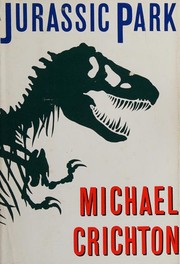
Jurassic Park
Michael Crichton
Classic Crichton: cutting-edge science run amok, suspense, and moral consequences of hubris.
Pick this if you want Crichton’s classic blueprint: methodical scientists confronting catastrophic consequences of their experiments. Jurassic Park shares Prey’s mix of clear technical explanation and escalating, physical danger.

The Andromeda Strain
Michael Crichton
Clinical scientific investigation of a lethal agent with tense, procedural pacing.
Pick this if it was the cool, laboratory-style dissection of a threat that gripped you. The Andromeda Strain is even more clinical in pace and layout — a short, procedural epidemic inquiry rather than an extended corporate collapse.
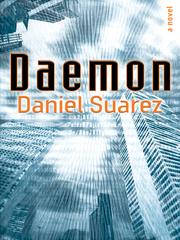
Daemon
Daniel Suarez
High-octane techno-thriller about autonomous code reshaping society, with procedural detail and urgency.
Pick this if you want autonomous code and systemic takeover rather than biological swarm. Daemon channels that procedural, techno-jolt energy and shows how software governance can become a societal emergency.
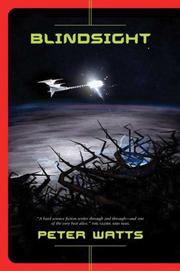
Blindsight
Peter Watts
Hard-SF first-contact novel with chilling intellect, cognitive science focus, and existential stakes.
Pick this if you want a tougher, more philosophical take on emergent intelligence. Blindsight matches Prey’s interest in cognition and the uncanny consequences of minds we don’t understand, though it leans harder into dense hard-SF.

The Hot Zone
Richard Preston
Nonfiction thriller about deadly viruses; shares biological dread and breathless pacing.
Pick this if the biological horror and breathless, outbreak-account tone is what appealed to you. The Hot Zone delivers nonfiction reportage-level dread about pathogens; it replaces nanotech fear with real-world virology.
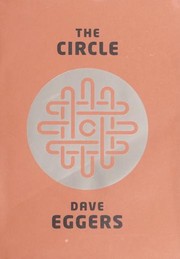
The Circle
Dave Eggers
Contemporary tech-thriller examining surveillance, corporate power, and ethical costs of innovation.
Pick this if you’re drawn to the corporate-surveillance and ethical-cost side of modern tech. The Circle examines the social and moral fallout of surveillance-era innovation; it’s a topical, sociopolitical foil to Prey’s laboratory focus.

Annihilation
Jeff VanderMeer
Weird-science atmospheric thriller combining ecological mystery, creeping dread, and unanswered questions.
Pick this if you wanted an eerie, atmospheric investigation into an anomalous area where normal rules fail. This is a looser fit: it shares Prey’s creeping dread and unanswered strangeness but trades technical exposition for mood and ambiguity.

The Silent Patient
Alex Michaelides
Tightly plotted psychological thriller with clinical observation and a twisty reveal.
Pick this if you liked the pulp, specimen-driven dread and steady problem-solving. The Lost World shares the field-expedition energy and the Victorian sense of wonder turned dangerous, though it’s a different era and set of stakes.

The Goldfinch
Donna Tartt
Not tech-focused but similarly immersive plotting and slow-burn emotional payoff (for readers wanting character depth).
Pick this if you appreciated smart, witty narration and a lighter tone alongside menace. This is a looser match — it echoes Prey’s humor-meets-peril balance more than its technical detail.
At a glance
Matches emphasize three dimensions: Crichton's technical, procedural narration; the theme of emergent or uncontrollable systems; and the thriller pacing that turns scientific detail into suspense. Each recommendation shares some but not necessarily all of those elements.
| Book | First published | Pages | Closest match on | Match |
|---|---|---|---|---|
Jurassic Park Michael Crichton | 1990 | 455 | Science-run-amok theme | 94% |
The Andromeda Strain Michael Crichton | 1969 | 295 | Clinical procedural investigation | 92% |
Daemon Daniel Suarez | 2009 | 540 | Autonomous-systems thriller | 88% |
Blindsight Peter Watts | 2006 | 384 | Hard-SF cognitive stakes | 86% |
The Hot Zone Richard Preston | 1994 | 365 | Nonfiction biological dread | 80% |
The Circle Dave Eggers | 2013 | 491 | Tech-corporate ethics | 78% |
Annihilation Jeff VanderMeer | 2014 | 208 | Unsettling ecological weirdness | 70% |
The Silent Patient Alex Michaelides | 2018 | 352 | Expedition-style scientific peril | 64% |
The Goldfinch Donna Tartt | 2013 | 862 | Witty, meta adventure | 52% |
About Prey
Prey was published in 2002. It follows a rapid escalation inside a Nevada-based nanotechnology firm where simulations and experiments produce an emergent, predatory swarm. The book returned to Crichton's long-standing interest in technology-run-amok and procedural science-fiction storytelling.
Frequently asked questions
What other Michael Crichton books feel like Prey?+
Jurassic Park and The Andromeda Strain are the closest Crichton analogues: all three center on scientific teams facing emergent threats and use procedural detail to create tension.
Do any of these books explore AI or autonomous code like Prey?+
Yes. Daemon features autonomous code reshaping society and shares Prey’s focus on systems acting beyond their creators’ control; it’s one of the stronger matches here.
Which picks focus more on the science and procedure than on character drama?+
The Andromeda Strain and Jurassic Park foreground clinical investigation and laboratory procedure the way Prey does; Blindsight also leans into hard-SF cognitive and technical detail.
Are there nonfiction books here that capture Prey’s biological dread?+
The Hot Zone is nonfiction and reproduces the breathless, biological dread of an outbreak scenario — similar to Prey’s atmosphere, though focused on viruses rather than nanotech.
More books by Michael Crichton
See all 14 Michael Crichton guides →Want recommendations based on your own favorites?
BookTwin can match you to books by mood, pacing, themes, and emotional payoff — based on 1 to 5 books you tell it you loved.
Try BookTwin